Baby Passport Photo Approval Rate Statistics
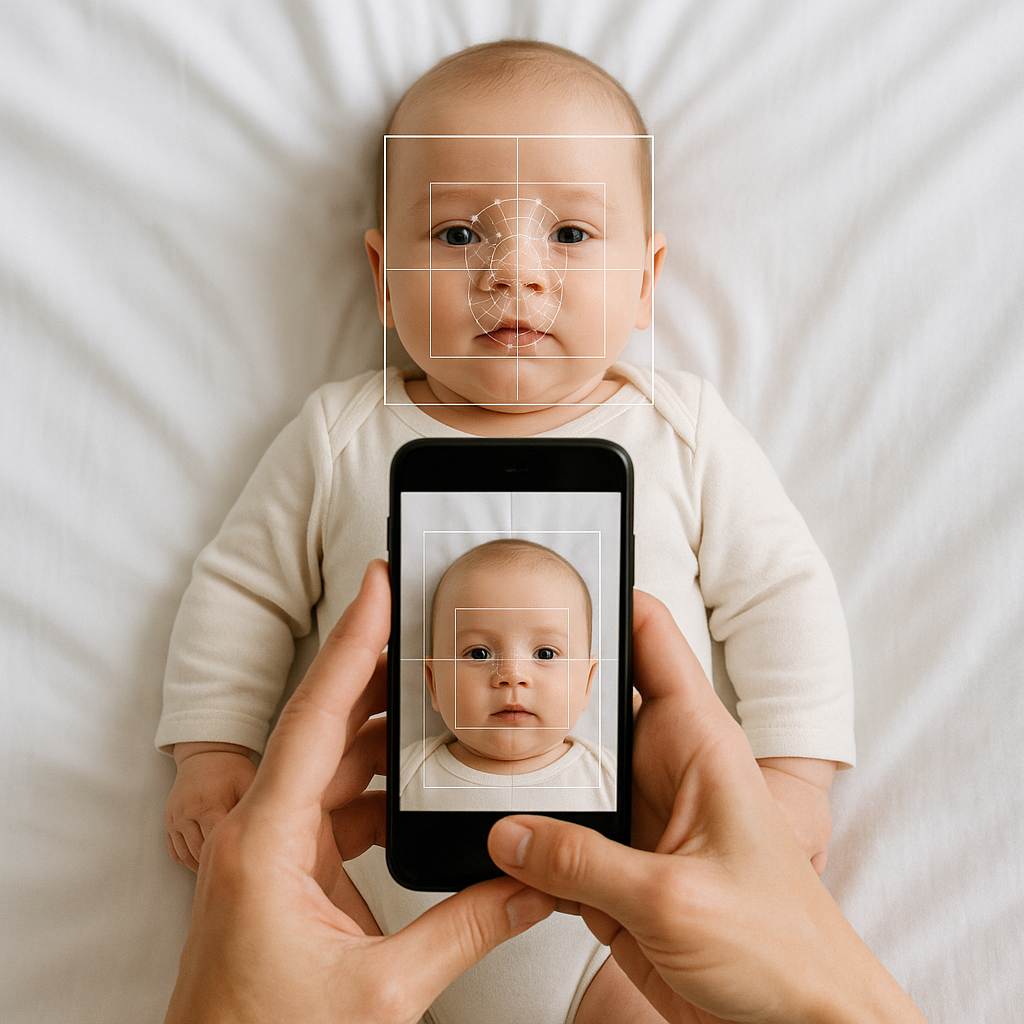
Applying for an infant travel document sounds simple. Take a picture. Submit the form. Wait for approval. Done, right? Not exactly. Behind that tiny, adorable face is a surprisingly strict set of rules - and the approval statistics prove it. Baby passport photo approval rate statistics reveal a truth many parents discover the hard way: infant pictures are rejected far more often than adult ones. Lighting issues. Head tilt. Background shadows. Closed eyes. The list goes on. If you ask most experienced parents, they’ll say the same thing - getting a newborn to cooperate with government photo regulations is like negotiating with a tiny, unpredictable CEO. Let’s break down what the numbers show, why rejection happens, and how families can dramatically increase their chances of first-time approval.
Understanding Baby Passport Photo Approval Rates
Government agencies rarely publish flashy headlines about photo rejection data, but industry estimates and travel service insights suggest that baby passport photo rejection rates can range between 15% and 30% depending on submission method. That’s significantly higher than adult applications. Why? Because adults can sit still, follow instructions, and keep their eyes open. Babies? Not so much. Here’s what commonly impacts approval rates:
- Head position not centered
- Eyes partially closed
- Pacifiers or hands visible
- Shadows on the background
- Incorrect photo size or crop
- Improper facial expression
Each of these may seem minor. Together, they create a statistical hurdle.
Why Infant Photos Get Rejected More Often
### 1. Movement Is the Enemy Adults can freeze for two seconds. Babies wiggle like it’s their full-time job. Even slight motion blur can lead to rejection. Passport systems use biometric analysis. That means facial features must be clearly defined. A blurry chin or softened eye outline? Denied. ### 2. Eyes Must Be Open For newborns, this rule feels almost cruel. Infants sleep. Constantly. While some countries allow slight flexibility for very young babies, many still require eyes to be open and visible. Closed lids are one of the top rejection triggers. ### 3. Background Precision A plain white or off-white background sounds easy. But shadows ruin everything. Lay a baby on a sheet, and natural folds create dark patches. Hold the infant upright, and your arm casts a shadow. The camera flash adds glare. Suddenly that “simple” backdrop fails compliance checks. ### 4. Head Position Requirements The head must be centered and straight. No tilt. No leaning. Imagine trying to explain posture rules to a three-month-old. Exactly.
Statistical Comparison - Professional vs DIY Photos
Here’s where things get interesting. Based on aggregated service data and consumer reports, applications using professional editing or passport-focused services show significantly higher acceptance rates. Estimated Approval Rate Comparison:
- DIY smartphone photo without validation - 70% to 85% approval
- Retail store passport photo services - 80% to 90% approval
- Specialized online passport photo services - 95%+ approval
That difference matters. A rejected application doesn’t just bruise the ego. It delays travel plans, adds stress, and sometimes requires reprinting fees. Services like BabyPassportMaker.com are designed specifically for infant passport photo compliance. They adjust lighting, correct background tones, align head positioning digitally, and verify sizing against official standards. It’s not magic. It’s precision.
Common Mistakes That Lower Approval Rates
Even attentive parents make small errors that dramatically reduce success odds. Here are the most frequent pitfalls:
Improper Cropping
Government guidelines specify exact head size proportions within the frame. Too zoomed in? Rejected. Too far away? Also rejected.
Visible Props
Hands supporting the baby’s neck. Blanket edges creeping into the frame. Pacifiers clipped to clothing. All disqualifying elements.
Uneven Lighting
Bright spot on one side of the face. Dark patch under the chin. Slight grey background instead of clean white. Small details. Big consequences.
The Psychology Behind Photo Rejection Frustration
Here’s a hot take: photo rejection feels disproportionally upsetting because it seems avoidable. Parents think, “It’s just a picture.” But passport systems are not judging cuteness. They are evaluating biometric compatibility. Facial recognition algorithms compare distances between eyes, nose width, chin alignment. It’s technical. The baby might look adorable. The software disagrees. That mismatch between human perception and machine validation explains why rejection feels so baffling.
How to Increase Baby Passport Photo Approval Rates
Let’s get practical. Families who follow structured preparation steps dramatically improve approval odds. ### Step 1 - Timing Is Everything Take the photo when the infant is calm and alert. Not hungry. Not sleepy. Not mid-cry. Mid-morning often works best. ### Step 2 - Use Natural Light Position near a window with indirect daylight. Avoid overhead lighting that casts shadows. Think soft, even illumination - like a cloudy afternoon. ### Step 3 - Lay the Baby Flat Place the child on a smooth white sheet on the floor. Stand directly above. Ensure no wrinkles create shadow lines. ### Step 4 - Remove Accessories No headbands. No hats. No clips. Even if they’re adorable. ### Step 5 - Double-Check Specifications Each country has slightly different requirements for:
- Photo dimensions
- Head size ratio
- Background shade
- Eye visibility rules
Assuming all standards are identical is risky.
Digital Verification Changes the Game
Technology has improved approval rates significantly. Online validation tools now scan:
- Head tilt angle
- Eye alignment
- Contrast levels
- Background uniformity
- Biometric spacing
That means families no longer rely solely on visual guesswork. Specialized services such as BabyPassportMaker.com analyze submissions against official compliance markers before printing. This pre-check reduces rejection risk dramatically. It’s the difference between hoping and knowing.
Are Approval Rates Improving?
Yes - gradually. As more parents use guided tools and compliance-focused platforms, first-time acceptance percentages are trending upward. Digital submission systems also provide clearer instructions than older paper-based methods. However, infant applications still show higher correction requests compared to adult ones. Why? Because babies remain unpredictable. No algorithm can fully account for a sudden wiggle.
The Cost of Rejection
Let’s talk impact. When a baby passport photo gets rejected, families face:
- Processing delays of several weeks
- Missed travel windows
- Additional printing expenses
- Resubmission paperwork
- Emotional stress before trips
For international family emergencies or time-sensitive travel, delays aren’t just inconvenient - they’re disruptive. That’s why approval rate statistics matter. They’re not abstract percentages. They reflect real-world consequences.
What the Data Really Says
Looking at aggregated industry insights, three conclusions stand out:
- Infant passport photo rejection is common but preventable
- Professional compliance tools significantly increase acceptance
- Preparation reduces delays more than speed ever will
Honestly, the biggest mistake isn’t taking a bad photo. It’s assuming standards are flexible. They aren’t. Government image systems operate like strict gatekeepers. They don’t care how difficult the shoot was. They only evaluate measurable criteria.
Final Thoughts on Baby Passport Photo Success Rates
Baby passport photo approval rate statistics highlight something important: precision beats improvisation. Parents juggling feedings, nap schedules, and packing lists often treat the photo as a quick checklist item. But data suggests it deserves more attention. Higher acceptance rates come from:
- Careful lighting setup
- Accurate sizing
- Compliance verification tools
- Patience during capture
Think of the passport image as a biometric key. If the grooves are even slightly off, the lock won’t turn. Simple analogy. Real consequence. The good news? With modern tools and awareness of approval statistics, families can stack the odds heavily in their favor. Because when travel plans are on the horizon, the last thing anyone wants is a rejected photo slowing everything down. Preparation may not sound exciting. But in this case, it’s powerful. And for parents navigating infant travel documentation, power means peace of mind.