Baby Passport Photo for Digital Nomad Visas
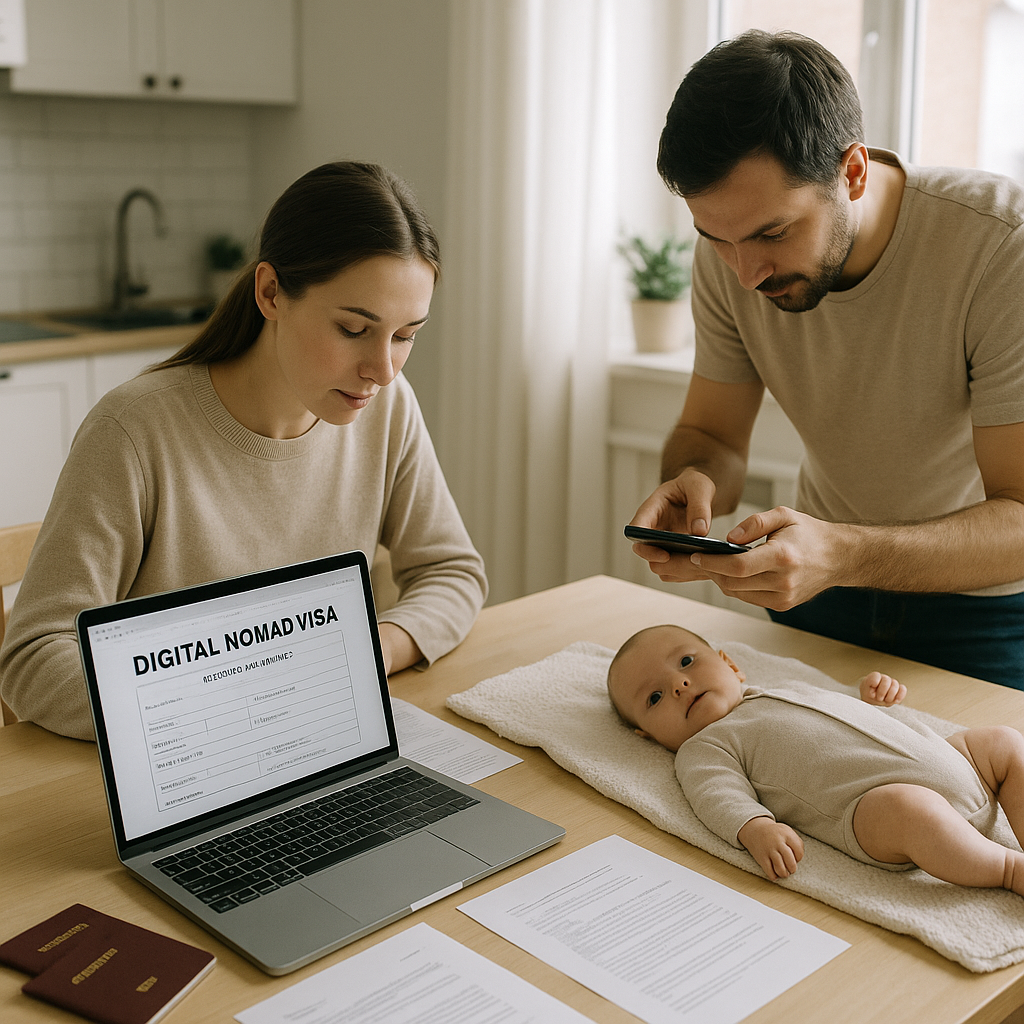
Travel used to mean packing a suitcase and grabbing a boarding pass. Now? It often means remote contracts, long-stay permits, and digital nomad visas stamped into passports that barely have time to cool down. Families are joining the movement, laptops in one bag, baby bottles in another. And somewhere between booking flights and securing health insurance, one small but surprisingly stressful task pops up - the baby passport photo.
Sounds simple, right? It isn’t. Especially when digital nomad visas require strict biometric standards. A newborn doesn’t exactly follow instructions like, "Sit still. Look straight. Neutral expression."
This guide breaks down everything parents need to know about getting a baby passport photo for digital nomad visas - without the headaches, without the guesswork, and without retakes that eat into travel timelines.
Why Digital Nomad Visas Require a Baby Passport Photo
Digital nomad visas are not tourist visas. They’re official residency permits in many countries. Portugal, Spain, Estonia, Costa Rica - these governments want proper documentation for every applicant, including infants.
That means:
- A valid passport
- Correct biometric passport photos
- Compliance with country-specific size and background rules
A baby’s passport photo is not a cute keepsake. It’s a legal document. Immigration officers use it for identification. Border systems scan it. Facial recognition tools analyze it.
In other words, it has to be right.
What Makes a Baby Passport Photo So Tricky?
Adults can follow directions. Babies? Not so much.
They wiggle. They blink. They frown. They fall asleep at the exact wrong moment. Getting a compliant image can feel like trying to photograph a hummingbird mid-flight.
Common Challenges Parents Face
- Neutral expression requirement - No big smiles. No tears.
- Eyes open and visible - Even for newborns.
- Plain white background - No shadows.
- No visible hands - Including parents holding the baby.
- Correct head positioning - Centered and straight.
Honestly, expecting a three-month-old to cooperate feels optimistic at best.
Passport Photo Requirements for Digital Nomad Visa Applications
Every country sets its own specifications. Still, most follow standard biometric rules.
Typical Photo Specifications
- Size - Often 35mm x 45mm or 2x2 inches
- White or light neutral background
- High resolution
- No shadows or glare
- Full face visible
- No pacifiers, toys, or props
Here’s the part people forget: digital nomad visa applications are often submitted online. That means you also need a digital passport photo file that meets upload size limits.
Too large? Rejected. Too small? Rejected. Cropped incorrectly? Rejected.
It’s like threading a needle in the dark - possible, but unnecessarily frustrating without the right tools.
DIY Baby Passport Photos - Is It Worth It?
Some parents try the DIY route. Lay the baby on a white sheet. Use a smartphone. Snap fifty photos. Hope one works.
Sometimes it does.
But often?
Lighting creates shadows. The sheet wrinkles. The baby turns their head. The cropping ends up slightly off. And immigration authorities don’t grade on effort.
Here’s a hot take - time matters more than saving a few dollars. When digital nomad visas come with processing windows and relocation deadlines, delays cost more than convenience ever will.
Why Online Services Simplify the Process
Professional digital services exist for a reason. They remove the technical guesswork.
One example is BabyPassportMaker.com. Platforms like this allow parents to upload a baby’s photo and receive a properly formatted, compliant image tailored to specific country requirements.
No studio appointments. No dragging a sleepy infant across town. No waiting in line.
Instead:
- Upload from home
- Background correction
- Precise biometric cropping
- Country-specific sizing
- Digital file ready for visa upload
It’s the difference between cooking a complex meal from scratch and using a well-tested recipe kit. Both get you dinner. One is just… easier.
Step-by-Step - How to Take a Baby Passport Photo at Home
For families who prefer the DIY approach before professional editing, there is a smarter way to do it.
1. Choose the Right Time
Pick a moment when the baby is calm and alert. After feeding works well. Avoid nap transitions.
2. Use Natural Light
Place the baby near a window. Indirect daylight works best. Avoid harsh overhead lighting.
3. Create a Clean Background
A smooth white blanket laid flat on the floor works better than hanging fabric behind them. Lay the baby down and shoot from above.
4. Keep the Face Clear
No hats. No bows. No pacifiers. Make sure hair isn’t covering the eyes.
5. Take Multiple Shots
Don’t settle for one image. Take twenty. Or thirty. Small movements change everything.
After that, professional formatting ensures compliance for digital nomad visa applications.
Country-Specific Differences Matter
Not all digital nomad visa programs follow identical standards. Spain may require slightly different dimensions than Estonia. Costa Rica might enforce strict head size percentages. Portugal may specify file size limits for uploads.
Overlooking these details leads to rejections.
And rejections slow down:
- Visa approvals
- Residency permits
- Travel plans
- Family relocation timelines
When a family is coordinating housing, schooling research, remote work contracts, and international health insurance, the last thing they need is a rejected baby passport photo.
Digital Nomad Families - Planning Ahead
Digital nomad life with children isn’t chaotic - it’s strategic. Successful families plan months in advance.
That includes:
- Checking passport expiration dates
- Confirming visa eligibility requirements
- Preparing compliant passport photos for every family member
- Securing digital copies for online portals
Skipping photo preparation until the last minute creates unnecessary stress. Immigration systems don’t bend because a baby had a bad photo day.
What Happens If the Photo Gets Rejected?
Rejection isn’t rare. It happens more often than people admit.
When that occurs, authorities usually request a new submission. That can delay applications by weeks. In competitive digital nomad visa programs, processing slots may even shift.
Is that risk worth saving time on proper formatting?
Probably not.
Benefits of Getting It Right the First Time
A compliant baby passport photo does more than satisfy paperwork.
- Speeds up digital nomad visa processing
- Reduces application stress
- Prevents costly travel rescheduling
- Ensures smooth border entry
It’s a small detail with outsized impact. Like a tiny screw holding together a much larger machine. Ignore it, and the whole system rattles.
Final Thoughts on Baby Passport Photos for Digital Nomad Visas
The remote work revolution isn’t slowing down. Families are building lives across continents. Babies are getting passports before they can walk. That’s modern mobility.
But mobility runs on documentation. On precision. On meeting requirements exactly as written.
A baby passport photo for digital nomad visas may seem minor compared to international relocation logistics. It isn’t. It’s foundational.
Handled correctly, it becomes a simple checkbox on a long preparation list.
Handled casually, it becomes a bottleneck.
Parents who approach the process with clarity - using proper lighting, understanding biometric rules, and leveraging tools like BabyPassportMaker.com when needed - set themselves up for smoother approvals.
And smoother approvals mean something bigger: fewer delays, less stress, and more time focusing on what truly matters - building a global life that works for the whole family.
Because at the end of the day, digital nomad living with a baby isn’t about paperwork.
It’s about freedom. With the right photo in hand, that freedom starts one step closer.