Baby Passport Photo for Liber-t and Bip Tag
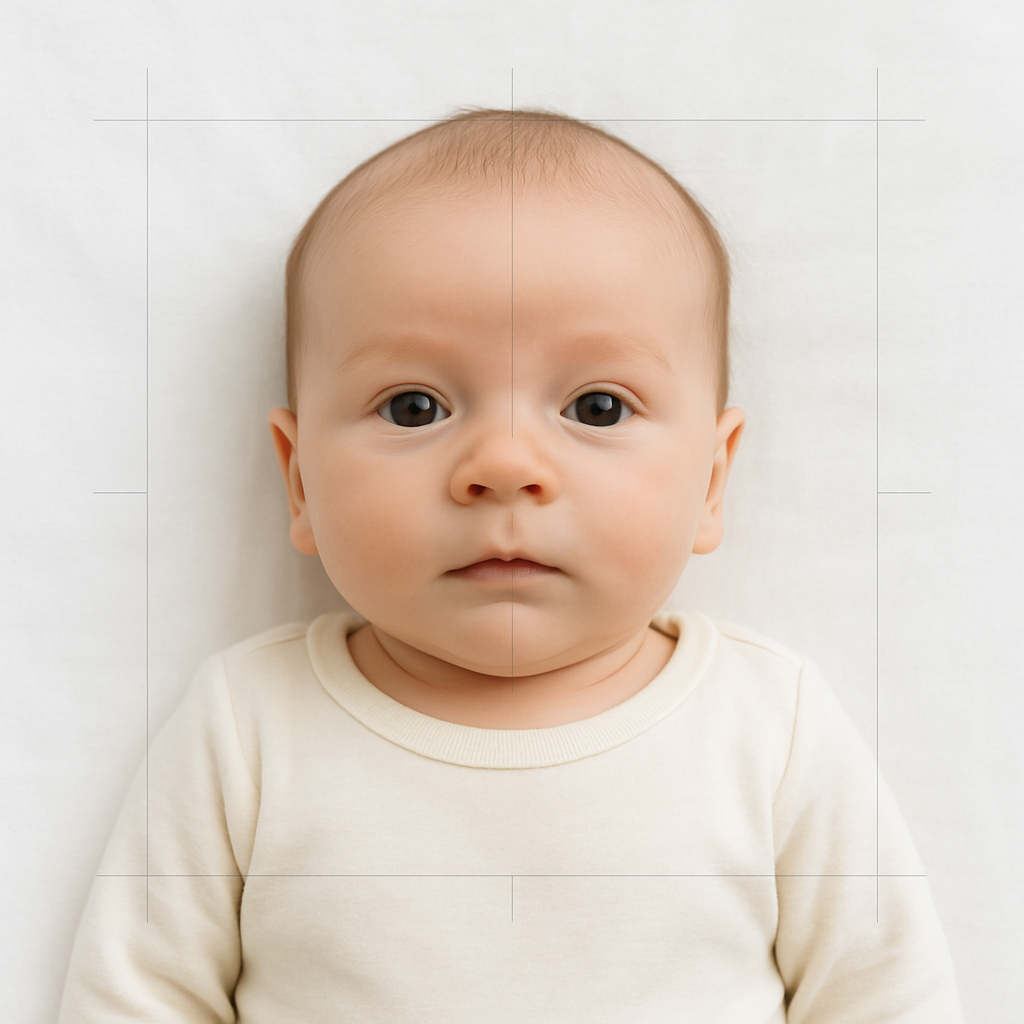
Traveling with a baby sounds adorable in theory. Tiny socks. Mini suitcases. That irresistible yawn mid-flight. But then reality taps you on the shoulder and whispers, “Did you sort out the paperwork?” And suddenly, the most innocent task becomes the most stressful one - getting the right baby passport photo for Liber-t and Bip Tag. If you ask seasoned parents, they’ll tell you this: the photo matters more than you think. Not just any cute snapshot will do. ## Why the Right Baby Passport Photo Actually Matters Here’s the thing. Government systems don’t care how photogenic a baby is. They care about compliance. Specific dimensions. Background rules. Facial positioning. Lighting. Miss one tiny requirement? Rejected. And no one wants to reschedule travel plans because a baby blinked at the wrong moment. A passport image for Liber-t and Bip Tag documentation needs to meet strict biometric standards. That means: - Neutral expression - Eyes open and visible - Plain white or light background - No shadows - No props, toys, pacifiers, or hands in the frame Sounds simple, right? Now imagine explaining “neutral expression” to a six-month-old. Exactly. ## What Is Liber-t and Bip Tag Documentation? Parents often get confused about this part. Liber-t and Bip Tag requirements usually apply to official identification processes tied to travel and residency. Each system has its own formatting expectations for biometric verification. In plain English? The image must be machine-readable. That means: 1. Proper head size ratio within the frame 2. Clear visibility of facial features 3. Even lighting without glare 4. High-resolution output It’s not about aesthetics. It’s about technical precision. And babies are... not known for holding still. ## The Biggest Mistakes Parents Make Honestly, this is where things go sideways. People assume they can take a quick photo on the couch. Or worse - crop a cute selfie. Here’s what commonly goes wrong: ### 1. Incorrect Background Cream walls aren’t white. Patterns are not allowed. Blankets often create shadows. Even slight texture can cause rejection. ### 2. Visible Hands Someone usually holds the baby upright. A thumb sneaks into the corner. Application denied. ### 3. Poor Lighting Overhead lights create shadows under the chin. Flash creates red-eye. Natural light works - but only if evenly distributed. ### 4. Wrong Dimensions Cropping too tightly or leaving too much space above the head changes the biometric ratio. It feels minor. It isn’t. ## Why DIY Isn’t Always the Best Idea Here’s a hot take: saving a few dollars on baby passport photos can cost more in delays and stress. Parents already juggle feeding schedules, naps, packing lists, vaccination records. Adding technical photo compliance into that mix? That’s a lot. Think of it like baking a cake without measuring ingredients. You might get lucky. Or you might get something... interesting. A compliant image requires precision. Exact pixel dimensions. Correct resolution. Proper framing. That’s where services like BabyPassportMaker.com come in. They specialize in creating compliant baby passport photos tailored to Liber-t and Bip Tag standards. And they understand something crucial - babies don’t pose on command. ## What Makes a Baby Passport Photo Compliant? Let’s break it down clearly. A valid baby passport photo must include: - Full head visible - Face centered - Eyes open (as much as possible for infants) - Mouth closed - No visible support objects - Correct image size and resolution For Liber-t and Bip Tag, biometric alignment plays a major role. Facial recognition systems analyze spacing between features. It’s surprisingly technical. Almost like fitting a puzzle piece into a digital lock. ### Lighting Tips That Actually Work Parents attempting their own shot should remember: - Use natural daylight near a window - Avoid direct sunlight - Lay baby on a white sheet if necessary - Shoot from directly above - Keep the camera level Even then, editing for correct proportions is often required. And that’s where things get tricky. ## The Emotional Side Nobody Talks About There’s something oddly stressful about photographing a baby for official documentation. The pressure. The ticking clock. The fear of rejection. Parents often feel like they have one chance to get it right before nap time meltdown mode activates. And when the application comes back rejected? It feels personal. It’s not - but it feels that way. That’s why professional assistance makes sense. Not because parents aren’t capable. Because their energy is better spent elsewhere. ## Benefits of Using a Specialized Service Choosing a dedicated platform like BabyPassportMaker.com offers several advantages: ### Accuracy They understand Liber-t and Bip Tag formatting requirements. ### Convenience Upload a photo from home. Adjustments handled professionally. ### Speed Fast turnaround means fewer delays. ### Compliance Guarantee Reduced risk of rejection. In other words - less guesswork. And peace of mind? Priceless. ## How to Prepare Your Baby for the Photo Preparation helps. A lot. Here’s what works best: 1. Schedule the photo after feeding 2. Ensure baby is rested 3. Dress in simple clothing without patterns 4. Avoid white outfits that blend into background 5. Remove headbands or accessories Keep the environment calm. Soft voices. Minimal distractions. Timing is everything. A calm baby equals a usable image. Usually. ## Understanding Biometric Photo Standards Let’s get slightly technical - but not boring. Biometric standards measure facial proportions. The distance from chin to crown. The placement of eyes. The symmetry of features. For adults, this is straightforward. For infants? It’s like photographing a tiny, wiggly cloud. Systems require clarity so automated software can identify the subject during border checks. That means no blurriness. No tilt. No heavy shadows. Precision matters. ## Why Compliance Saves Time and Money Rejections delay processing. Delays disrupt travel. Resubmissions cost time. Time equals stress. It’s a domino effect. Ensuring the baby passport photo for Liber-t and Bip Tag meets standards the first time prevents unnecessary complications. And honestly, no parent wants paperwork drama before a trip. ## Common Questions Parents Ask ### Can my baby smile? Mild expressions are acceptable, but a neutral face is safest. ### What if my baby can’t hold their head up? They can lie flat on a white surface. Just ensure no shadows or visible support. ### Can I edit the photo myself? Basic cropping is possible, but altering lighting or facial proportions improperly can lead to rejection. ### How recent must the photo be? Typically taken within the last six months. Babies change quickly - authorities expect an accurate likeness. ## Final Thoughts on Getting It Right Getting a baby passport photo for Liber-t and Bip Tag isn’t glamorous. It’s not the cute part of travel planning. But it’s essential. When done correctly, it becomes one less thing to worry about. And that’s the real goal, isn’t it? Smooth processing. Stress-free approval. Boarding the plane without bureaucratic surprises. Parents already handle enough moving pieces. Outsourcing technical precision to specialists like BabyPassportMaker.com simply makes sense. Because at the end of the day, travel memories should start with excitement - not document rejection emails. And that’s a detail worth getting right.