Baby Passport Photo for Toll Collect and Eurovignette
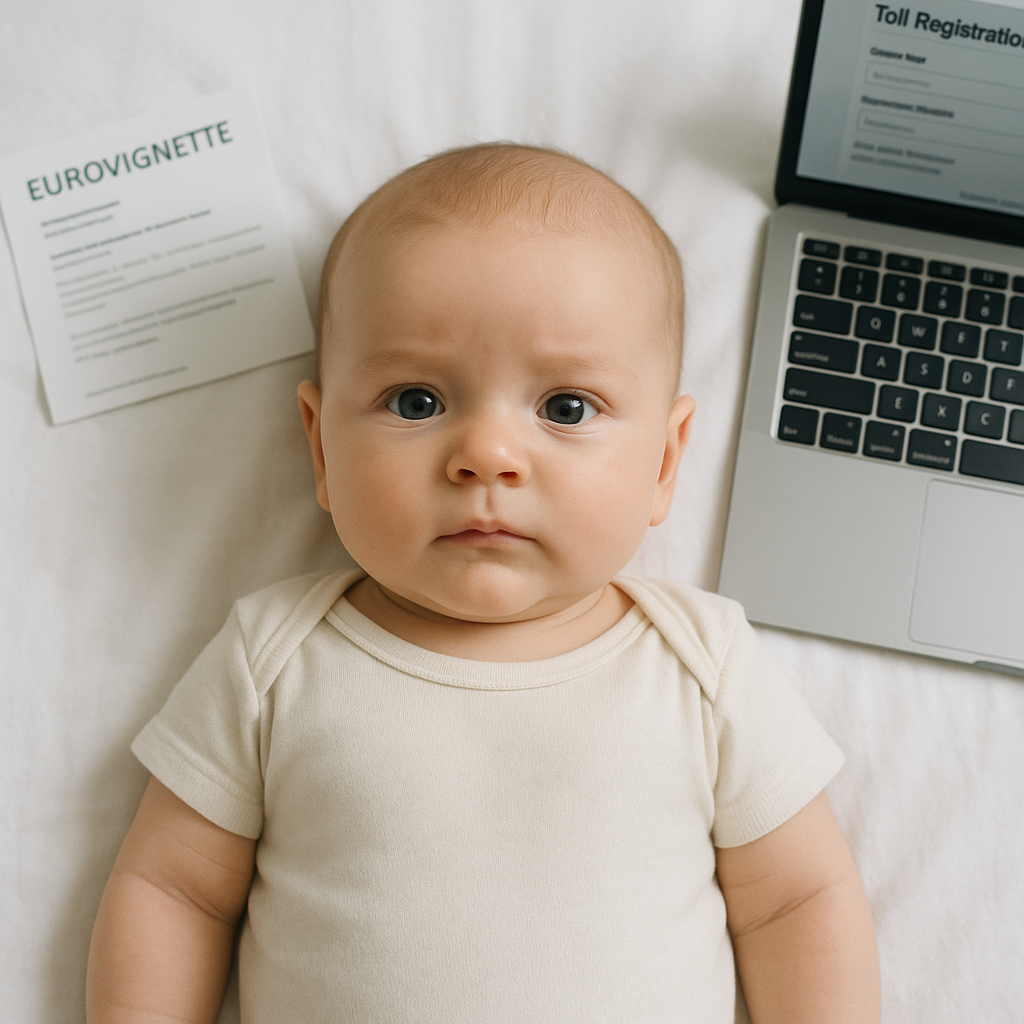
Let’s be honest - dealing with toll systems and road taxes across Europe is nobody’s idea of fun. Add a baby into the mix, and suddenly something as simple as a photo requirement can feel like a bureaucratic obstacle course. But here’s the thing: getting a baby passport photo for Toll Collect or Eurovignette doesn’t have to be complicated. It just needs to be done right.
This guide walks through what parents and fleet operators actually need to know, without the fluff. Clear rules. Practical advice. And yes, a few opinions along the way.
Why Would a Baby Need a Passport Photo for Toll Systems?
Sounds strange at first, right? A baby. Toll systems. Eurovignette.
Here’s the deal. In certain registration processes - especially for international travel documentation, transport permits, or vehicle-related documentation linked to families relocating - official ID photos may be required. Some administrative systems tied to Toll Collect registration or Eurovignette documentation require identity verification. And if a child is listed or documented, that means a compliant biometric photo.
It’s not about the toll booth operator checking your infant’s face. It’s about paperwork. Databases. Cross-border compliance. Europe loves its documentation.
If you ask seasoned logistics coordinators, they’ll tell you - paperwork errors cause delays, not highways.
Understanding Toll Collect and Eurovignette Requirements
What Is Toll Collect?
Toll Collect is Germany’s electronic toll system for heavy goods vehicles. It manages truck tolls on highways and certain federal roads. Companies registering vehicles often need precise documentation.
What Is the Eurovignette?
The Eurovignette is a road user charge applied in several European countries for heavy-duty vehicles. It simplifies cross-border travel by allowing operators to pay a unified fee.
Both systems are strict about documentation accuracy. If identity confirmation is required, the image must meet official biometric standards.
What Makes a Baby Passport Photo Acceptable?
This is where things get tricky.
Babies don’t sit still. They don’t follow instructions. They definitely don’t understand “neutral expression, please.” Yet the rules stay the same.
A compliant baby passport photo typically requires:
- Plain, light-colored background
- No shadows
- Face fully visible
- Eyes open (yes, even for newborns - when possible)
- No pacifiers, toys, or visible hands
- Correct head positioning
- Proper image dimensions and resolution
Miss one detail? Rejection. And rejections waste time.
Honestly, many parents underestimate how precise biometric standards are. It’s not a cute snapshot. It’s a technical requirement.
The Biggest Mistakes Parents Make
Over the years, certain patterns keep popping up.
1. Using Casual Smartphone Photos
Smartphones are powerful. No question. But lighting, angle, and background consistency matter more than camera megapixels. A slightly tilted head or soft shadow can make the image invalid.
2. Ignoring Background Requirements
That cozy beige couch? Not acceptable. Patterned blankets? Definitely not. The background must be uniform and distraction-free.
3. Submitting Cropped Images
Cropping after the fact often changes proportions. Biometric templates require specific spacing between the head and frame edges.
4. Visible Support Hands
Parents often hold the baby upright. Understandable. But if fingers appear in the shot, authorities will reject it. The image must show only the child.
It’s a bit like baking. Skip one measurement, and the whole recipe collapses.
Why Precision Matters for Toll Collect and Eurovignette Applications
Here’s the bigger picture.
Transport systems rely on digital processing. Applications get scanned, verified, and sometimes matched against databases. If a baby’s identification photo doesn’t meet biometric standards, the system flags it.
And flagged documentation slows everything down.
For logistics companies managing vehicle registration, international documentation, and compliance timelines, delays can ripple outward. Missed deadlines. Extra admin hours. Frustration.
One rejected file can stall a larger process. It’s like a single missing puzzle piece - tiny but disruptive.
The Easier Way to Get a Baby Passport Photo
Here’s a practical solution many parents and operators now prefer: using a specialized online service built for biometric compliance.
BabyPassportMaker.com focuses specifically on baby passport photo requirements. Instead of guessing about spacing, lighting, or alignment, the system adjusts the image to meet official standards.
What makes this approach appealing?
- No studio appointments.
- No struggling under fluorescent lights.
- No waiting rooms.
- Digital verification before submission.
Parents can take a photo at home - safely and comfortably - then let the platform optimize it according to biometric rules. Simple.
Is it foolproof? Nothing in bureaucracy is truly foolproof. But it dramatically reduces rejection risk.
Tips for Taking a Compliant Baby Photo at Home
If choosing the DIY route, preparation makes all the difference.
Lighting Is Everything
Natural daylight works best. Place the baby near a window but avoid direct sunlight. Harsh beams create shadows under the nose and chin.
Use a Plain Background
A white sheet laid flat works surprisingly well. Make sure there are no wrinkles casting shadows.
Keep the Head Straight
This is harder than it sounds. Lay infants on their back and shoot from above. Ensure the camera lens stays parallel to the face.
Watch the Expression
No wide-open laughing shots. No crying fits. A calm, neutral expression works best.
Sounds simple, right? In practice, timing is everything. Capture the shot between wiggles.
Common Questions About Baby Passport Photos for Road Tax Systems
Does the Baby Need to Look Directly at the Camera?
Yes. Eyes should be open and facing forward whenever possible. For very young infants, slight deviation may be accepted, but direct gaze is ideal.
Can the Baby Wear Headwear?
Generally no. Unless required for medical reasons, the head must be uncovered.
Are Smiles Allowed?
Mild expressions are acceptable, but exaggerated grins or open mouths can cause issues.
What Size Should the Photo Be?
That depends on the specific documentation standard being followed. Many European systems align with ICAO biometric passport guidelines.
Why Professional Accuracy Saves Time
Some people assume professional tools are overkill for something involving a baby. Here’s a hot take - they’re not.
Administrative systems don’t care how cute the photo looks. They care about millimeters. Head height ratios. Background uniformity.
Think of it like airport security scanners. They don’t guess. They measure.
Using a dedicated platform like BabyPassportMaker.com removes the guesswork. It transforms a normal image into a standards-compliant biometric photo formatted for official submission.
For families dealing with cross-border registration or fleet operators managing Toll Collect and Eurovignette compliance, efficiency matters.
Final Thoughts on Getting It Right the First Time
European road systems are structured, regulated, and precise. Whether registering vehicles, applying for documentation, or handling identity requirements connected to toll programs, details matter.
A baby passport photo might seem like a minor checkbox in a long administrative list. But small oversights can trigger delays that ripple outward.
So approach it practically.
- Follow biometric standards carefully.
- Use proper lighting and background.
- Double-check alignment and proportions.
- Consider tools designed specifically for infant passport images.
Paperwork moves faster when everything fits the template. And when documentation flows smoothly, families and transport operators can focus on what actually matters - the journey ahead.
Because at the end of the day, toll roads are meant for movement. Not for administrative roadblocks.