Baby Passport Photo Regulations for the EU
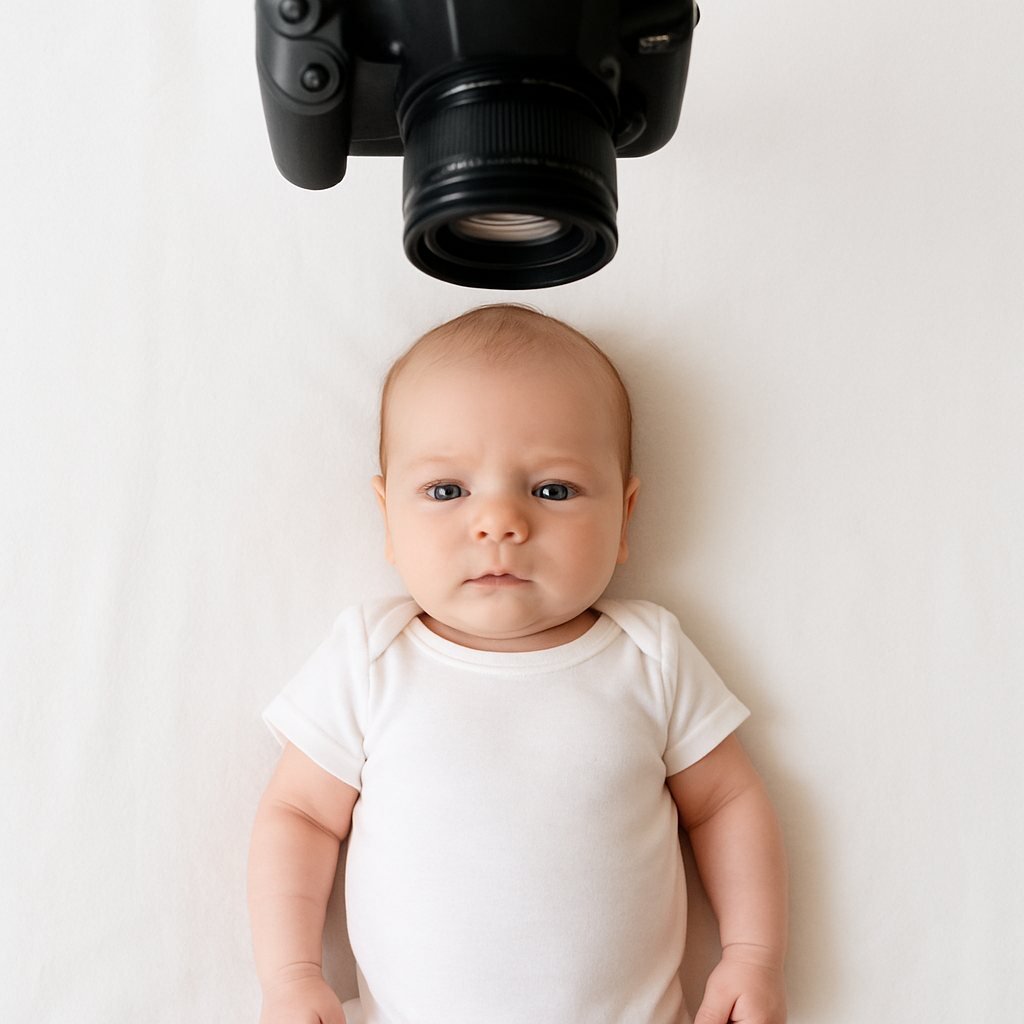
Traveling across Europe with a baby sounds romantic in theory - cobblestone streets, sleepy cafés, stroller naps under centuries-old cathedrals. In reality? It starts with paperwork. And right at the top of that list sits one surprisingly tricky detail: the baby passport photo. Sounds simple, right? It’s not. EU baby passport photo regulations are specific. Precise. Occasionally frustrating. And if parents get them wrong, applications get delayed. Flights get rescheduled. Stress levels spike. This guide breaks it all down clearly - no legal jargon, no robotic explanations. Just practical insight into what actually matters when preparing a baby passport photo for the EU.
Why Baby Passport Photos Are Taken So Seriously
Biometric security standards across the European Union are strict for a reason. Border control systems rely on facial recognition technology. That means even newborn photos must meet measurable criteria. And yes, even if the baby is two weeks old and can’t hold their head up. The EU follows ICAO - International Civil Aviation Organization - standards. These guidelines ensure that passport photos are machine-readable and globally consistent. Think of it like a universal language for identity verification. If one tiny detail is off, the "language" becomes harder for machines to interpret. Here’s the thing - babies don’t cooperate like adults. They wiggle. They blink. They frown for no reason. So while the rules are standardized, enforcement sometimes allows small flexibility for infants. But only small.
Official EU Baby Passport Photo Requirements
Let’s get practical. The general requirements for baby passport photos across EU countries include:
1. Photo Size and Dimensions
Most EU countries require:
- 35mm x 45mm photo size
- Head height between 32mm and 36mm
- Face centered and clearly visible
Some member states may have slight variations, so always double-check with the specific embassy or authority.
2. Background
The background must be:
- Plain white or very light grey
- Free of shadows
- No patterns or textures
No cute nursery wallpaper. No blankets with prints. No car seats visible in the frame. Plain means plain.
3. Facial Expression
This is where things get interesting. Babies:
- Can have a neutral expression
- May have their mouth slightly open
- Should not be crying
Eyes ideally should be open. For newborns, some countries allow slight leniency if eyes are partially open - but don’t assume that’s acceptable everywhere.
4. Head Position
The baby’s head must:
- Face directly toward the camera
- Not tilt left or right
- Not tilt forward or backward
Easier said than done, especially when the subject cannot support their own neck.
5. No Visible Support
Parents often overlook this. Hands holding the baby? Not allowed. White cloth supporting from behind? It must not be visible. Shadows of arms? Also not acceptable. The final image must look like the baby is sitting independently - even if they absolutely are not.
Common Mistakes That Cause Rejection
If you ask me, this is the section most parents should read twice. Here are the most frequent reasons EU baby passport photos get rejected:
- Shadows on the background
- Red-eye effect
- Baby looking off-camera
- Visible pacifier
- Incorrect head size ratio
- Overexposed or underexposed lighting
- Wrinkled backdrop
One small flaw can delay the entire application. Think of it like baking - if the measurements are off, the cake collapses. Precision matters.
How to Take a Baby Passport Photo at Home
Professional studios work well. But not every parent wants to pack up a newborn for a photo appointment. Fortunately, at-home options exist - if done correctly. Here’s a practical approach:
Step 1 - Create the Right Setup
Lay a plain white sheet flat on the floor. Natural daylight works best - near a window, but not in direct sunlight. Avoid overhead lights that cast shadows. Place the baby on their back. Stand directly above them with the camera. Simple. Controlled. Effective.
Step 2 - Keep the Baby Calm
Timing is everything. After feeding? Good. Before nap? Risky. During a meltdown? Absolutely not. Calm babies equal usable photos.
Step 3 - Take Multiple Shots
Don’t rely on one photo. Take 20. Maybe 30. Subtle differences in eye direction or facial alignment can make one image compliant while another fails.
Step 4 - Check Technical Requirements
This is where many DIY attempts fall short. Cropping, sizing, and background cleaning must match official EU biometric standards. That’s why services like BabyPassportMaker.com exist. They adjust photos to meet EU passport photo regulations precisely - including proper dimensions and background correction. It removes the guesswork. And honestly, removing guesswork when traveling with a baby is a gift.
Country-Specific Differences Within the EU
While EU nations follow shared biometric standards, subtle differences still appear. For example:
- Germany is extremely strict about eye visibility
- France enforces precise head size ratios
- Italy may reject photos with even mild shadowing
- Spain emphasizes natural skin tones without digital over-editing
Have you ever noticed how every country has its own personality? Passport photo enforcement feels similar. Always check the specific country’s official immigration website before submitting.
Special Considerations for Newborn Passport Photos
Newborns under three months present unique challenges. They cannot hold their heads steady. They often keep eyes closed. Their facial features are still developing. EU authorities understand this. Some flexibility exists for:
- Slight head tilt
- Minimal eye opening
- Subtle facial asymmetry
But flexibility does not mean randomness. Photos still must be clear, sharp, and properly lit. No filters. No smoothing. No heavy editing. Think documentary - not Instagram.
Lighting Tips for the Perfect Baby Passport Photo
Lighting can make or break compliance. Too dark? Rejected. Too bright? Rejected. Shadow behind ears? Rejected. Natural indirect daylight works best. Position the baby so light falls evenly across the face. Avoid ceiling lights that create harsh downward shadows. If artificial lighting is necessary:
- Use two soft light sources
- Position them at equal angles
- Avoid direct flash
The goal is balanced illumination - like a cloudy day outdoors.
Digital vs Printed Baby Passport Photos
Some EU countries allow digital submission. Others require printed copies. Printed photos must:
- Be high-resolution
- Be printed on quality photo paper
- Have no creases or damage
Digital files must:
- Meet specific pixel dimensions
- Stay within file size limits
- Be in approved formats like JPEG
Again - check the exact embassy instructions.
How Long Is a Baby Passport Valid in the EU?
This surprises many parents. Baby passports typically have shorter validity periods than adult passports. In many EU countries, children’s passports last five years or less. Why? Because babies grow fast. Facial recognition becomes less reliable as features change. The system prioritizes accuracy. It’s inconvenient, yes. But understandable.
Final Thoughts on EU Baby Passport Photo Regulations
Getting a compliant baby passport photo is not about perfection. It’s about precision. Small details matter. Background consistency. Head positioning. Lighting balance. Correct sizing. It may feel excessive for a tiny human who can’t even sit upright yet. But these standards protect international travel systems and ensure smooth border crossings. Parents who approach the process calmly - and use proper tools or professional adjustment services - usually avoid setbacks. Because at the end of the day, the passport photo is just the first step. The real goal? Boarding that plane with everything approved. No last-minute surprises. No rejected applications. Just a stamped passport. And a baby ready for their first European adventure. Preparation makes all the difference. Even for the tiniest traveler.