Baby Passport Photo Requirements Netherlands 2026
Getting a passport photo for a baby sounds easy. Just snap a cute picture, right? Not even close. The baby passport photo requirements Netherlands 2026 are surprisingly strict. And yes, even tiny humans who can’t sit up, can’t focus, and definitely can’t follow instructions are expected to meet official biometric standards. Sounds unfair? Maybe. But that’s the system. Parents often underestimate how precise Dutch passport rules can be. Lighting. Head position. Background color. Even the baby’s expression matters. Miss one detail and the application gets rejected. Which means delays. Extra fees. More stress. Let’s break it all down clearly - without legal jargon - so you can get it right the first time.
Why Baby Passport Photos Are Taken So Seriously
The Netherlands follows strict European Union biometric standards. These rules exist for one reason: security. A passport photo isn’t just a picture. It’s a machine-readable identity marker. Border control systems scan facial proportions, eye spacing, head size, and contrast levels. Even for infants. Does that feel excessive for a six-month-old? Maybe. But consistency is everything in official documentation. So when it comes to Dutch baby passport photos, precision beats cuteness.
Official Baby Passport Photo Requirements Netherlands 2026
Let’s get specific. Here’s what the Dutch authorities require for infant passport photos in 2026.
1. Photo Size and Dimensions
- Size must be 35mm x 45mm - Head height must measure between 26mm and 30mm - The face must occupy 70 to 80 percent of the image - The photo must be in color No filters. No cropping mistakes. No creative framing.
2. Background Rules
The background must be: - Plain white or light grey - Evenly lit - Free of shadows - Without texture or patterns A wrinkled bedsheet? Risky. A wall with subtle texture? Also risky. Dutch authorities prefer clean, flat backgrounds with zero distractions.
3. Baby’s Position and Posture
Here’s where things get tricky. The baby must: - Face the camera directly - Keep their head centered - Not tilt left or right - Have eyes visible and open For newborns, slight head support is allowed. However - and this is important - no hands can be visible in the final photo. That means no parent fingers holding the head from behind. Photographers often use a white sheet over a car seat or lay the baby flat on a neutral blanket. It works, but precision matters.
4. Facial Expression
This surprises many parents. The baby must have: - A neutral expression - Mouth closed - No exaggerated smile - No crying A tiny relaxed smile is usually acceptable. A wide grin showing gums? Not ideal. Crying photos are rejected almost every time.
5. Eyes and Visibility
Eyes must be: - Fully visible - Not covered by hair - Not reflecting light If the baby wears glasses - which is rare but possible - they must not cause glare. Tinted lenses are not allowed. Pacifiers? Absolutely not.
Common Reasons Baby Passport Photos Get Rejected
Here’s where many applications go sideways. The most frequent mistakes include: 1. Shadows behind the head 2. Parent hands visible in corners 3. Baby looking slightly off-center 4. Open mouth during crying 5. Head size outside official measurement range 6. Background not bright enough 7. Low resolution or blurry image Rejections mean resubmitting photos. And that delays passport processing time in the Netherlands. Not ideal when travel plans are already booked.
Can You Take a Baby Passport Photo at Home?
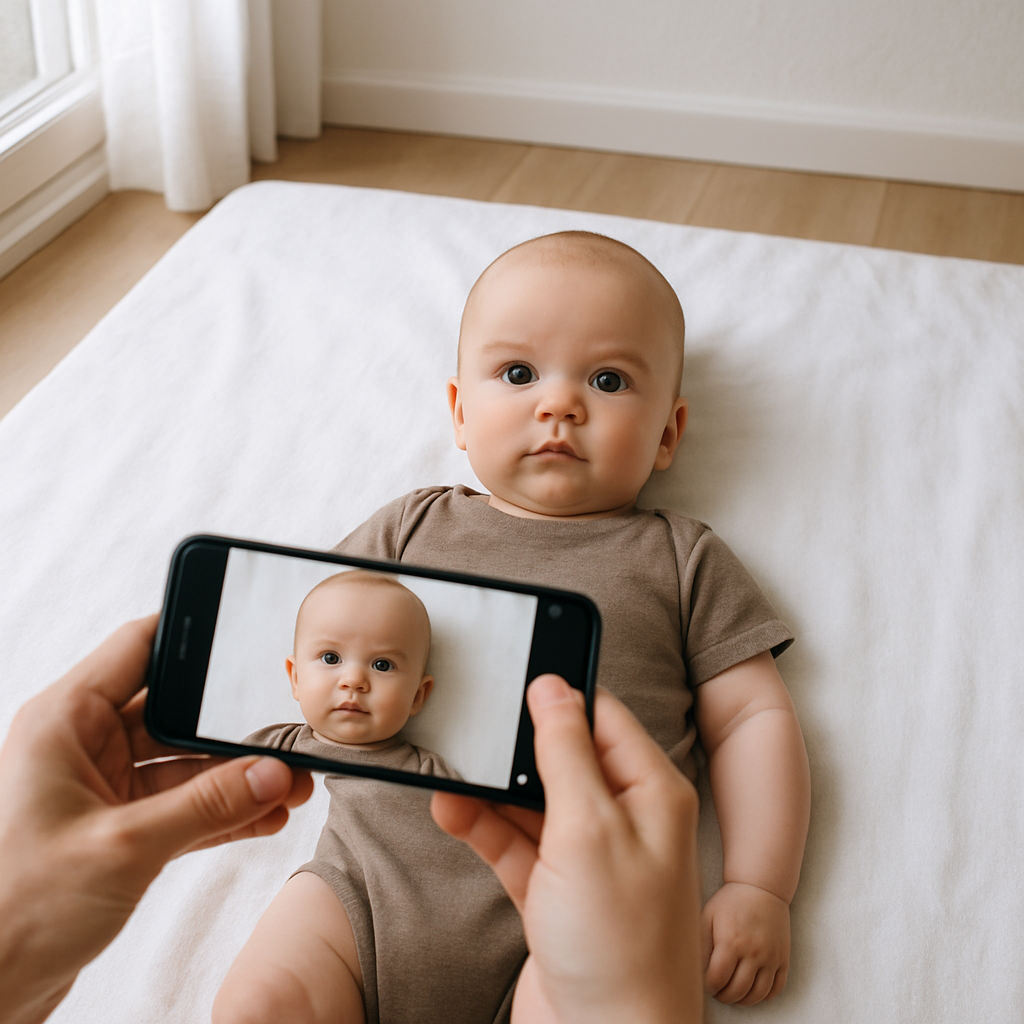
Yes. But it requires patience. And good lighting. Natural daylight near a window works best. Avoid direct sunlight. It creates harsh shadows under the chin and nose. Soft, indirect light is your friend. Lay the baby on a white blanket placed on the floor. Stand directly above. Keep the camera parallel to the face. No angles. Sounds simple, right? In reality, babies move. They blink. They sneeze at the exact wrong moment. That’s why many parents prefer using professional services tailored specifically for infant passport photos.
A Smarter Option: Online Passport Photo Services
Instead of struggling with lighting setups and measurement apps, many families now use online tools designed to meet Dutch biometric standards. One example is BabyPassportMaker.com. It allows parents to upload a photo taken at home. The system then: - Automatically adjusts size and proportions - Removes background issues - Checks compliance with Netherlands 2026 requirements - Formats the image correctly for printing or digital submission It removes the guesswork. And honestly, reducing stress during passport applications feels priceless.
Step-by-Step Guide to Getting It Right
For those who want a clear action plan, here’s a practical roadmap.
Step 1: Prepare the Setting
Choose a bright room with indirect daylight. Set up a smooth white backdrop. Remove visual clutter.
Step 2: Dress the Baby Properly
Avoid white clothing - it blends into the background. Avoid hats, headbands, or large hair clips. Simple outfits work best.
Step 3: Position Carefully
Lay the baby flat or secure them upright with hidden support. Keep shoulders straight. Make sure ears are visible.
Step 4: Take Multiple Shots
Don’t rely on one photo. Capture several images in quick succession. Babies change expressions in seconds.
Step 5: Verify Measurements
Check head size ratios and background clarity. Or use a compliance-check tool to avoid manual measuring.
Special Rules for Newborns
Newborn passport photos have slightly more flexibility. Authorities understand that very young infants cannot fully support their heads or keep eyes wide open for long periods. However: - Eyes should be open if possible - Head must still face forward - No visible medical equipment Photos of babies sleeping are generally not accepted. The eyes must be visible unless medically justified.
Printing Requirements in the Netherlands
If submitting a physical photo, printing quality matters. Photos must be: - Printed on high-quality photo paper - Sharp and high resolution - Free from ink streaks or pixelation - Not damaged or folded Many rejections happen at the printing stage, not the photo stage. Digital submissions for certain applications must also meet file size and resolution standards specified by Dutch authorities.
How Long Is a Baby Passport Valid in the Netherlands?
For children under 18, Dutch passports are valid for 5 years. Yes, that means the photo taken in infancy may not resemble the toddler two years later. But that’s normal. Border control understands natural growth changes. Still, the original image must meet 2026 standards at the time of submission.
Frequently Asked Questions
Can a baby smile in a passport photo?
A slight, natural smile is acceptable. Wide grins or visible gums are discouraged.
Can the baby lie down for the photo?
Yes. Lying flat is acceptable if the head is straight and the background remains uniform.
What if the baby keeps moving?
Take multiple shots quickly. Use burst mode. Patience helps more than anything.
Are shadows really that big of a deal?
Yes. Even faint shadows behind the head can lead to rejection.
Final Thoughts on Baby Passport Photo Requirements Netherlands 2026
The rules are strict. No question about it. But they’re manageable with the right preparation. The biggest mistake parents make? Assuming "close enough" is good enough. Dutch biometric standards don’t work that way. Precision matters. Alignment matters. Lighting matters. Treat the process like assembling a small puzzle. Each piece - background, head size, expression, lighting - must fit perfectly. Once everything aligns, the application moves smoothly. And that’s the goal. If you ask seasoned travel parents, they’ll tell you this: getting the baby passport photo right the first time saves hours later. Possibly days. A little extra care now prevents frustrating rejections later. And when that passport finally arrives in the mail? Relief. Pure relief. Because even the smallest travelers deserve big adventures.