Baby Passport Photo Requirements Philippines 2026
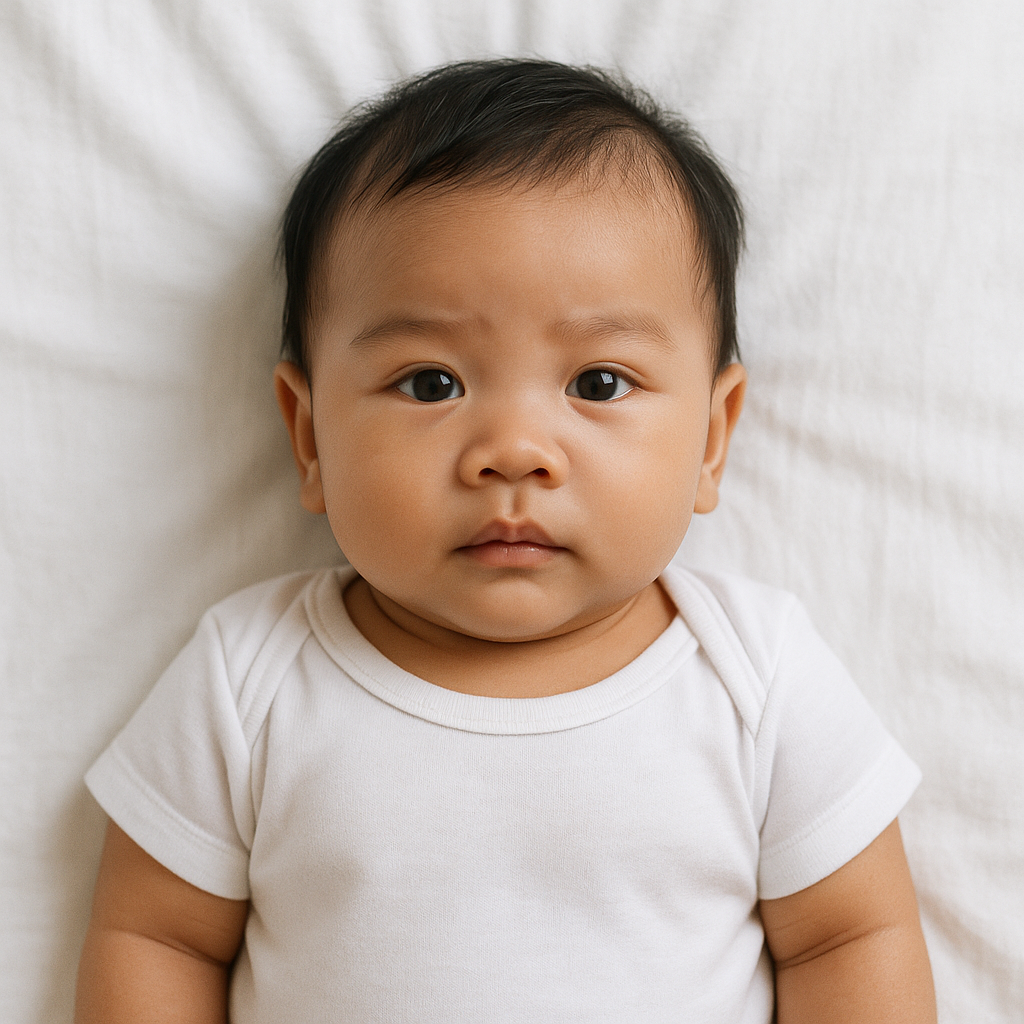
Applying for a passport is stressful enough. Doing it for a baby? That’s a whole different level. Tiny humans wiggle. They blink at the worst possible second. They refuse to cooperate when a camera appears. And yet, the Department of Foreign Affairs (DFA) in the Philippines expects a perfectly compliant passport photo - even for newborns. Sounds simple, right? Not quite. This guide breaks down the updated Baby Passport Photo Requirements Philippines 2026 in plain language. No confusing jargon. No robotic instructions. Just real, practical advice that actually helps.
Why Baby Passport Photos Get Rejected
Let’s start with the uncomfortable truth: passport photos get rejected all the time. And when it comes to infants, rejection rates are even higher. Why? Because small details matter. The wrong background shade. A tiny shadow under the chin. A pacifier barely visible in the corner. One minor issue - and you’re back to square one. If you ask me, the rules feel strict because they are. Passport photos are biometric documents. That means facial recognition software scans them. The image isn’t just a picture. It’s data. So accuracy is non-negotiable.
Official Baby Passport Photo Requirements Philippines 2026
Here’s what the DFA expects in 2026:
1. Photo Size and Dimensions
- Must be 4.5 cm x 3.5 cm - Taken within the last 6 months - Colored photo only - Printed on high-quality photo paper No filters. No editing tricks. No soft Instagram glow.
2. Background Requirements
The background must be: - Plain white - Shadow-free - Pattern-free - Texture-free Think of it like a blank sheet of paper. Clean. Empty. Boring. Because boring works.
3. Baby’s Facial Expression
This is where things get tricky. The baby must: - Face the camera directly - Keep eyes open - Have a neutral expression - Keep mouth closed Yes, even newborns. No wide smiles. No crying faces. No half-closed sleepy eyes. It sounds unrealistic, but these are the standards.
4. Head Position and Framing
- Head centered in the frame - Both ears visible if possible - Full face clearly shown - No tilting - No cropping of chin or forehead The face should occupy about 70 to 80 percent of the photo. Imagine drawing an invisible oval around your baby’s face - that oval must sit neatly in the middle.
5. No Accessories Allowed
This is a big one. The baby cannot wear: - Hats - Headbands - Hair clips covering the face - Pacifiers - Sunglasses Even adorable accessories are not allowed. Religious head coverings may be permitted, but the full face must remain visible.
6. No Visible Hands or Support
Parents often hold newborns during the photo. That’s fine - but hands must not appear. No fingers near the shoulders. No supporting palms under the chin. No arm shadows in the background. The image should look as if the baby is sitting independently.
Common Mistakes Parents Make
Let’s be honest. Most mistakes happen because parents try to make things easier. Here’s what usually causes rejection: 1. Taking the photo while the baby is lying on patterned sheets 2. Cropping an existing photo instead of taking a new one 3. Allowing slight shadows behind the head 4. Using a colored blanket as background 5. Submitting a photo where the baby’s eyes are not fully open It feels minor. It’s not. Biometric systems notice everything.
Can Babies Smile in Passport Photos?
Short answer: No. The DFA requires a neutral expression. A slight natural expression is acceptable, but a wide grin showing gums or teeth may lead to rejection. For infants who cannot control facial muscles, a relaxed face works best. Here’s a hot take - don’t try too hard to make the baby look “cute.” Cute isn’t the goal. Compliance is.
Tips to Get the Perfect Baby Passport Photo
Now for the practical part. Photographing a baby is like trying to capture lightning in a bottle. Timing is everything.
Choose the Right Time of Day
- After feeding - After a nap - When the baby is calm A hungry or sleepy infant will not cooperate. That’s just reality.
Use Natural Lighting
Stand near a window with soft daylight. Avoid harsh overhead lights that create shadows under the chin or nose. Lighting should be even across the face. No dramatic contrasts. This is not a studio portrait. It’s an identification image.
Lay the Baby on a White Sheet
One effective method is placing the baby flat on a plain white sheet. Make sure: - The fabric is wrinkle-free - No shadows fall across the face - The camera is positioned directly above Keep the lens parallel to the baby’s face. Sounds awkward? Maybe. Effective? Absolutely.
Take Multiple Shots
Don’t rely on one picture. Take ten. Twenty. Even thirty. Blinking happens fast. Having options saves time later.
Online Baby Passport Photo Services
Here’s where technology makes life easier. Instead of guessing whether your photo meets DFA standards, online tools can check compliance instantly. One reliable option is BabyPassportMaker.com. The platform helps parents: - Adjust image size correctly - Remove background imperfections - Align the baby’s face properly - Ensure compliance with Philippine passport rules It’s like having a digital assistant who knows every regulation detail. Honestly, for many parents, this removes the stress completely.
What Happens If the Photo Is Rejected?
Rejection means delay. And delays are frustrating - especially if travel plans are already booked. If the DFA rejects the photo, you will need to submit a new one. That could mean rescheduling appointments or extending processing time. Better to get it right the first time.
Special Considerations for Newborns
Newborn passport photos come with extra challenges. Infants cannot hold their heads upright. They cannot focus on cameras. Some cannot fully open their eyes yet. In such cases: - Make sure the eyes are visible, even if slightly open - Avoid swaddling that covers the chin - Keep the baby awake during the shot The DFA understands infants are unpredictable. Still, the photo must clearly identify facial features. Think clarity over perfection.
How Long Is a Baby Passport Valid in the Philippines?
As of 2026, Philippine passports issued to minors are valid for 5 years. Yes, even if the baby outgrows the photo quickly. That means the image must represent the child accurately at the time of application.
Quick Checklist Before Submission
Before printing or uploading, review this final checklist: - Correct dimensions 4.5 cm x 3.5 cm - Plain white background - Neutral expression - Eyes open - No shadows - No accessories - Head centered - High-resolution print If every box is checked, you’re likely good to go.
Final Thoughts on Baby Passport Photo Requirements Philippines 2026
Getting a baby passport photo approved isn’t about luck. It’s about precision. The rules may seem strict, even excessive. But they exist for security and identification consistency worldwide. Approach the process calmly. Plan ahead. Take multiple photos. Use reliable tools when necessary. And remember - the goal isn’t a perfect family album portrait. It’s a compliant, clear, regulation-ready image that sails through approval without delays. Because when travel day arrives, the last thing anyone wants is paperwork drama. Preparation beats frustration. Every time.