Baby Passport Photo Requirements Philippines 2026
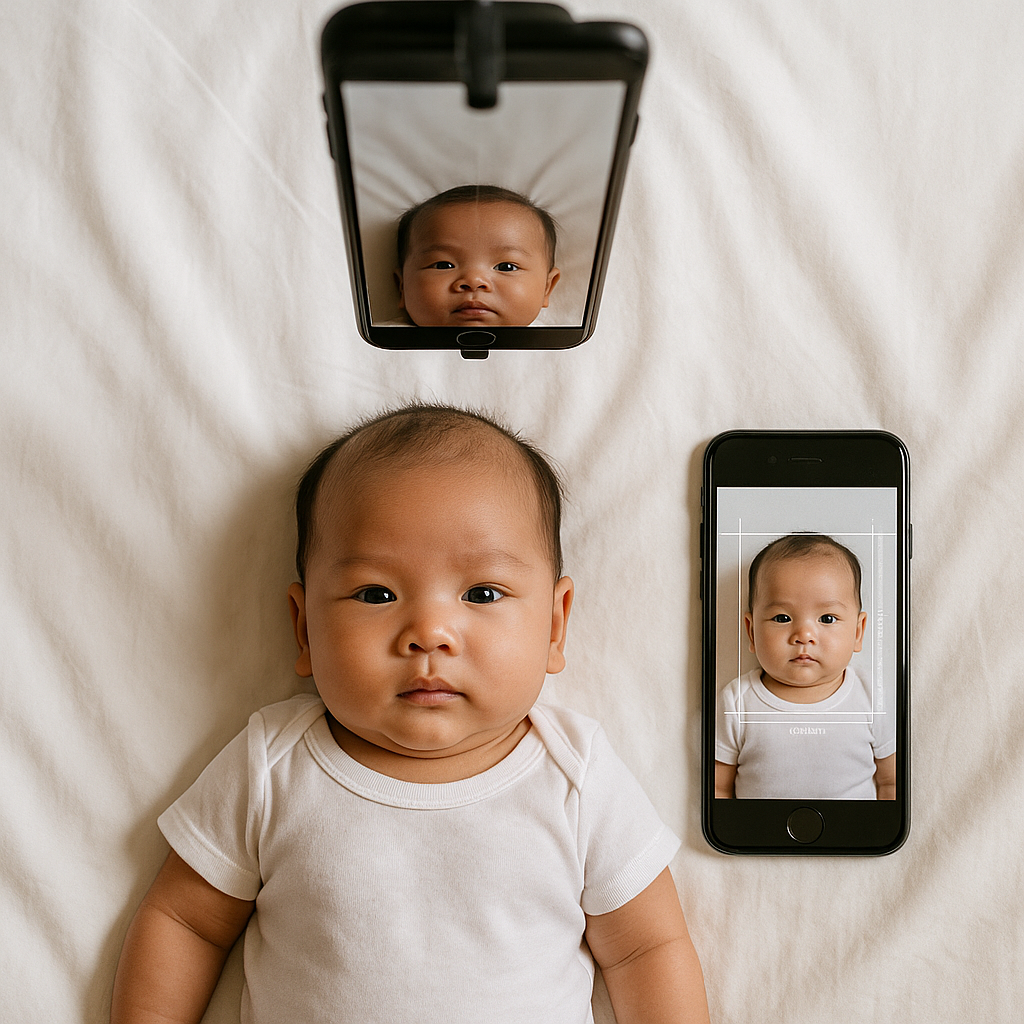
Getting a passport photo for a baby sounds simple. It’s just a picture, right? A quick snap, a tiny smile, and done. Not quite. When it comes to baby passport photo requirements in the Philippines for 2026, the rules are specific, strict, and surprisingly easy to mess up. One tiny shadow. A slight tilt of the head. Even the wrong background shade. Rejected. If you ask most parents, the real challenge isn’t the paperwork - it’s getting a baby to cooperate for five seconds. This guide breaks everything down clearly, honestly, and without fluff. Parents will learn exactly what’s required, what to avoid, and how to make the process smoother (and less stressful).
Why Baby Passport Photos Are So Strict
Here’s the thing: passport photos aren’t just casual snapshots. They’re biometric identification tools. That means the image must clearly show the baby’s facial features for recognition systems and immigration officers. Think of it like a fingerprint - but visual. The Philippine Department of Foreign Affairs (DFA) follows international standards. Even infants must meet these rules. Yes, even newborns who can barely hold their heads up. Sounds tough? It can be. But once you understand the checklist, it becomes manageable.
Official Baby Passport Photo Requirements Philippines 2026
Let’s get into the specifics. These are the core requirements parents must follow.
1. Photo Size and Dimensions
The required passport photo size in the Philippines is:
- 35mm x 45mm
- Head height must measure between 32mm and 36mm
- Full face visible and centered
That head measurement detail? It’s where many submissions fail. The baby’s face must occupy the correct proportion of the frame. Precision matters.
2. Background Rules
The background must be:
- Plain white
- Free from shadows
- Without patterns or textures
No cream. No light gray. Definitely no bedsheets with tiny clouds or cartoon animals. Even subtle shadows behind the head can lead to rejection. Lighting should be even and natural.
3. Baby’s Facial Expression
This is where things get interesting. Babies do not need to smile. In fact, they shouldn’t. Requirements include:
- Neutral expression
- Eyes open (if age-appropriate)
- Mouth closed
- No exaggerated facial expressions
For newborns, slightly open mouths may be tolerated. But wide laughs? Tongue sticking out? Not acceptable. Have you ever tried asking an eight-month-old to "look neutral"? Exactly.
4. Head Position and Posture
The baby’s head must:
- Face directly forward
- Not tilt left or right
- Not lean forward or backward
The camera must be positioned at eye level. No side profiles. No cute angles. Straight on.
5. No Obstructions
This one is critical.
- No hands visible
- No toys
- No pacifiers
- No hats or headbands (unless for religious reasons)
- No visible parent support
Parents sometimes try holding the baby from behind. Unfortunately, even a tiny fingertip showing can cause rejection. The baby must appear alone in the frame.
Clothing Guidelines for Baby Passport Photos
Wardrobe matters more than people expect. Here’s what works best:
- Plain clothing
- Dark or medium colors
- No uniforms
- No busy patterns
White clothing is risky. Against a white background, it can blend in and distort the image outline. A simple blue or pastel top? Perfect. Keep it clean. Keep it simple.
Common Reasons Baby Passport Photos Get Rejected
Rejections are frustrating. They delay travel plans. They add unnecessary stress. Here are the most common mistakes in Philippine baby passport applications:
- Shadows on the background
- Incorrect photo size
- Baby looking sideways
- Parent’s hand visible
- Red-eye effect
- Blurry image
- Overexposed lighting
Honestly, lighting alone causes more issues than people realize. Too bright, and the baby’s face washes out. Too dim, and shadows creep in. It’s like Goldilocks photography. Everything must be just right.
How to Take a Compliant Baby Passport Photo at Home
Studio visits can be stressful. Babies get fussy. Schedules clash. Many parents now choose to take passport photos at home. Done correctly, this works perfectly. Here’s a practical step-by-step approach:
Step 1 - Set Up the Background
Use a smooth white wall or lay a white sheet flat. Make sure there are no wrinkles. Natural daylight near a window works best. Avoid harsh direct sunlight.
Step 2 - Position the Baby
For infants who can’t sit up:
- Lay them flat on a white sheet
- Ensure the camera is directly above
- Keep their head straight
For older babies:
- Seat them upright against a plain white wall
- Make sure no support is visible
Step 3 - Capture Multiple Shots
Don’t rely on one photo. Take 20. Maybe 30. Blinking happens. So does drooling. More options increase the chance of getting that one perfect, compliant image.
Step 4 - Use a Reliable Online Tool
Instead of guessing about measurements, many parents use professional services to adjust and verify the photo. One trusted option is BabyPassportMaker.com. The service ensures the correct Philippine passport photo size, background compliance, and alignment based on 2026 standards. It removes the guesswork. And when dealing with government documents, guesswork is the enemy.
Special Considerations for Newborn Passport Photos
Newborns come with unique challenges. They can’t hold their heads upright. Their eyes may not stay open for long. Facial control? Practically nonexistent. The DFA allows some flexibility for infants under one year old:
- Slight head tilt may be tolerated
- Minor mouth opening may be accepted
- Eye openness depends on age
Still, the face must remain clearly visible. Think clarity over perfection.
Digital Submission vs Printed Photos
Requirements can vary depending on whether the application is processed in person or online. For digital submissions:
- High-resolution image
- JPEG format
- No filters
- No edits altering facial features
For printed versions:
- High-quality photo paper
- No creases
- No ink marks
Filters are a hard no. Even slight smoothing or tone adjustments can invalidate the image. Keep it real. Keep it natural.
Tips to Make the Process Easier
Parents who approach this strategically save time and stress. Here are practical tips that actually work:
- Schedule the photo after feeding - babies are calmer
- Ensure the baby is well-rested
- Use soft sounds to get attention toward the camera
- Dress the baby before setting up the background
- Check lighting before placing the baby in position
Preparation turns chaos into something manageable. Not perfect. Just manageable.
Final Thoughts on Baby Passport Photo Requirements Philippines 2026
Baby passport photo rules in the Philippines are detailed for a reason. The standards protect identity integrity and streamline travel processing. Yes, capturing that compliant image can feel like trying to photograph a hummingbird mid-flight. Quick. Unpredictable. Slightly chaotic. But with proper lighting, correct sizing, a plain white background, and a neutral expression, success is absolutely possible. Parents who understand the requirements ahead of time avoid costly delays. They skip unnecessary reshoots. They move forward with confidence. And really, that peace of mind before an international trip with a baby? That’s priceless. Follow the guidelines. Double-check measurements. Use reliable tools when needed. Done right, it’s just one more small step toward a bigger journey.