Baby Passport Photo Requirements South Africa 2026
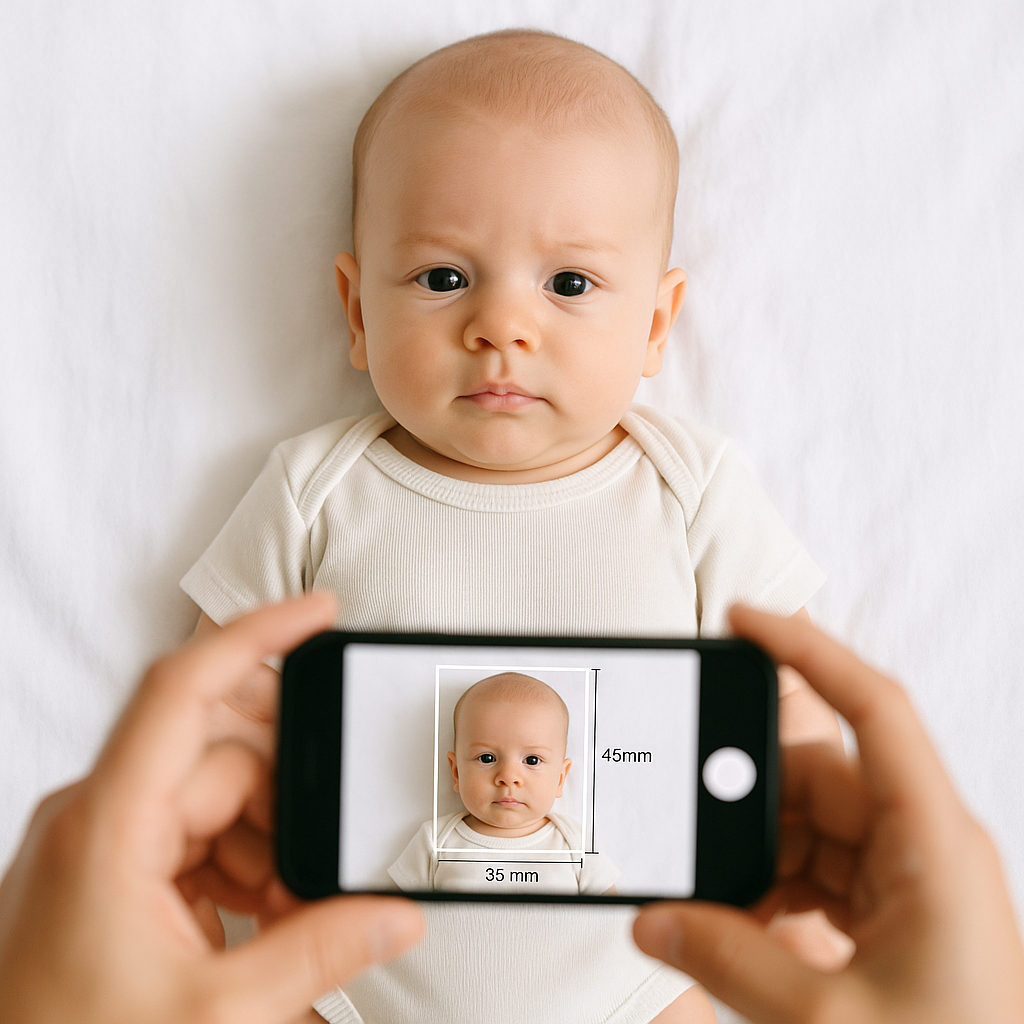
Applying for a baby passport in South Africa sounds simple - until it isn’t. Parents assume it’s just a quick photo, a form, and a stamp. Easy. But then the first picture gets rejected. Or the baby won’t look at the camera. Or the lighting throws strange shadows across tiny cheeks. Suddenly, what seemed like a five-minute task turns into a full-blown mission. If you’re preparing documents for international travel in 2026, this guide breaks down everything you need to know about baby passport photo requirements in South Africa - clearly, honestly, and without the bureaucratic fog. Let’s get into it.
Official Baby Passport Photo Requirements South Africa 2026
The Department of Home Affairs follows strict biometric standards. Even for infants. Yes, even newborns. Here’s what must be correct for the passport photo to be accepted:
- Photo size: 35mm x 45mm
- Background: Plain white
- Expression: Neutral (no smiling, no crying)
- Eyes: Open and clearly visible
- Head position: Facing forward, centered
- No shadows: Even lighting required
- No objects: No toys, blankets, hands, or props visible
- Recent photo: Taken within the last month
Sounds straightforward, right? Now imagine explaining "neutral expression" to a three-month-old. That’s where things get interesting.
Do Babies Have Different Passport Photo Rules?
Yes. And no. The technical specifications remain the same as adult passport photos in South Africa. However, authorities understand that babies aren’t exactly cooperative citizens yet. Some flexibility is allowed:
1. Slight Facial Expression Variations
A baby doesn’t need a perfectly blank expression. Mild movement in the mouth is acceptable. A tiny hint of curiosity is fine. A full grin? Not so much.
2. Eyes Open (Mostly)
For infants under one year old, slightly relaxed eyelids may be tolerated. Completely closed eyes usually result in rejection.
3. Head Support
If the baby cannot sit upright, they may lie on a white surface. The key detail? No visible hands or support in the frame. Think of it like a stage performance. The background disappears. The spotlight hits the face. Everything else fades away.
Common Reasons Baby Passport Photos Get Rejected
Here’s where many applications fall apart. Home Affairs rejects baby passport photos for reasons that feel tiny - but matter big time in biometric systems. Top rejection causes include:
- Shadow behind the head
- Parent’s hand visible supporting baby
- Blanket edges creeping into frame
- Incorrect crop size
- Overexposed lighting washing out facial features
- Baby looking sideways
- Pacifier in mouth
If you ask seasoned travel consultants, they’ll tell you the same thing: lighting ruins more applications than anything else. Too bright? Facial details disappear. Too dim? Grainy image. Uneven? Automatic rejection. It’s surprisingly technical for something involving someone who still naps every two hours.
How to Take a Baby Passport Photo at Home
Parents often wonder if professional photography is required. The short answer - no. The long answer - it must meet exact standards. Here’s how to do it properly at home:
Step 1: Choose the Right Background
Use a plain white sheet or wall. No texture. No patterns. No cream tones. Bright white. Clean. Simple.
Step 2: Position the Baby Correctly
For newborns:
- Lay them flat on a white blanket
- Ensure fabric is smooth underneath the head
- Stand directly above and shoot downward
For older babies:
- Seat them upright
- Support them from behind (but keep hands out of frame)
- Keep shoulders visible
Step 3: Use Natural Lighting
Stand near a window. Avoid direct sunlight hitting the face. Soft daylight works best. No flash. Flash creates harsh shadows and shiny skin reflections that biometric systems don’t like.
Step 4: Capture Multiple Shots
Don’t rely on one image. Take ten. Maybe twenty. Babies blink. They wiggle. They sneeze at the worst possible moment. Patience pays off.
Using Online Tools for Perfect Compliance
Here’s a hot take - editing and cropping matter just as much as taking the photo. Even a perfectly captured image can be rejected if the dimensions are slightly off. That’s where services like BabyPassportMaker.com come in. They adjust size, spacing, and background alignment to match South African passport standards for 2026. Parents upload a photo. The system aligns it properly. Simple. It’s like having a digital passport photo technician in your pocket. And honestly, when travel deadlines loom, convenience wins.
What to Dress Your Baby In
Clothing matters more than most people think. Avoid:
- White tops (they blend into the background)
- Busy patterns
- Large collars
- Hats or headbands
Choose darker, solid colours. Navy, grey, soft pastels. Keep it plain. The goal? The face must dominate the frame. Everything else is background noise.
Can a Baby Smile in a Passport Photo?
Technically, no. A wide smile changes facial geometry. Biometric systems map the distance between eyes, nose, and mouth. Big expressions distort those measurements. A slight natural expression is acceptable. Full giggles? Save those for family albums.
Glasses, Headbands, and Accessories
Quick answer - none allowed. Even decorative baby headbands can lead to rejection if they obscure hairline or cast shadows. Medical exceptions are rare and require documentation. When in doubt, remove it.
Digital vs Printed Photos for South African Passports
For in-person applications at Home Affairs offices, printed photos are usually required. Make sure:
- They are printed on high-quality photo paper
- No creases or marks appear
- Colour is accurate
- Dimensions are exact
Low-quality prints often cause unnecessary delays. It’s frustrating to queue for hours only to be told the image doesn’t meet standards.
Processing Delays Caused by Incorrect Photos
Here’s something many families don’t consider. If the passport photo fails inspection, the entire application pauses. That means:
- Rebooking appointments
- Taking new photos
- Reprinting documents
- Travel delays
Flights don’t wait for paperwork mistakes. And international travel with a baby already requires enough coordination. Why add preventable stress?
2026 Updates to Be Aware Of
As of 2026, South Africa continues aligning biometric passport standards with international ICAO guidelines. This means stricter facial clarity rules and enhanced digital scanning accuracy. Translation? Precision matters more than ever. High-resolution images. Clear facial contrast. No digital alterations beyond background cleanup. The system sees everything.
Quick Checklist Before Submission
Before heading to Home Affairs, run through this:
- Correct 35mm x 45mm size?
- Plain white background?
- Neutral expression?
- No shadows?
- No visible hands or objects?
- Printed clearly on photo paper?
- Taken within the last month?
If every answer is yes, you’re good to go. Almost. Double-check anyway.
Final Thoughts on Baby Passport Photo Requirements South Africa 2026
Getting a baby passport photo right feels oddly high-stakes for something so small. It’s just a picture. Yet it unlocks borders, boarding passes, and family adventures. The trick isn’t overcomplicating it. Follow the official specifications. Focus on lighting. Keep the background pure white. Use reliable formatting tools if needed. And remember - precision now prevents headaches later. Travel planning with a baby already requires military-level organisation. The passport photo shouldn’t be the thing that derails it. Do it once. Do it correctly. Then move on to packing nappies and booking flights. Because the real adventure? That starts after the paperwork is done.