Baby Passport Photo Requirements Spain 2026
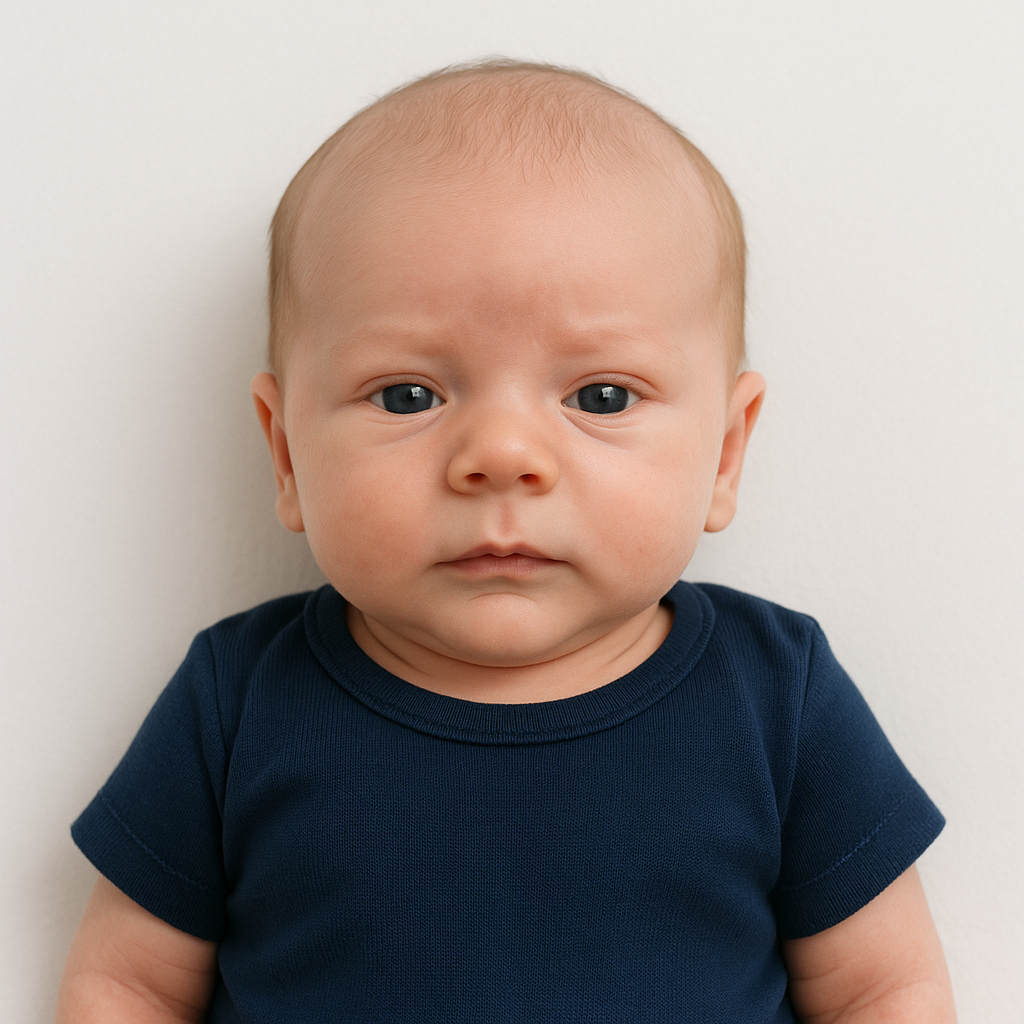
Applying for a passport for a baby in Spain sounds simple. Until it isn’t. Anyone who has tried to photograph a newborn knows the truth - babies don’t pose, they don’t follow instructions, and they definitely don’t care about government regulations. Yet the Spanish authorities? They care. A lot. In 2026, baby passport photo requirements in Spain remain strict, specific, and surprisingly unforgiving. One tiny mistake - wrong background shade, slight shadow, incorrect head position - can mean rejection. And no parent wants to restart paperwork because of a blurry ear. So here’s everything that actually matters.
Official Baby Passport Photo Requirements Spain 2026
Spanish passport authorities follow biometric standards. Yes, even for newborns. While there is some flexibility for infants, the rules are far from casual. Here’s what must be correct:
- Photo size: 32 mm x 26 mm
- Background: Plain white, uniform, no patterns
- Head position: Facing forward, centered
- Eyes: Open and visible (as much as possible for newborns)
- Mouth: Closed, neutral expression
- Lighting: Even, no shadows on face or background
- Image quality: Sharp, high resolution, no pixelation
Sounds straightforward, right? Now imagine applying all of that to a three-week-old who thinks "neutral expression" means screaming.
Background Rules - It’s Not Just "White Enough"
Spanish officials are precise. The background must be clean white. Not cream. Not off-white. Not "looks white in my kitchen lighting." White. No visible texture. No crib edges. No parent’s hand sneaking in from the side. A common mistake? Laying the baby on a white sheet that has wrinkles casting shadows. Those soft folds look harmless to the human eye. To biometric software, they’re a problem. If you ask experienced parents, they’ll tell you lighting is everything. Soft, natural light works best. Direct flash often creates harsh shadows behind the baby’s head, which can trigger rejection.
Head Position and Facial Expression
This part trips people up. For adults, the rules are rigid. For babies, Spanish authorities allow minor flexibility. But "minor" is the keyword. The baby must:
- Face the camera directly
- Have their head straight - not tilted
- Keep eyes open (if possible)
- Maintain a neutral expression
Now, here’s the tricky part. Infants under one year old don’t have to maintain perfect eye contact. However, their face must be fully visible. No pacifiers. No hands covering cheeks. No toys in frame. And absolutely no smiling with tongue out. Adorable? Yes. Acceptable? Not at all.
Can Babies Lie Down in Passport Photos?
Yes - but carefully. For newborns who can’t sit upright, Spanish guidelines allow the baby to lie on their back. The key is ensuring the head is centered and not angled. Parents often place the baby on a white blanket on the floor and photograph from above. That works - if done correctly. Watch out for:
- Shadows around the head
- Camera angle distortion
- Blanket texture
- Hair blending into background
It’s a bit like photographing a tiny, unpredictable passport applicant who refuses to cooperate. Patience helps. So does timing - right after feeding, when they’re calm but awake.
Clothing Guidelines for Baby Passport Photos
Clothing rules are simple but important. - No hats - No headbands - No large bows - No visible logos - No white clothing that blends into the background Religious head coverings are allowed for adults under specific rules, but for babies, accessories are generally discouraged. Choose darker, solid colors. Navy, soft blue, muted green - those usually photograph well against white. One more thing people forget: collars shouldn’t cover the chin. Keep the neckline simple.
Common Reasons Baby Passport Photos Get Rejected in Spain
Rejection happens more often than parents expect. Here are the top reasons in 2026:
- Incorrect photo size
- Shadows on background
- Baby looking sideways
- Eyes fully closed
- Parent’s hands visible
- Overexposed lighting
- Low image resolution
Honestly, many rejections happen because people assume baby photos are "more relaxed." They’re not. The biometric system doesn’t care that the subject is eight weeks old.
DIY vs Professional Services - What Makes Sense?
This is where opinions get strong. Some parents attempt the DIY route with a smartphone. Sometimes it works. Often, it becomes a two-hour session involving blankets, repositioning, retakes, and mild frustration. Professional studios understand lighting and dimensions. But dragging a newborn to a studio can feel exhausting. That’s why many families in 2026 are turning to online services like BabyPassportMaker.com. The process is straightforward - upload a photo taken at home, and the service adjusts size, background, lighting, and compliance according to Spanish passport rules. It’s like having a photo technician in your pocket. Is it mandatory? No. Is it convenient? Absolutely.
Timing Matters More Than You Think
Here’s something people overlook: the baby’s mood determines success. Trying to capture a compliant expression during nap time? Risky. Right after feeding? Better odds. During a growth spurt? Brave move. Calm alertness is the sweet spot. Think of the photo session like catching a wave - timing determines everything. Push too early or too late, and you wipe out.
Digital vs Printed Photos for Spanish Passport Applications
In Spain, passport applications typically require printed photos submitted in person at the police station. That means: - High-quality print paper - Correct matte finish - Exact dimensions - No damage or creases Even if the digital file looks perfect on screen, poor printing can ruin it. Always verify measurements before submission. A millimeter off can cause delays.
Quick Checklist Before You Submit
Before heading to the appointment, confirm:
- The photo measures 32 mm x 26 mm
- The background is pure white
- No shadows appear behind the head
- The baby’s face is centered
- Eyes are visible
- No accessories are present
- The image is sharp and properly printed
Double-checking takes two minutes. Rebooking an appointment? Much longer.
Why Precision Matters in 2026
Biometric systems are more advanced than ever. Spanish passport authorities use facial recognition technology that maps facial proportions. Even babies’ faces are scanned for measurable features. It sounds intense - because it is. The passport isn’t just a travel document anymore. It’s a biometric identity record. That tiny photo carries serious weight. Which is why accuracy matters from the start.
Final Thoughts on Baby Passport Photo Requirements Spain 2026
Applying for a baby passport in Spain doesn’t have to be stressful. But it does require attention to detail. The rules are clear: - Correct size - White background - Proper lighting - Centered face - No accessories Simple in theory. Tricky in practice. Parents who prepare carefully - or use reliable tools to adjust photos properly - avoid the most common setbacks. And that means fewer delays, fewer appointments, fewer headaches. Because when travel plans involve an infant, there are already enough surprises. The passport photo shouldn’t be one of them.