Can Infants Smile in Passport Photos? Official Rules
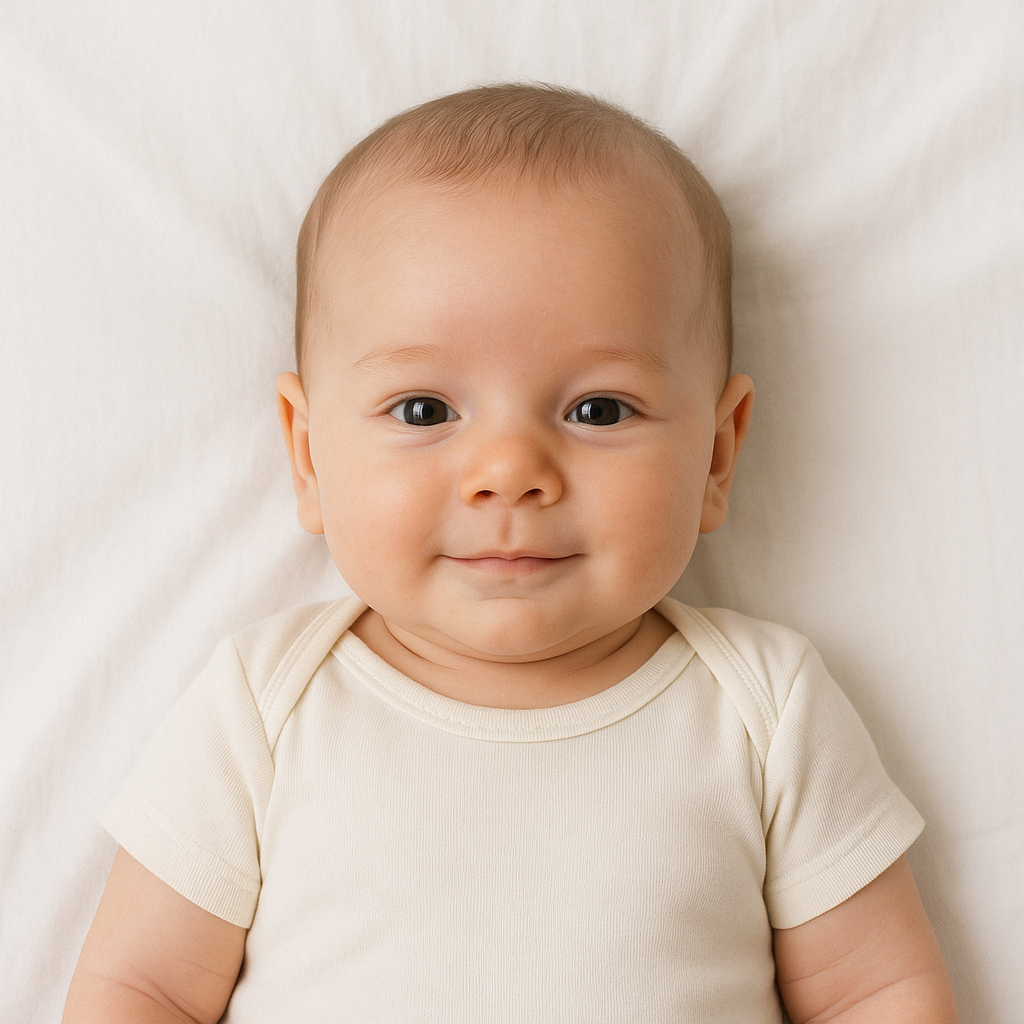
Parents ask this question more often than you’d think: can infants smile in passport photos? It sounds simple. Snap a cute picture, upload it, done. Right? Not quite. Passport photos - even for newborns - follow strict government guidelines. And while a tiny grin might melt hearts, it can also trigger a rejection notice faster than you can say “retake.” If you ask most experienced parents, they’ll tell you the rules feel oddly serious for someone who can’t even sit up yet. Still, the rules exist. And understanding them makes the whole process smoother. Let’s unpack what’s allowed, what’s risky, and how to get that baby passport photo approved on the first try.
Do Infants Have to Keep a Neutral Expression?
Here’s the official stance: passport authorities generally require a neutral facial expression. That means:
- Mouth closed
- Eyes open
- No exaggerated expressions
But - and this is where it gets interesting - infants are given a little flexibility. Most government agencies understand that babies don’t follow instructions. They don’t pose on command. They don’t understand “neutral.” So minor facial expressions are usually tolerated for newborns and very young infants. A slight smile? Often fine. A wide-open laughing face with squinted eyes? Probably not. Think of it like this: authorities want the face clearly visible and identifiable. Anything that distorts key features can cause issues. A subtle, relaxed expression works best.
Official Passport Photo Rules for Babies
Although regulations vary slightly by country, most follow similar biometric standards. The requirements typically include:
1. Clear View of the Face
The entire face must be visible. No shadows. No hands. No pacifiers. No parent fingers sneaking in from the edge of the frame. Yes, that happens more than people admit.
2. Eyes Open
For infants under one year old, some leniency exists. If the baby’s eyes are partially open, it may still pass. However, fully closed eyes usually lead to rejection.
3. Plain Background
White or off-white backgrounds are standard. Patterns, blankets with designs, nursery walls with decals - all risky choices.
4. No Extra Objects
No toys. No headbands with giant bows. No cute hats. Even if it feels harmless, it’s not allowed.
5. Proper Lighting
Even lighting. No harsh shadows across the face. No glare. Sounds strict? It is. Passport photos are used for facial recognition systems. The image must match biometric standards.
So… Can Infants Smile in Passport Photos?
Here’s the honest answer: a small, natural smile is usually acceptable for infants. A big grin showing gums or teeth can be rejected. Authorities prioritize clarity over emotion. If the smile changes the shape of the eyes or mouth significantly, it becomes a problem. Picture this comparison: - A soft, relaxed baby face with the hint of a smile - generally acceptable. - A laughing baby mid-giggle with eyes nearly closed - high rejection risk. It’s a fine line.
Why Passport Offices Are So Particular
Some parents feel the rules are excessive. After all, babies change rapidly. Their appearance in six months may look completely different. True. But biometric identification relies on measurable facial points - distance between eyes, nose shape, chin placement. Even subtle distortions from big expressions can interfere with automated systems. Think of it like trying to unlock a phone with Face ID while making a silly face. It struggles. Same concept. Governments aren’t being grumpy. They’re being technical.
Common Reasons Baby Passport Photos Get Rejected
Rejections are frustrating. They delay travel. They add stress. And they often happen for avoidable reasons. Here are the most common issues:
- Baby smiling too widely
- Eyes completely closed
- Parent’s hand visible
- Shadow behind the head
- Improper image size or cropping
- Blanket texture too busy
Notice something? Most problems aren’t about the smile alone. They’re about overall compliance.
How to Take an Acceptable Infant Passport Photo at Home
Taking a passport photo of a baby feels like herding kittens. They wiggle. They roll. They sneeze at the exact wrong moment. Still, it’s absolutely doable. Here’s a practical step-by-step approach:
Step 1 - Use a White Sheet
Lay a plain white sheet on the floor. Smooth it out completely. Wrinkles can create shadows.
Step 2 - Lay Baby Flat
Place the infant on their back. Make sure the head is straight and centered.
Step 3 - Use Natural Light
Stand near a window. Avoid direct sunlight. Soft daylight works best.
Step 4 - Take Multiple Shots
Don’t rely on one image. Capture 20 if needed. Small movements change everything.
Step 5 - Choose the Most Neutral Expression
Even if the smiling one looks cuter, select the calmest version. This is not the time for adorable - it’s the time for compliant. And yes, that can feel disappointing.
Should You Use a Professional Service?
Honestly, many parents prefer avoiding the stress entirely. Professional tools designed specifically for baby passport photo compliance can dramatically reduce rejection risks. Services like BabyPassportMaker.com help parents adjust background, sizing, and alignment to meet official requirements. That kind of support matters. Especially when travel dates are approaching fast. Instead of guessing whether the smile is too wide or the lighting too uneven, automated verification provides peace of mind. And peace of mind? Worth a lot when traveling with an infant.
What About Newborns?
Newborn passport photos come with slightly more flexibility. For babies who cannot support their heads: - They may lie down on a plain surface. - Eyes do not need to be perfectly open in some countries. - Expressions are judged with more tolerance. Still, clarity remains essential. The baby’s face must be unobstructed. No shadows across the cheeks. No angled heads. It’s a delicate balance between realism and regulation.
Tips to Minimize Smiling Without Stress
Ironically, trying to stop a baby from smiling often makes them smile more. Instead of stimulating them with toys or exaggerated expressions, try this:
- Keep the environment calm and quiet.
- Avoid tickling or playful sounds.
- Take the photo shortly after feeding.
- Work quickly and efficiently.
A relaxed infant naturally produces a softer, more neutral look. Sometimes less interaction leads to better results.
Is a Slight Smile Really a Dealbreaker?
Not usually. Passport officers understand that babies aren’t robots. A gentle expression rarely causes rejection if other requirements are met. What creates problems is exaggerated emotion that alters identifiable features. If there’s uncertainty, choosing the calmer image is always safer. Think practical, not precious.
Final Thoughts on Infant Passport Photo Rules
Can infants smile in passport photos? Yes - but subtly. The safest route is a neutral or barely-there expression. Governments prioritize visibility and biometric accuracy over cuteness. Parents preparing baby passport photos should focus on: - Clear facial visibility - Proper lighting - Plain white background - Minimal expression When done correctly, approval happens quickly. When guidelines are ignored, delays follow. It may feel overly technical for such a tiny traveler. Yet those small details matter. And once that passport arrives? The photo becomes part of family travel history - a tiny, serious face ready for big adventures. Cute or not, compliant always wins.