How to Take Baby Passport Photo at Home Germany
Why Bother Taking Baby Passport Photos at Home?
Let me guess - you’re holding a wriggling, red-faced baby in one arm, your phone in the other, and your coffee’s gone cold. Again. Now someone is telling you that you have to queue up at a photo studio for a baby passport photo? Forget it. Here’s a hot take: taking passport photos of babies at home isn’t just doable - it’s smart. No dragging your newborn into town. No dealing with expensive photographers who might spend 30 minutes trying to get one decent shot. Honestly, all it takes is patience, light, and a few smart tricks. Yeah, even in Germany, where rules are tighter than an unopened pickle jar. So let’s break it down by what really matters.
What Are the German Baby Passport Photo Requirements?
German regulations aren’t exactly laid-back when it comes to official documents. Cute as your baby is, their photo has to tick specific boxes. Don't worry - they’re doable. Here’s what the passport office looks for:
- Size: 35mm x 45mm (standard biometric size)
- Background: Plain, light grey or off-white - NO patterns
- Face: Centered, visible, and eyes open (at least attempting!)
- Expression: Neutral expression. Closed mouth. No smile.
- Lighting: Even light, no shadows on the face or background
- Headgear or Accessories: Not allowed unless medical/religious
Sounds strict, right? But trust me, it's easier than it sounds once you know how to stage it.
Step-by-Step Guide: Taking a Baby Passport Photo at Home
1. Choose Your Moment Wisely
Your best shot (pun intended)? After a nap and a feed. That’s the magic window when they’re alert but not fussy. Timing is everything here.
2. Find the Perfect Spot
Natural daylight is your BFF. Set up near a large window where sunlight floods the room but doesn’t hit the baby directly. Think soft, indirect glow. No flash - it causes harsh shadows and terror.
3. The Setup
Here’s what you need:
- A plain, light grey or white sheet or wall
- A smartphone or camera with decent resolution
- Another adult to help if possible
- Patience. You’ll need deep reserves of it.
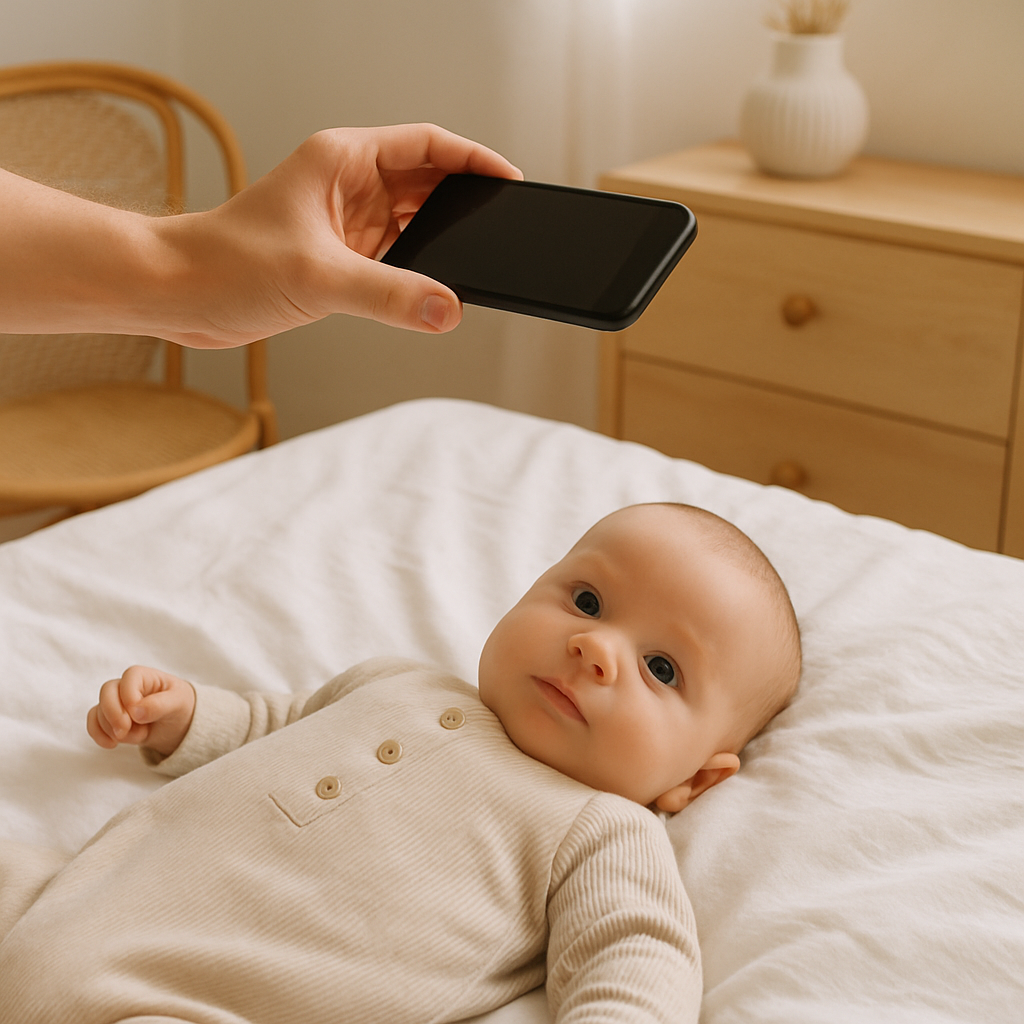
Now place the baby on their back on the sheet with the camera hovering above. The key is getting the shot straight-on - face fully visible, not tilted. Doesn’t sound like a big deal until you meet gravity. Pro tip: try laying the sheet on a flat firm pillow under the baby. Keeps their head up a bit more.
4. Watch That Background
No patterns. No toys. No distractions. Absolutely nothing in the shot besides baby and background. The simpler, the better. Like a minimalist Nord apartment designed by a sleep-deprived architect.
5. Lighting Like a Pro
Ensure there’s no harsh shadows behind your baby or across their little face. If needed, use a white piece of cardboard or paper opposite the window to reflect more light - DIY bounce, baby!
6. Eyes and Expression
Eyes should be open. This might take multiple tries - totally normal. Some babies nail it on photo #3. Others pretend they’ve never seen a camera in their lives. Don’t force it. Keep snapping till you get something usable. Oh, and the mouth must be closed. No big toothless grins, sorry.
7. Crop and Check
Use tools like BabyPassportMaker.com to crop, size, and check that the picture fits German biometric standards. It automates the boring part, highlights what’s wrong, and saves you from guessing. Honestly, without it? It’s like trying to do your taxes without a calculator.
Common Mistakes to Avoid
It’s super easy to mess this up, even when everything seems perfect. Watch out for:
- Shadows or uneven lighting
- Baby turning their head
- Photos taken at an angle
- Busy or colored background
- Visible hands holding the baby
- Outdated selfies from your camera roll. Yes, really
Make sure the photo looks official - not like a snapshot from grandma’s kitchen.
Can You Submit a Digital Passport Photo in Germany?
In many cases, yes. German passport offices now increasingly accept digital versions, though some still ask for printed photos. Ask your local Bürgeramt or Ausländerbehörde - it varies by city. With BabyPassportMaker.com, you can generate both digital and printable formats that follow Germany’s biometric guidelines. So you're covered.
Final Tips for Sanity and Success
1. Don’t Panic If It Isn’t Perfect
Your baby doesn’t need to look like a cherub sculpted by Michelangelo. As long as they meet the criteria - visible features, correct size, plain background - you’re golden.
2. Be Ready to Try a Few Times
Babies aren’t predictable. That's their thing. Keep trying till you get a good shot. It’s like winning a carnival game - effort, timing, and maybe some luck.
3. Let Technology Help You
Tools like BabyPassportMaker.com were made for this exact headache. Upload, crop, adjust, preview - done. It’s basically your virtual photo booth, minus the weird curtain.
4. Avoid the Studio If Possible
Unless you really enjoy waiting rooms and tantrums.
Bottom Line?
Taking a baby passport photo at home in Germany isn’t rocket science. It's definitely more like catching a fast-moving kitten in the perfect pose, but with some patience and planning, you’ve got this. The pros: it’s faster, cheaper, and you control the chaos (well, sort of). So go grab that wriggly munchkin, some natural light, and start clicking. You’re doing great. Just remember - no filters. And whatever you do, don’t let your baby eat the passport photo.