Infant Visa Photo for Qatar and Gulf Countries
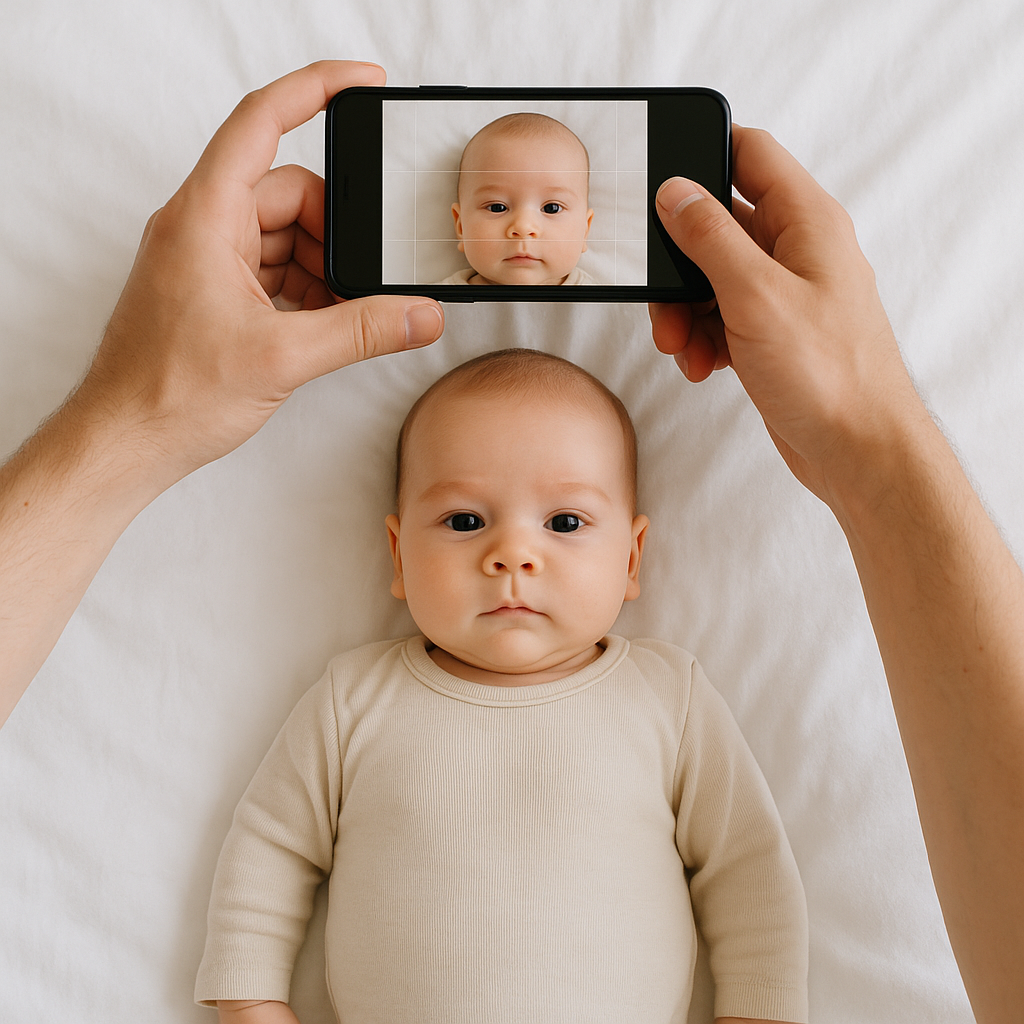
Getting an infant visa photo for Qatar or other Gulf countries sounds simple. It’s just a picture, right? A tiny human, a neutral background, click. Done.
Not quite.
Anyone who has actually tried taking a baby passport photo knows the truth - it’s a delicate dance between timing, lighting, patience, and a whole lot of luck. And when you’re applying for a Qatar visa or any Gulf country visa, the rules are precise. There’s very little wiggle room.
This guide breaks it all down clearly. No stiff instructions. Just practical advice that works.
Why Infant Visa Photos for Qatar and Gulf Countries Are So Strict
Gulf countries like Qatar, UAE, Saudi Arabia, and Kuwait follow international biometric photo standards. They use these photos for identity verification and border control systems. Even babies are part of that system.
That means:
- Correct size dimensions
- Proper head positioning
- Neutral background
- No shadows
- No visible hands holding the baby
Sounds manageable. Until the baby refuses to cooperate.
Authorities won’t overlook mistakes just because the subject is six months old. A rejected visa application can delay travel plans, flights, even relocation timelines. And honestly, nobody wants to rebook international travel because of a crooked baby photo.
Standard Infant Visa Photo Requirements for Qatar
Let’s get specific. While requirements may vary slightly by country, Qatar visa photo requirements for infants typically include:
1. Photo Size
- 35mm x 45mm (standard passport size)
- Head height should occupy 70-80% of the frame
2. Background
- Plain white background
- No patterns, textures, or shadows
3. Facial Expression
- Eyes open (if possible for newborns)
- Mouth closed
- No exaggerated expressions
4. Positioning
- Baby facing directly toward the camera
- Head centered
- No tilt
5. No Accessories
- No hats
- No pacifiers
- No headbands covering hairline
Yes, even that adorable bow has to go.
The Real Challenge - Photographing a Baby
Taking a compliant adult photo is like photographing a statue. Taking a baby’s photo? It’s like trying to capture a butterfly mid-flight.
They wiggle. They blink. They suddenly find the ceiling fan fascinating.
Lighting becomes tricky because babies can’t sit upright alone. Many parents lay them on a white sheet. That works - if done correctly. But shadows creep in easily. Even slight creases in fabric can cause rejection.
And here’s something many people miss: hands must not be visible. If someone is holding the infant, those fingers cannot appear in the frame. Not even a little bit.
Have you ever tried balancing a baby upright without being seen? Exactly.
Common Reasons Infant Visa Photos Get Rejected
If you ask seasoned visa consultants, they’ll tell you the same thing - photo errors are among the top reasons applications get delayed.
Here’s what usually goes wrong:
- Shadows behind the baby
- Incorrect size or cropping
- Baby not looking forward
- Open mouth or crying expression
- Overexposed or too dark lighting
- Visible support hands
One tiny issue can mean starting over. And starting over with an infant isn’t fun.
DIY vs Professional Infant Visa Photo Services
Here’s the big question - should parents do it themselves?
Sure, smartphones today have excellent cameras. But quality alone isn’t enough. It’s about compliance.
Professional services understand Gulf country visa photo standards down to the millimeter. They adjust lighting, crop precisely, and ensure background perfection.
And now, many services operate entirely online. Parents can upload a photo taken at home, and the system adjusts it to meet official requirements.
One reliable option many families turn to is BabyPassportMaker.com. The platform specializes in infant passport and visa photos, formatted correctly for Qatar and other Gulf countries. It removes background imperfections, corrects sizing, and ensures compliance - without the stress of studio visits.
Honestly, convenience matters when there’s a baby involved.
Practical Tips for Taking a Perfect Infant Visa Photo
If parents choose to take the photo at home, here’s what works best:
Use Natural Light
Place the baby near a window with indirect daylight. Avoid harsh overhead lights that create shadows under the chin or behind the head.
Lay Baby on a Smooth White Sheet
Stretch the fabric tightly. Wrinkles create unwanted shadows. A plain white poster board also works surprisingly well.
Keep the Camera Directly Above
The lens should be parallel to the baby’s face. No angles. No artistic tilt. This isn’t Instagram.
Remove All Accessories
Even thin headbands can cause rejection if they obscure hairline details.
Take Multiple Shots
Patience wins. Capture 20 or 30 images if needed. One will likely meet requirements.
It’s a bit like fishing. You cast many times before getting the perfect catch.
Differences Between Qatar and Other Gulf Countries
While most Gulf countries follow similar biometric standards, slight differences can exist:
- Saudi Arabia may require stricter head coverage rules depending on nationality.
- UAE often demands precise contrast levels.
- Kuwait can be particular about background brightness.
This is why checking country-specific requirements is crucial. Assuming they’re identical can lead to avoidable delays.
Why Accuracy Matters More Than Speed
When planning international travel with an infant, timelines are already tight. There are vaccinations, paperwork, airline bassinets to reserve, packing lists that feel endless.
It’s tempting to rush the photo step.
That’s a mistake.
An incorrect infant visa photo can push back approvals by weeks. Some embassies won’t even process the file until a compliant image is resubmitted.
Think of the visa photo as the foundation of a house. If it’s uneven, everything else gets delayed.
Digital vs Printed Infant Visa Photos
Many Qatar visa applications now require digital uploads. That means:
- Specific pixel dimensions
- File size limits
- JPEG format requirements
Submitting a file that’s too large or poorly compressed can cause online portal errors.
For printed versions, paper quality matters. Matte finish is generally preferred. Glossy prints can reflect light and create scanning issues.
Details, details, details.
Final Thoughts on Infant Visa Photos for Gulf Countries
An infant visa photo for Qatar or other Gulf countries might seem like a minor checkbox in the travel process. It isn’t. It’s a technical requirement wrapped inside a deceptively simple task.
Precision matters. Lighting matters. Background matters.
And while parents can absolutely handle it themselves, many find that specialized services like BabyPassportMaker.com remove uncertainty from the equation. Less stress. Fewer retakes. More confidence.
At the end of the day, the goal isn’t just a compliant photo. It’s smooth travel plans. A seamless visa approval. A calm start to an international journey.
Because when traveling with a baby, peace of mind is priceless.