UK Baby Passport Photo Rules and Requirements
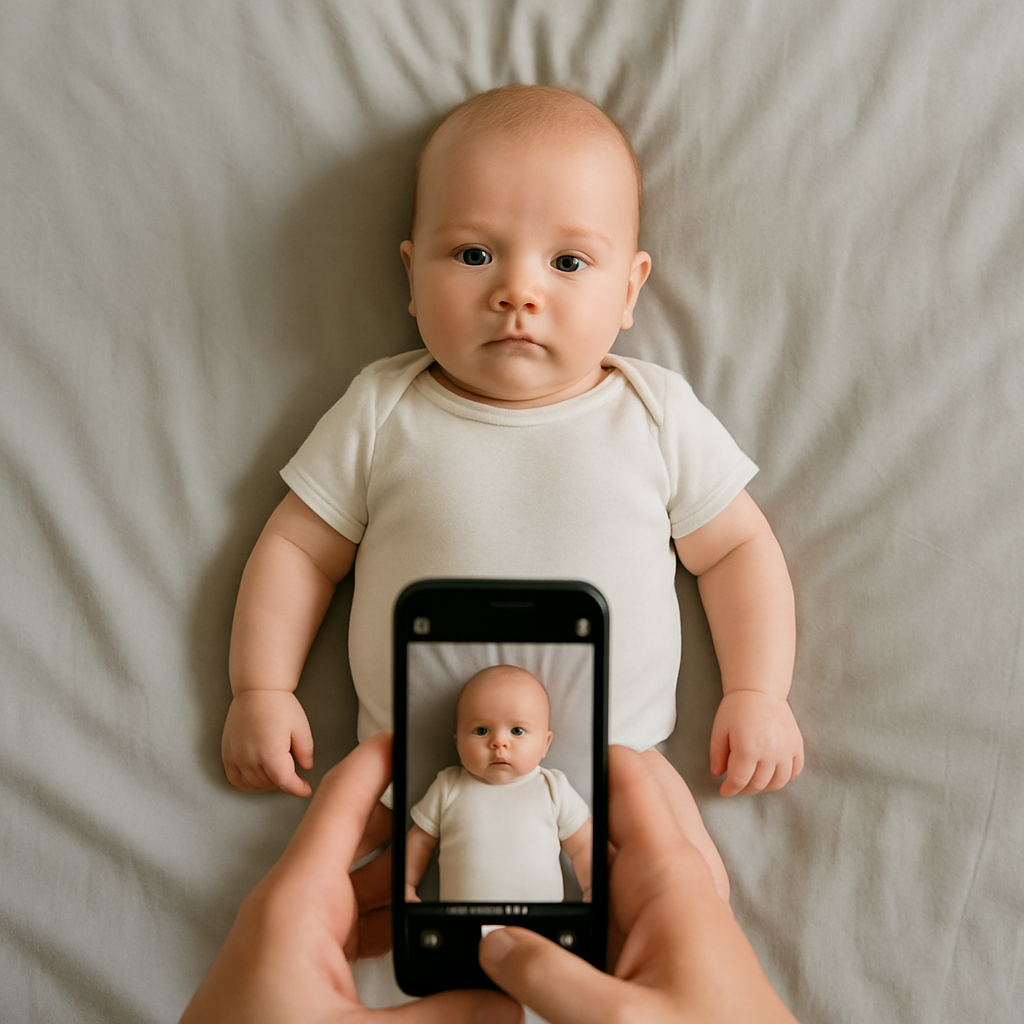
Let’s Be Honest: Baby Passport Photos Can Be a Nightmare
Trying to get a perfect passport photo of a baby? It's like asking a kitten to sit still during a thunderstorm... while wearing a hat. If you've ever tried it, you know what I mean. One second, they’re smiling like a cherub; the next, they’ve got milk dribbling down their chin, eyes shut, head tilted like they just heard a wild conspiracy theory. Still, rules are rules, and if you’re planning any kind of travel with your little bundle of joy, you’re going to need a passport photo that meets the UK government’s very specific - and sometimes absurdly tricky - standards.
Why These Rules Matter (Even for Newborns)
So, what’s the big deal? Why can’t we just snap a cute photo on our phone and be done with it? Well, passports are legal documents. That means every photo must be biometrically suitable - even for babies. Have you ever tried to get a newborn to look straight ahead with their mouth shut and eyes open against a plain background? Yeah, exactly.
Here’s what the UK passport office expects:
- Baby must face forward with eyes open (Newborn exceptions do apply.)
- No toys, hats, pacifiers, or hands visible in the frame
- A plain cream or light grey background - not your floral bedspread
- High-resolution image, true to life (No filters, sorry Instagram fans)
- Neutral expression - no smiles, no tears
Sounds simple, right? Of course not. But we’ll walk through it together.
Size Does Matter: Passport Photo Dimensions
Here’s the boring-but-critical part. The specs. UK baby passport photos must be:
- 45mm high x 35mm wide (if printed)
- Digital uploads: at least 600 pixels wide x 750 pixels tall
- File sizes between 50KB and 10MB
The photo must be in colour - black and white is a hard no. Lighting should be even. No shadows. Especially not circles under baby’s eyes (though most new parents relate hard to that look).
Let’s Talk Backgrounds: Keep It Light, Keep It Clean
One of the most common reasons baby passport applications get rejected? The background. The UK is weirdly strict about this. They want a clear, light-coloured, and uncluttered background. You can’t just throw a white towel on the couch and hope for the best. Honestly, if you don’t have a studio setup at home (who does?), try laying baby on a light grey sheet on the floor near natural light. Or better yet, use a service like BabyPassportMaker.com. They digitally fix backgrounds in line with official standards. Lifesaver.
How to (Realistically) Take a Baby Passport Photo at Home
Alright, brass tacks. Here’s how to do it without losing your mind:
- Lay baby on their back on a light grey or white sheet in a bright room.
- Stand directly above, camera parallel to baby’s face. No odd angles.
- Use natural lighting (think near a window). Avoid flash - it creates shadows and startles babies.
- Keep baby calm. Timing is everything. Snap that photo in the first 30 seconds after a nap or feed.
- Take multiple shots. At least 10. Really. It increases your odds of getting one that actually works.
And remember - no hands visible supporting the baby’s head or neck. That includes yours!
Common Mistakes That Get Baby Passport Photos Rejected
Let’s go ahead and save you from the most common passport photo pitfalls:
- Baby not looking at the camera? Rejected.
- Mouth wide open? Denied.
- Head tilted way off-center? Nope.
- Pacifier, toy, or parent’s hand sneaking in the shot? Instant fail.
- Colored or patterned background? It’ll bounce back.
Yep. They’re picky. But there’s a reason - passport control is all about facial recognition, and even a blinking teddy bear can mess that up.
How BabyPassportMaker.com Makes It a Whole Lot Easier
Here’s a hot take: don’t even try doing this solo. Use tools designed for this very headache. Services like BabyPassportMaker.com simplify the whole process. Upload your best shot and let their system adjust the background, crop to the exact dimensions, and (here’s the magic sauce) verify it all against UK photo guidelines. You end up with a passport-ready image, minus the guesswork.
Seriously, why make it harder than it needs to be?
You wouldn’t go off-roading on bald tires. So why roll the dice with a self-shot baby passport photo and risk delays, rejections, and reapplications?
Do UK Rules Change Based on Baby’s Age?
Great question. Surprisingly, a bit. For babies under six months: - Eyes can be closed (halos of relief everywhere) - Head position is slightly less strict - But still, no smiles, no hands, no toys. That part? Non-negotiable. So yes - leniency exists. But only a little.
Checklist Before You Submit
Just to be sure you've crossed every i and dotted every t: ✅ Baby is facing forward, eyes open (if over 6 months) ✅ No visible hands or props ✅ Neutral expression - no open mouths ✅ Plain cream or grey background ✅ Proper lighting with no harsh shadows ✅ Correct size and resolution for digital or printed photo ✅ Checked using BabyPassportMaker.com or a similar verifiable tool
The Takeaway: Get It Right Now, Travel Smooth Later
Here’s the truth: it’s worth obsessing a little now to save future stress. Flights, appointments, and family trips shouldn’t hinge on a crooked photo of a yawning infant in a superhero onesie (as cute as that might be). If you ask me, letting pros like BabyPassportMaker.com handle the compliance side is the move every new parent deserves. Save your energy for packing diapers and baby snacks. Let someone else sweat the passport photo. Because honestly? Getting a baby to stare down a camera and not look like they're plotting world domination is hard enough. Bon voyage!