What to Wear for Passport Photos: Guidelines for Official Compliance in 2026
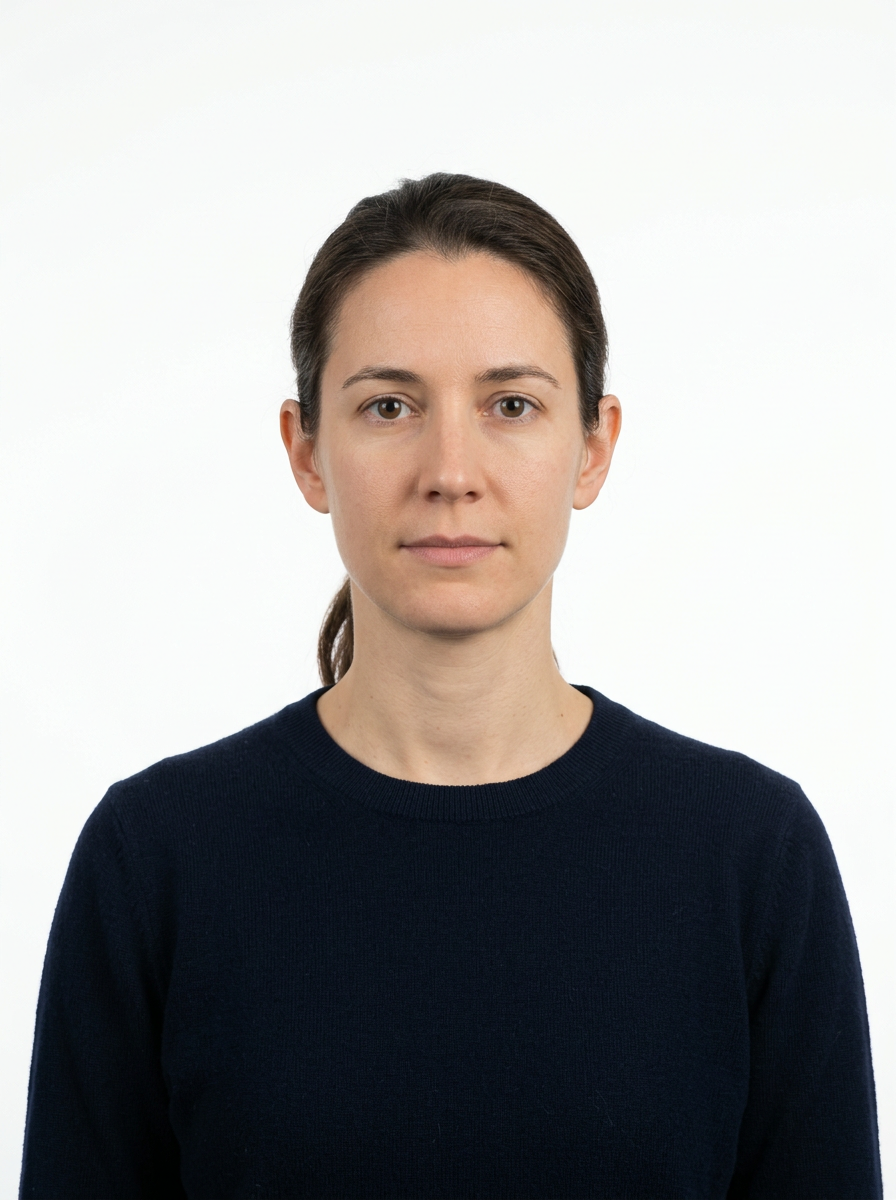
Obtaining a valid passport image requires strict adherence to international biometric standards. Ensuring your attire and posture meet these regulations is essential to prevent application delays or outright rejection by government authorities.

Quick Summary
Successfully navigating the requirements for a passport id photo involves selecting plain, contrasting clothing and maintaining a neutral expression in front of a white background. This preparation ensures your image remains compliant with global facial recognition standards.
- Wear everyday, neutral clothing that contrasts with a white background.
- Avoid hats, head coverings (unless for religious purposes), and large accessories.
- Maintain a neutral, closed-mouth expression with eyes clearly visible.
- Ensure even lighting to avoid shadows on the face or background.
Table of Contents
- Understanding Passport Photo Requirements
- What to Wear for Passport Photos
- The Importance of a Passport Photo White Background
- Correct Posing for Your Passport Image
- Common Mistakes When Taking a Passport Picture
- FAQ
- Recommended Reads
Understanding Passport Photo Requirements
Government agencies maintain rigorous standards for a passport image to facilitate automated biometric identification. These systems rely on clear, high-contrast images where facial features are easily discernable by machine-learning algorithms. When preparing your documentation, it is vital to recognize that the primary goal is not personal aesthetic, but rather technical functionality.
Guidelines vary slightly by jurisdiction, but the fundamental principles remain universal. Whether you are preparing a UK baby passport photo or an adult application for a different nation, the focus remains on head-to-frame proportions and clarity. Deviating from these requirements often leads to processing delays, as officials must manually verify images that fail automated checks.
What to Wear for Passport Photos
Choosing the right attire is the first step in ensuring your submission is accepted. The golden rule is to wear everyday clothing that stands out against the required backdrop. Avoid pure white tops, as they often blend into the background, causing the image to fail technical audits. Instead, opt for dark or bold colors that provide sufficient contrast.
Avoid uniforms or camouflage patterns, as these can interfere with facial recognition software. Additionally, ensure your clothing does not hide your neck or jawline. If you are preparing an Australian baby passport photo, the same logic applies: keep the attire simple and ensure the infant's face is unobstructed by blankets or hoods. Professional photography services often emphasize that accessories like hats or large hair clips must be removed entirely to avoid casting shadows or obscuring features.
Pro Tip: If you wear glasses, it is best to remove them. Many modern passport regulations prohibit glasses to eliminate reflections and glare, which can compromise the validity of the biometric scan.
The Importance of a Passport Photo White Background
International standards dictate a plain, white, or off-white background to ensure that the subject is the sole focus of the image. A uniform background allows the software to crop the image accurately and place it correctly on the passport photo page of your travel document. Any texture, pattern, or shadow on the backdrop can be interpreted as a foreign object, leading to an immediate rejection.
Achieving a professional-grade white background at home requires even lighting. If the light source is too close or directed from one side, it will create harsh shadows behind the subject's head. By utilizing an AI passport photo generator, you can automate the background removal process, ensuring that even if the original environment was imperfect, the final output meets the necessary technical specifications for government compliance.
Correct Posing for Your Passport Image
Your posture and expression are as critical as your attire. When standing or sitting for your photo, ensure your face is squared toward the camera. Your ears, eyebrows, and eyes must be clearly visible, and your head should be centered within the frame. A neutral expression is mandatory; this means closing your mouth and avoiding exaggerated smiles or frowns.
For parents assisting children, such as when capturing an italy baby passport photo, the challenge lies in keeping the child still. The head must be upright and unsupported by hands or external objects. If you are struggling with a toddler, focusing on high-quality, front-facing shots that can be digitally adjusted for alignment is a standard practice for many travelers today.
Common Mistakes When Taking a Passport Picture
Many applicants experience issues due to poor lighting or improper cropping. Shadows falling across the face, specifically under the eyes or chin, will mask your features and render the image unusable. Always ensure you are standing in a well-lit area with diffused light, rather than direct, harsh lighting.
Another frequent error is incorrect head size. Every government has specific requirements, such as a head height range of 25mm to 35mm. If the image is too small or too large, the biometric validation system will flag the passport id photo as non-compliant. Before finalizing your file, always double-check the dimensions required for your specific travel document.
FAQ
Can I wear jewelry in my passport photo? Yes, you may wear small, discreet jewelry, provided it does not cause reflections or hide any part of your face. Large, dangling earrings or facial piercings that create glare should be removed.
Why is a plain background necessary? Government systems use automated facial recognition that processes images based on color and contrast. A complex or dark background prevents the software from effectively isolating your face from the surrounding environment.
What should I do if my eyes are red from the flash? Red-eye effects are common with cameras but are grounds for rejection. It is recommended to use natural or diffuse lighting rather than a direct camera flash to avoid this issue entirely.
Are there special rules for religious head coverings? Yes, you may wear a head covering for religious purposes, provided it does not obscure your hairline or cast shadows on your face. Your full facial features must remain visible from the bottom of your chin to the top of your forehead.