10 Best Ways to Get Your Newborn Passport Photo Taken
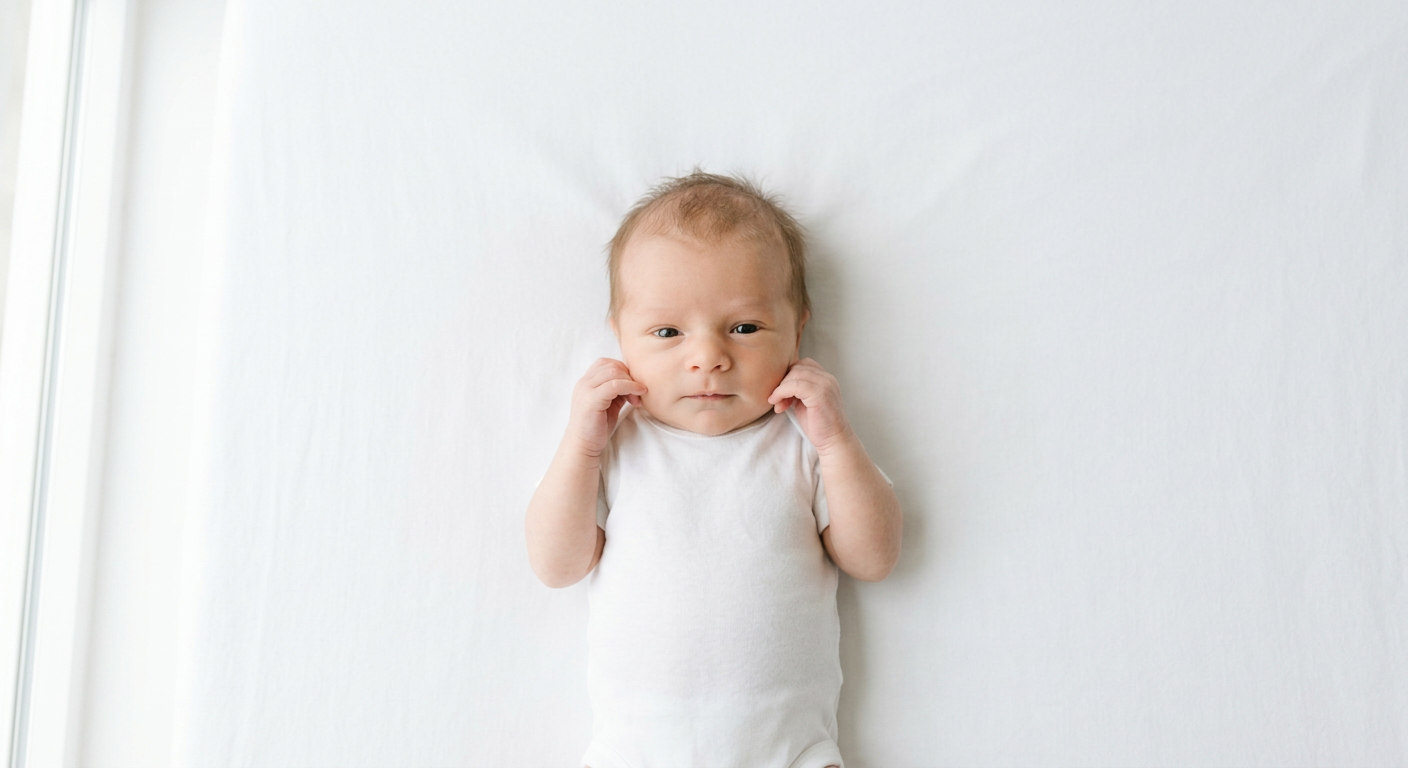
Obtaining a new born passport requires careful planning, especially when it comes to capturing a compliant newborn passport photo. Unlike adults, infants are prone to movement and lack the neck control necessary for standard portrait poses, making the process inherently challenging. Because government agencies enforce strict infant passport photo requirements, understanding the most effective methods to secure a perfect shot is essential for a smooth application process.
Quick Summary
Securing a compliant newborn passport photo requires controlling lighting, background, and head positioning. By using professional services or specific home-setup techniques, parents can meet stringent international standards for infant photography while minimizing stress for the child and avoiding common application rejections.
- Ensure the infant is lying on a plain white or off-white sheet.
- Use natural, diffused lighting to avoid harsh shadows.
- Prioritize front-facing, neutral-expression captures.
- Verify specific dimensions for your country, such as the standard for an australian passport photo infant application.
Table of Contents
- 1. Using a Dedicated Mobile Application
- 2. Professional Studio Photography
- 3. The DIY Flat-Lay Method
- 4. High-Street Pharmacy Services
- 5. Utilizing Natural Window Light
- 6. Leveraging High-Resolution Digital Cameras
- 7. Enlisting a Second Handler
- 8. Post-Processing and Digital Alignment
- 9. Timing Around Sleep Schedules
- 10. Consulting Official Government Guidelines
- FAQ
- Recommended Reads

1. Using a Dedicated Mobile Application
Leveraging AI-driven Tools
Dedicated passport photo applications provide an accessible way to capture a newborn passport photo at home. These tools often feature built-in alignment guides that overlay the required head size and positioning directly onto your camera viewfinder, helping you adhere to strict newborn passport photo requirements from the start.
Why It Matters / Real-World Impact
By using a guided interface, you significantly reduce the risk of human error during framing. These applications often include automated background removal, which helps ensure compliance even if your domestic setting lacks a perfectly neutral studio backdrop.
2. Professional Studio Photography
Expertise in Infant Posing
Professional photographers specializing in family portraits have the experience necessary to handle infants patiently. They possess the lighting equipment and soft-box diffusers required to eliminate the distracting shadows that often trigger rejection in passport applications.
Why It Matters / Real-World Impact
While more costly than DIY solutions, professional studios provide a higher probability of first-time acceptance by government authorities. This is particularly valuable for parents concerned about the nuance of specific regional mandates, such as those governing a us baby passport photo submission.
3. The DIY Flat-Lay Method
The Blanket Technique
One of the most effective ways to capture a newborn passport photo is by placing the infant on a solid white sheet spread out on the floor. Position yourself directly above the infant, ensuring the camera is held parallel to the floor to avoid distorted angles.
Why It Matters / Real-World Impact
This technique addresses the issue of neck stability. Because the infant is lying flat, you do not need to worry about supporting the head manually, allowing you to focus entirely on capturing a clear, open-eyed expression with the camera centered over the infant’s face.
4. High-Street Pharmacy Services
Retail Convenience
Many large pharmacies offer passport photo services that are calibrated to specific national standards. The technicians at these locations often receive specific training regarding the biometric requirements necessary for a new born passport.
Why It Matters / Real-World Impact
This is a time-efficient option for busy parents. Because these locations print photos instantly, you can review the physical copy against official guidelines before leaving the store, ensuring that factors like facial contrast and background uniformity meet the necessary infant passport photo requirements.
5. Utilizing Natural Window Light
Softening the Light Source
Harsh flash photography is often prohibited or discouraged for newborns. Using indirect natural light from a large, north-facing window provides soft, diffused illumination that fills in shadows without causing the infant to squint.
Why It Matters / Real-World Impact
Poor lighting is one of the most common reasons for photo rejection. By using diffused natural light, you ensure the infant’s features remain visible and clear, satisfying the biometric requirements that demand uniform illumination across the face.
6. Leveraging High-Resolution Digital Cameras
High Clarity and Cropping Potential
While many parents use smartphones, a dedicated digital camera with a high-resolution sensor allows for better detail retention. This is helpful if you need to crop the image later to satisfy strict head-size ratios required for specific international documents.
Why It Matters / Real-World Impact
Using high-quality equipment minimizes digital noise, which can otherwise be mistaken for blurriness. When uploading your image to a government portal, a high-resolution file ensures that even after the necessary formatting and compression, the image remains sharp enough for identity verification.
7. Enlisting a Second Handler
The Assistant Advantage
Attempting to photograph a newborn alone is rarely successful. A second adult can act as a distractor, using toys or gentle vocal cues to encourage the infant to look toward the camera lens while the primary photographer focuses on the shot.
Why It Matters / Real-World Impact
Cooperation is key to achieving a neutral, forward-facing expression. Having a second pair of hands to keep the infant calm or to help reposition them allows you to capture the photo in a shorter timeframe, reducing the infant's agitation and increasing the likelihood of a compliant pose.
8. Post-Processing and Digital Alignment
Precision Formatting
After taking the raw photo, using digital software to adjust contrast, brightness, and alignment is often necessary. Professional newborn passport photo requirements specify exact measurements for the distance between the chin and the top of the head.
Why It Matters / Real-World Impact
Even a perfect shot can be rejected if the digital dimensions are incorrect. Precise post-processing ensures the subject is correctly centered and that the head-to-body ratio conforms to the specific international standards required by the issuing passport office.
9. Timing Around Sleep Schedules
Optimizing Infant Mood
Photographing an infant immediately after a nap when they are fed and alert is critical. An overtired or hungry infant will inevitably cry or struggle, making it nearly impossible to capture a shot with the required neutral expression and open eyes.
Why It Matters / Real-World Impact
Strategic timing saves hours of frustration. Planning the photo session during the baby's "happy window" reduces the duration of the shoot and significantly improves the quality of the facial expression, ensuring a higher rate of successful government approval.
10. Consulting Official Government Guidelines
Staying Updated on Rules
Passport regulations change, and specific jurisdictions have unique requirements for infants. Always check the official website of the passport authority before you begin the process to confirm current rules regarding background colors, head coverings, and eye visibility.
Why It Matters / Real-World Impact
Ignorance of specific regional rules—such as those for a canada baby passport photo—is a primary cause of application delays. Consulting the official source guarantees that your efforts are aligned with current legal expectations, preventing unnecessary processing setbacks.
FAQ
Can a newborn's eyes be closed in a passport photo? Generally, no. Most passport authorities require that the infant’s eyes be open and visible. If the baby is a newborn, some jurisdictions may be slightly more lenient, but it is always safer to aim for an open-eyed shot.
What background color is required for a newborn passport photo? Most countries require a plain white or off-white background. Avoid patterned sheets, bright colors, or textures that may create shadows.
How can I keep my infant still for the photo? Using the flat-lay method on a white sheet is the most effective approach. Since infants cannot sit up, lying them down on a solid-colored, light-reflecting surface is the standard procedure.
Do infants have to follow the same rules as adults? While infants are exempt from certain requirements—such as having a perfectly neutral "no-smile" expression—the fundamental biometric rules regarding head position, lighting, and clear visibility of the face still apply.