Baby Passport Photo for Citizenship by Investment
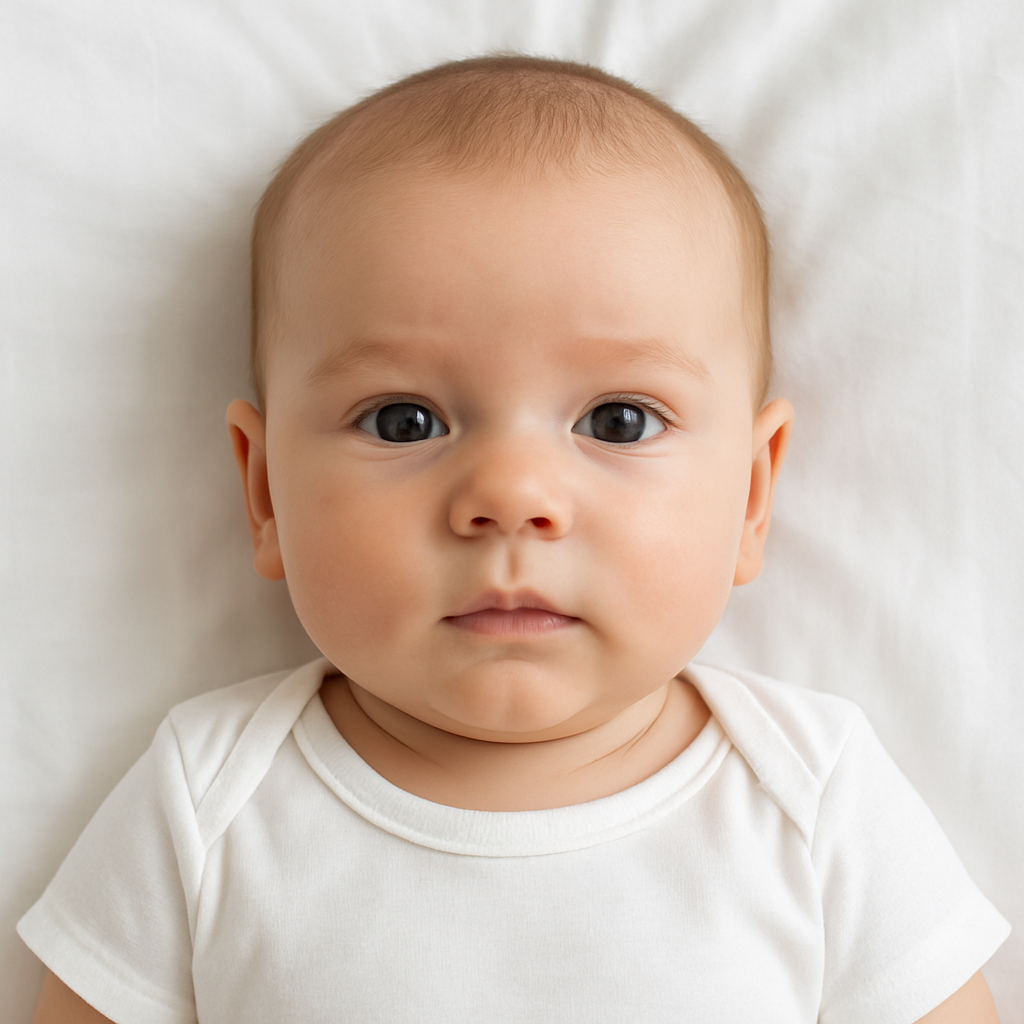
Applying for citizenship by investment is already a high-stakes process. Add a baby into the mix? Suddenly, something as small as a passport photo feels enormous.
Parents often assume the hardest part will be the financial paperwork or legal documentation. Surprisingly, it’s not uncommon for delays to happen because of something far simpler - an incorrect baby passport photo.
Yes. A photo.
For families pursuing second citizenship, that tiny image becomes a critical piece of the application puzzle. And unlike snapping a cute picture for social media, this one has strict rules. Very strict.
Why a Baby Passport Photo Matters in Citizenship by Investment Applications
Citizenship by investment programs operate with precision. Governments reviewing applications want clarity, consistency, and compliance. A baby’s passport photo is not just a formality - it’s biometric data.
If the image doesn’t meet official standards, the entire submission can stall. And when investment amounts often reach six or seven figures, nobody wants delays caused by lighting or background mistakes.
Here’s the reality: immigration officers won’t make exceptions because “it’s just a baby.”
That means:
- No shadows on the face
- No parent’s hands visible
- No pacifiers
- No toys
- No smiling wide enough to distort facial features
Sounds simple, right? In practice, it rarely is.
Official Requirements for Baby Passport Photos
While specific rules vary slightly by country, most citizenship by investment programs follow international biometric standards.
1. Neutral Facial Expression
The baby should have a relaxed, neutral expression. Eyes open. Mouth closed.
Anyone who has spent five minutes with an infant knows how ambitious that sounds.
2. Plain Background
Typically white or light-colored. No patterns. No textures. No shadows creeping in from a nearby lamp.
3. Proper Lighting
Even lighting across the face. No glare. No harsh contrasts. The goal is clinical clarity, not artistic flair.
4. Head Position and Framing
The baby’s head must face forward, centered, and fully visible. Ears may need to show depending on jurisdiction. The chin cannot tilt too high or too low.
5. No Obstructions
No hats unless required for religious reasons. No headbands covering hairline. No parent’s hands supporting the head in visible frame.
That last rule trips up many families.
Common Mistakes That Delay Citizenship Applications
It’s remarkable how often applications bounce back over minor image issues. Some of the most frequent errors include:
- Shadows behind the baby’s head
- Incorrect photo dimensions
- Low resolution images
- Visible blanket textures in background
- Red-eye effects
- Baby looking sideways
- Overexposed skin tones
Each mistake may seem harmless. Collectively? They can slow down approval timelines significantly.
And in citizenship by investment programs, timing matters. Families often coordinate property purchases, school enrollment, tax planning, even relocation logistics around approval dates.
A rejected photo disrupts that rhythm.
The Unique Challenge of Photographing Babies
Adults can follow instructions. Babies operate on their own agenda.
Trying to position a three-month-old upright without support is like balancing jelly on a plate. Lay them down? The angle changes. Sit them up? They wobble. Wait for calm? Good luck predicting that window.
Parents often attempt DIY solutions at home. Some succeed. Many end up frustrated after dozens of shots that almost work but not quite.
Professional studios can help, but they don’t always specialize in infant passport standards for international citizenship applications. There’s a difference between a cute newborn portrait and a compliant biometric image.
Why Many Families Choose Online Passport Photo Services
Here’s a practical shift happening: families increasingly use specialized online tools to generate compliant baby passport photos.
One platform often mentioned is BabyPassportMaker.com. It focuses specifically on infant passport photo requirements, which is crucial when preparing documentation for citizenship by investment programs.
Instead of navigating technical specifications alone, parents upload a photo and receive a formatted image aligned with official standards. The service adjusts size, background, alignment, and framing.
It removes guesswork.
And when six-figure investments are involved, reducing guesswork feels wise.
How to Take a Compliant Baby Passport Photo at Home
For those who prefer the DIY route, preparation is everything.
Step 1 - Choose the Right Time
Select a moment when the baby is calm and alert. Not hungry. Not sleepy. Not mid-cry.
Step 2 - Use Natural Light
Position near a window with soft daylight. Avoid direct sunlight. Shadows are the enemy here.
Step 3 - Create a Plain Background
A white sheet laid flat works well. Ensure there are no wrinkles creating shadow lines.
Step 4 - Position the Baby Correctly
Lay the baby flat on their back if they cannot sit unsupported. Ensure the camera is directly above, parallel to the face.
Step 5 - Take Multiple Shots
Don’t rely on one photo. Capture many. Small movements change alignment subtly.
Even with careful planning, fine adjustments are often necessary afterward to meet biometric standards.
Citizenship by Investment Programs and Photo Precision
Countries offering citizenship by investment - whether in the Caribbean, Europe, or elsewhere - prioritize identity verification. Modern systems use facial recognition and biometric matching.
That tiny passport photo becomes part of digital government databases. It’s not decorative. It’s functional.
Here’s a hot take: underestimating the importance of the baby’s photo is one of the most avoidable mistakes families make during the process.
Legal advisors frequently remind applicants that incomplete documentation leads to requests for resubmission. Each request extends processing timelines.
In competitive real estate-linked programs, even small delays can affect investment deadlines.
Checklist Before Submitting a Baby Passport Photo
Before sending the application package, review this quick checklist:
- Correct dimensions for the target country
- High resolution image
- No visible shadows
- Neutral expression
- Full face visible
- Plain background
- No digital filters
- Recent photo taken within required timeframe
Simple? Yes. Overlooked? Often.
Digital vs Printed Photos - What Citizenship Programs Require
Some jurisdictions request printed copies. Others accept digital uploads. A few require both.
Printed photos must use high-quality photo paper with accurate color reproduction. Cutting edges unevenly can lead to rejection.
Digital files must meet pixel dimensions and file size specifications. Submitting compressed images from messaging apps usually fails compliance checks.
Details matter here more than most people expect.
The Cost of Getting It Wrong
Let’s be blunt.
Citizenship by investment is not inexpensive. Application fees, due diligence checks, property purchases, donation contributions - it adds up quickly.
Against that backdrop, risking delays because of an incorrect baby passport photo feels unnecessary.
Families invest heavily for mobility, security, global access, and future opportunities for their children. Ensuring documentation is flawless supports those long-term goals.
Final Thoughts on Baby Passport Photos for Citizenship by Investment
Parents navigating second citizenship applications already manage complex paperwork. The baby passport photo should not become a stumbling block.
Precision matters. Compliance matters. Small technical details matter.
Whether choosing a professional studio, handling it at home with care, or using a specialized service like BabyPassportMaker.com, the objective remains the same - submit a fully compliant, high-quality image the first time.
Because when building a future across borders, even the smallest square of paper carries weight.