Baby Passport Photo for Residence Permits Europe
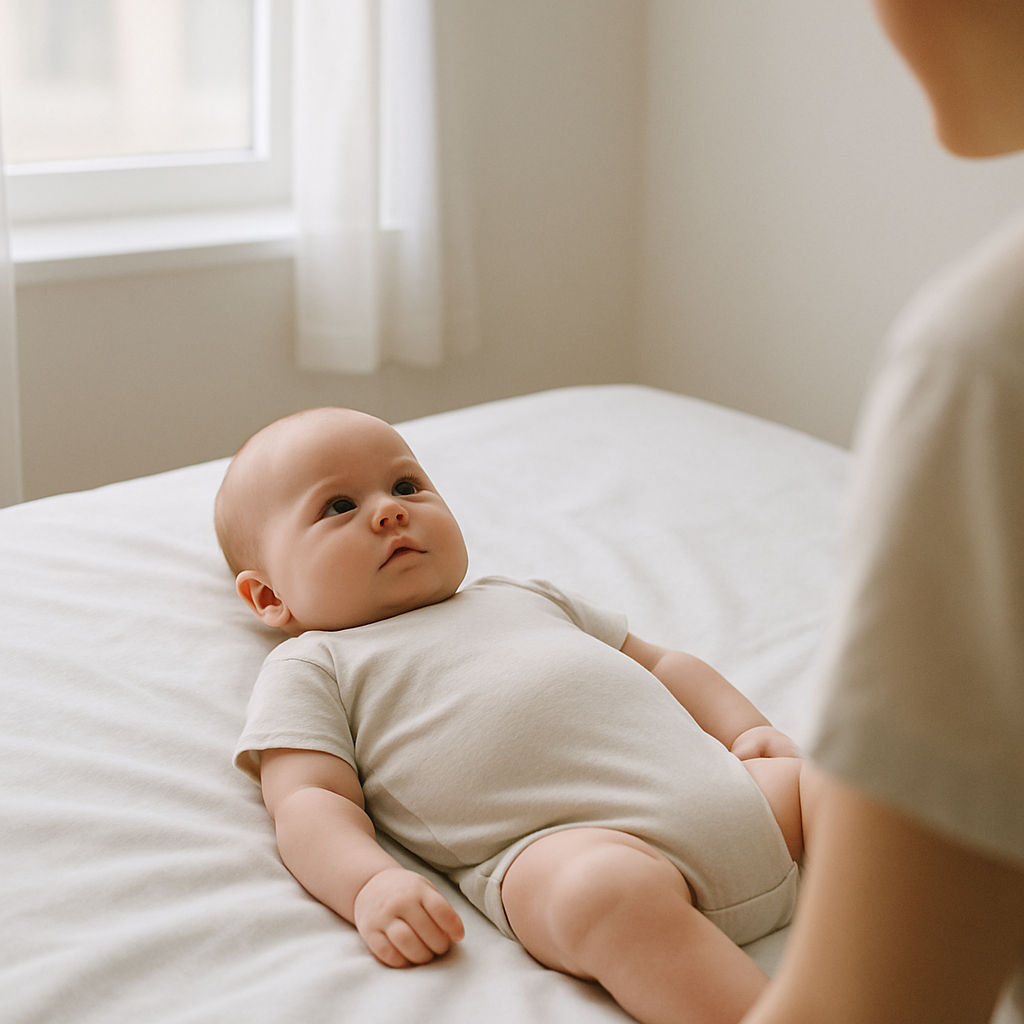
Getting a baby passport photo for residence permits in Europe sounds simple. It isn’t.
Adults can sit still, follow instructions, and fake a neutral expression for five seconds. Babies? They have their own agenda. One minute they’re calm, the next they’re twisting, blinking, or exploring their hands like it’s a brand-new discovery. And yet, European immigration offices expect that tiny photo to meet precise, uncompromising standards.
If you ask seasoned parents, they’ll tell you the same thing - the photo is often the most unexpectedly stressful part of the entire residence permit process.
Why Baby Passport Photos for European Residence Permits Are So Strict
European residence permits are serious documents. They are tied to biometric systems, border controls, and national security databases. That little picture of your infant? It’s part of an official identification record that may be used for years.
Sounds intense, right? It is.
Most EU countries follow similar biometric photo standards, though each nation can add small variations. The common requirements typically include:
- Neutral facial expression
- Eyes open and clearly visible
- Plain white or light background
- No shadows on face or backdrop
- Proper head positioning - centered and straight
- No visible hands, toys, pacifiers, or other objects
Now imagine applying all that to a three-month-old. Exactly.
Common Mistakes Parents Make
Even well-prepared families run into trouble. Immigration offices are known to reject photos for reasons that feel microscopic. A slight tilt. A faint shadow. A barely noticeable smile.
1. Background Issues
That soft cream wall at home? It might look white. It’s probably not white enough. European standards usually require a clean, uniform white or very light grey background without texture.
2. Supporting Hands in the Frame
Parents often hold the baby upright for support. Unfortunately, fingers sneaking into the frame are a common reason for rejection. Even a tiny thumb on the shoulder can invalidate the photo.
3. Shadows and Lighting Problems
Natural light is wonderful, but uneven lighting can cast soft shadows behind the baby’s head. Immigration authorities do not love artistic depth. They want flat, evenly lit clarity.
4. Incorrect Size or Cropping
Each country specifies exact measurements. For example:
- Germany typically requires 35mm x 45mm photos.
- France follows similar biometric sizing.
- Spain may request slightly adjusted head proportions.
The baby’s face must occupy a specific percentage of the frame. Too zoomed in? Rejected. Too small? Also rejected.
What Makes Baby Photos Different from Adult Photos
Here’s the interesting part. European authorities do allow some flexibility for infants - but not much.
For babies under one year old, slight variations in expression are often tolerated. A completely neutral face isn’t always realistic. However:
- Eyes must be open.
- The baby cannot be laughing broadly.
- The head must face forward.
- No visible support equipment.
Think of it like trying to photograph a cloud at exactly the right moment. The opportunity appears, then vanishes. Timing is everything.
Best Setup for a Baby Passport Photo at Home
Professional studios work, but many parents prefer doing it at home. It’s calmer. More flexible. And honestly, far less chaotic.
To get it right, preparation matters.
Choose the Right Background
Use a plain white sheet or blanket laid flat. Place the baby on their back if they can’t sit independently. Make sure the fabric is smooth and wrinkle-free.
Wrinkles create shadows. Shadows create problems.
Use Natural, Indirect Light
Position the setup near a window, but avoid direct sunlight. Bright overhead lighting can create harsh facial shadows under the chin or nose.
Soft, even light works best. Think bright but gentle.
Keep Clothing Simple
Dress the baby in plain clothes that contrast with the white background. Avoid white outfits - they blend into the backdrop. Avoid busy patterns - they distract from the face.
Remove Accessories
No hats. No headbands. No bows. Even if they look adorable. European biometric standards prioritize visibility over style.
Digital Tools That Make It Easier
Here’s a hot take - technology has quietly made this entire process less painful.
Online services now adjust sizing, remove backgrounds correctly, and align the baby’s head to meet official country-specific guidelines. Instead of guessing proportions, parents can upload a photo and let software handle the technical details.
One example is BabyPassportMaker.com, which specializes in baby passport and residence permit photos tailored to European standards. The platform automatically formats images to match the required dimensions for different countries.
It doesn’t replace careful photo-taking. But it removes the mathematical guesswork.
Country-Specific Differences Across Europe
Although EU countries align on many biometric rules, small differences can matter.
Germany
German residence permit photos must be strictly biometric. Head height must measure between 32mm and 36mm within a 35mm x 45mm photo. Precision is non-negotiable.
France
France demands high clarity and proper lighting. Even minor background inconsistencies may result in rejection.
Italy
Italian authorities follow EU biometric standards closely but can be strict about facial positioning and shadow control.
Spain
Spain may accept slight infant expression variation, yet still requires full facial visibility and symmetry.
Before submitting, always verify the specific country’s residence permit guidelines. A photo accepted in one nation might not pass in another.
How to Keep Your Baby Calm During the Photo
Calm babies equal better photos. That part is obvious. Achieving it? Less obvious.
Timing makes a difference. Try scheduling the photo:
- After feeding
- After a nap
- During their naturally alert hours
A tired or hungry infant rarely cooperates. A content one might give you that magical five-second window.
Some parents gently stand above the baby and make soft sounds to encourage eye contact with the camera. Nothing exaggerated. Just enough to capture attention.
Printing Requirements for Residence Permits
Even a perfect digital image can fail if printed incorrectly.
For European residence permits:
- Use high-resolution photo paper.
- Ensure correct dimensions without resizing by the printer.
- Avoid glossy reflections if prohibited by the country.
Blurry edges or pixelation can cause rejection. Immigration offices scan these images into biometric systems, so clarity is essential.
When to Use a Professional Studio
Sometimes, despite best efforts, the home setup doesn’t cooperate. Lighting is inconsistent. The baby refuses to look forward. Time is running out before an appointment.
In those cases, a professional studio familiar with European residence permit standards can be worth the investment. Photographers experienced with infant passport photography understand positioning tricks and lighting adjustments that parents may overlook.
That said, even studios occasionally misunderstand specific country rules. Always double-check dimensions and requirements before printing.
Final Thoughts on Baby Passport Photos for Europe
A baby passport photo for a European residence permit may be tiny, but its importance is enormous. It’s the gateway to legal status, healthcare registration, schooling, and travel freedom.
The process demands patience. Attention to detail. A bit of flexibility.
Parents who prepare properly - understanding country-specific requirements, using the right background, ensuring proper lighting, and leveraging digital tools when needed - dramatically reduce the risk of rejection.
Because let’s be honest. No one wants to reschedule an immigration appointment over a shadow the size of a coin.
Take the time. Get it right the first time. And turn that tiny photograph into a smooth step toward European residency.