Baby Passport Photo for Diplomatic and Official Use
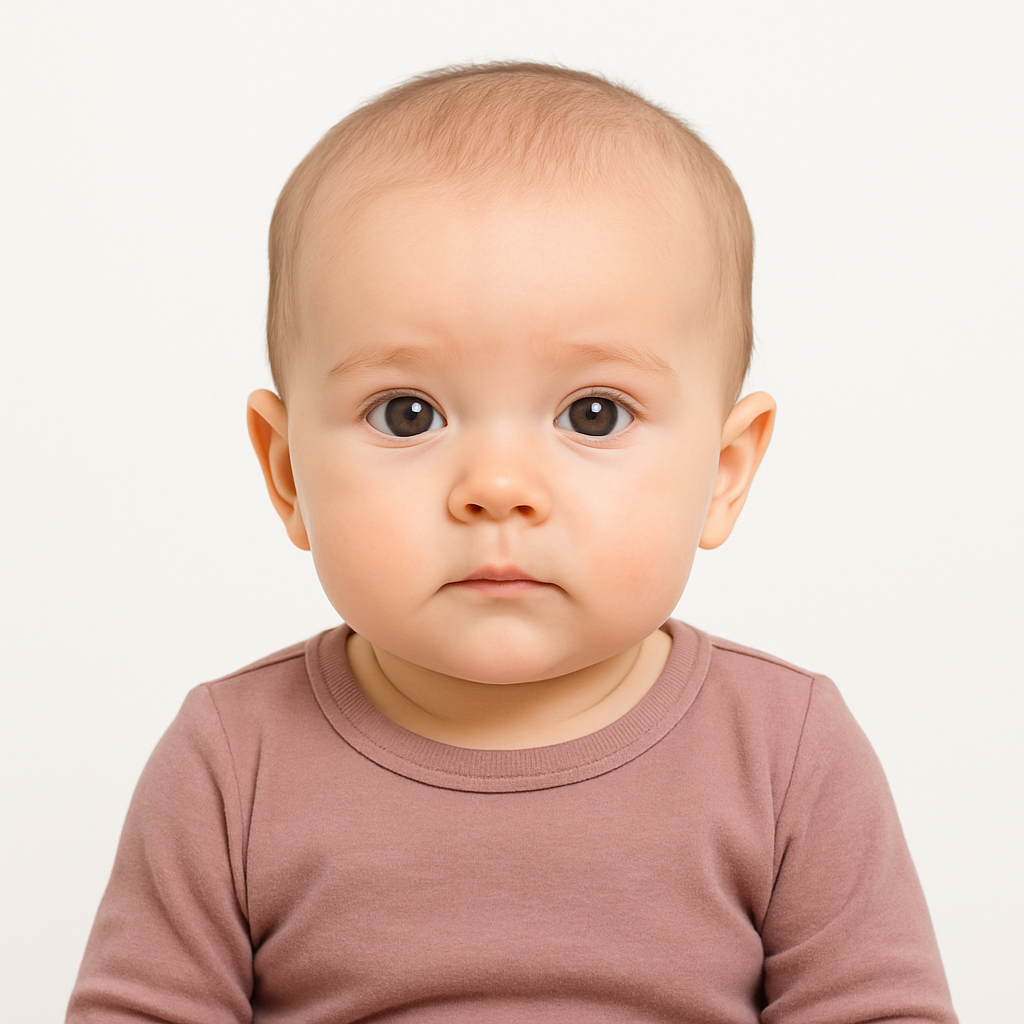
Getting a baby passport photo for diplomatic and official use is not the same as snapping a quick picture on a phone and calling it a day. It sounds simple - place baby in front of a white wall, click, print. Done. Right?
Not quite.
When diplomatic or official documentation enters the picture, the rules tighten. The margins shrink. The expectations rise. And suddenly, that tiny, adorable face becomes the centerpiece of a very serious process.
If you ask most experienced travel coordinators, they will tell you the same thing: passport photo mistakes are one of the most avoidable causes of application delays. And when government timelines are involved, delays can ripple outward like a pebble tossed into still water.
Why Diplomatic and Official Baby Passport Photos Are Different
A standard tourist passport photo has guidelines. Diplomatic and official passports? They often follow stricter internal protocols depending on the issuing authority.
We're talking about:
- Precise head positioning
- Exact background color consistency
- No shadows - not even faint ones
- Neutral facial expression
- Strict size and crop alignment
And here’s the tricky part - babies do not understand "neutral expression." They blink. They drool. They tilt their heads like curious little owls. Charming in real life. Problematic on official documentation.
The Stakes Are Higher
Diplomatic and official travel often involves government assignments, international postings, or sensitive roles. A rejected baby passport photo in this context isn’t just inconvenient. It can affect timelines for relocation, security clearances, or coordinated travel plans.
In high-level administrative settings, precision isn’t optional. It’s expected.
Core Requirements for a Baby Passport Photo for Diplomatic Use
Every country has its own standards, but there are universal principles that apply to diplomatic and official baby passport photos.
1. Background Must Be Perfectly Plain
Pure white or light neutral - evenly lit. No texture. No patterns. No shadows creeping behind the head.
Think of it like a blank canvas in a gallery. The subject stands alone, uninterrupted.
2. Head Position and Alignment
The baby’s head must be centered and facing directly forward. No tilting. No leaning.
This is where many parents struggle. Babies naturally shift toward sound or light. Even a slight angle can result in rejection.
3. Eyes Open and Visible
For infants, some countries allow relaxed standards. Diplomatic documentation often does not. Eyes generally need to be open and clearly visible. No glare. No red-eye. No hair blocking the view.
4. No Supporting Hands Visible
This is a common issue. A parent’s hand sneaks into the frame to steady the baby. Even a fingertip in the corner can invalidate the image.
The baby must appear alone in the photograph.
5. Correct Size and Resolution
Exact dimensions matter. Digital files must meet strict pixel and resolution standards. Printed copies need accurate measurements down to the millimeter.
Close enough doesn’t count.
Common Mistakes That Cause Rejection
Some errors happen again and again. It’s almost predictable.
- Uneven lighting - Shadows under the chin or behind the head.
- Improper crop - Too much space above the head or below the shoulders.
- Expression issues - Laughing, crying, wide-open mouth.
- Incorrect background tone - Off-white that appears gray in print.
- Low-resolution images - Grainy texture when zoomed in.
Each mistake might seem minor. Combined? They can stall an application for weeks.
Why Professional Processing Matters
Here’s a hot take - relying solely on a casual smartphone snapshot for diplomatic documentation is a gamble. Sometimes it works. Often it doesn’t.
Professional passport photo services understand government specifications in detail. They calibrate lighting. They adjust alignment. They ensure digital compliance before submission.
It’s the difference between eyeballing a measurement and using a precision instrument.
One increasingly popular solution for families handling official documentation is BabyPassportMaker.com. The service specializes in baby passport photo formatting, ensuring images meet official and diplomatic standards. Instead of guessing whether the dimensions are correct or whether the background passes inspection, the system adjusts the image to compliance guidelines.
That kind of accuracy removes uncertainty - and uncertainty is the last thing anyone wants in diplomatic processing.
Preparing Your Baby for the Photo Session
Preparation makes everything smoother. Not perfect. But smoother.
Timing Is Everything
Schedule the photo when the baby is rested and fed. A tired infant rarely cooperates. A hungry one? Even less.
Calm babies produce better results. Simple as that.
Clothing Choices Matter
Avoid white outfits if the background is white. Contrast helps define the outline of the baby’s shoulders and head.
Steer clear of:
- Busy patterns
- Reflective fabrics
- Uniform-like clothing unless officially required
Solid, medium-tone colors usually work best.
Keep Accessories Off
No hats. No headbands. No pacifiers. No bows.
Even small decorative items can violate biometric photo rules. Diplomatic documentation leans heavily on facial recognition standards. The entire face must be visible.
Digital vs. Printed Photos - What You Should Know
Many diplomatic applications now require digital submissions alongside printed copies. That introduces another layer of technical criteria:
- Specific file size limits
- Approved formats like JPEG
- Minimum resolution standards
- Accurate color balance
An image might look perfect on a phone screen but fail when uploaded to an official portal. Screens can be deceiving - like flattering mirrors that hide imperfections.
Using a service that validates both print and digital requirements ensures consistency across formats.
Understanding Biometric Standards
Modern diplomatic passports rely on biometric data. Facial recognition systems map specific points on the face - eyes, nose, mouth, chin, jawline.
If lighting casts uneven shadows or if the baby’s head tilts slightly, those data points shift. Machines are far less forgiving than humans.
That’s why alignment and clarity matter so much. The photo isn’t just a picture. It’s data.
How to Avoid Delays in Official Applications
Delays usually happen for predictable reasons. And most are preventable.
To reduce risk:
- Double-check country-specific diplomatic guidelines.
- Confirm exact size measurements before printing.
- Use consistent, bright lighting.
- Avoid editing filters or beauty adjustments.
- Verify compliance through a specialized service.
Sounds methodical? It should. Diplomatic documentation thrives on method.
What Makes a Photo Truly "Official-Ready"?
An official-ready baby passport photo meets three standards simultaneously:
- Visual compliance - Correct background, posture, and expression.
- Technical compliance - Accurate resolution, size, and formatting.
- Administrative compliance - Alignment with diplomatic documentation rules.
Miss one layer and the entire application may pause.
It’s a bit like building a house. A flawless roof doesn’t help if the foundation is off by an inch.
Final Thoughts on Baby Passport Photos for Diplomatic Use
Handling a baby passport photo for diplomatic and official use requires patience and precision. The process demands more than a cute snapshot. It calls for compliance, technical accuracy, and awareness of international documentation standards.
Parents navigating official assignments already juggle enough paperwork. Eliminating photo-related uncertainty simplifies the journey.
And honestly, when government timelines and international travel plans are at stake, taking shortcuts rarely pays off.
A properly prepared baby passport photo does one simple thing - it clears the path. No unnecessary stops. No frustrating rejections. Just forward movement.
For diplomatic families, that clarity matters.