Baby Passport Photo for Medical and Sports Visas
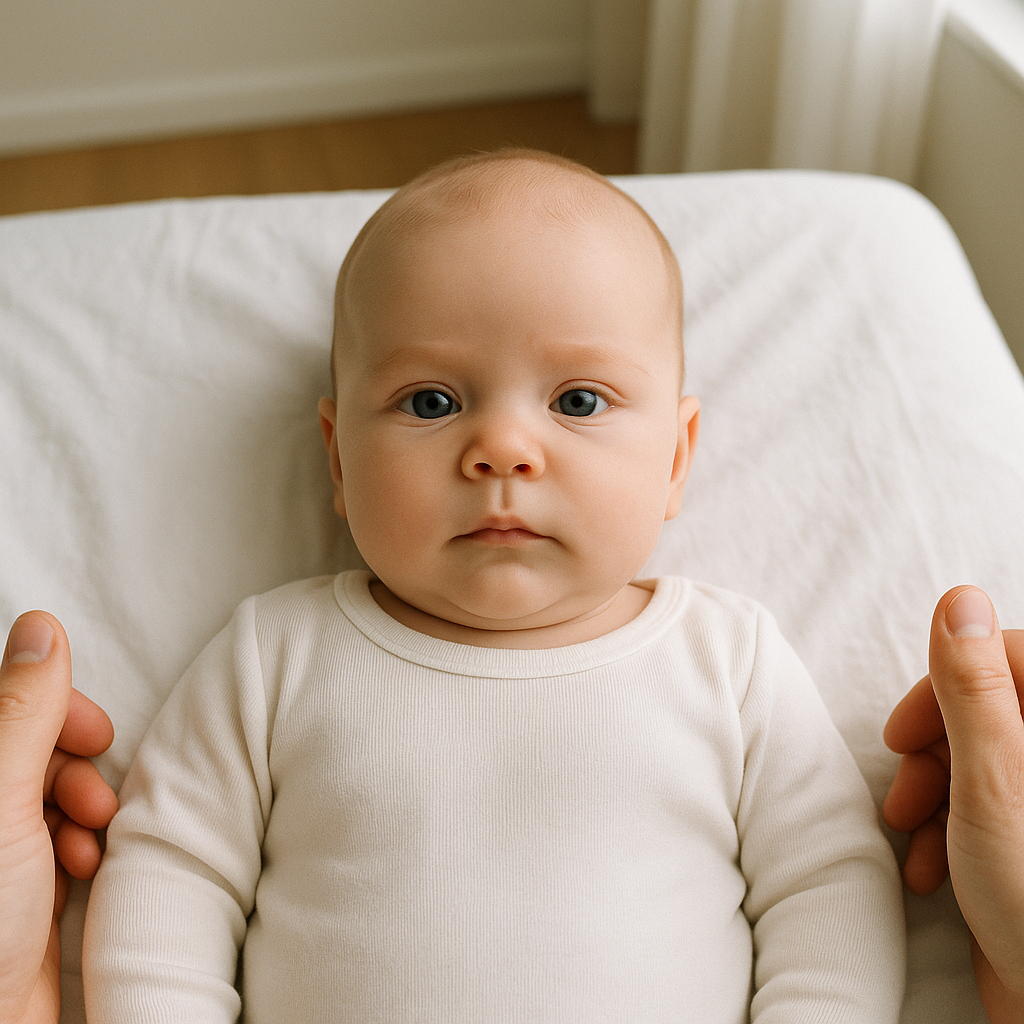
Getting a baby passport photo for medical and sports visas sounds simple. Until it isn’t.
Anyone who has tried photographing a wiggly six-month-old knows the truth - babies don’t pose, they perform. One minute they’re staring into space like a tiny philosopher. The next? Full meltdown. And when the goal is a government-approved image for international travel tied to medical treatment or competitive sports, the stakes feel oddly high.
If you ask seasoned parents, they’ll tell you this: infant visa photos are less about photography and more about timing, patience, and knowing the rules. Let’s break it down properly - without the fluff.
Why Medical and Sports Visas Require Precision
Not all visas are created equal. Medical and sports visas often involve strict documentation because they’re tied to:
- Specialized medical treatment abroad
- Participation in international tournaments
- Training programs and sports academies
- Rehabilitation or therapy programs
Authorities don’t just glance at documents. They scrutinize them. A rejected baby passport photo can delay treatment or prevent participation in an important event. That’s not something any parent wants to deal with.
And here’s the kicker - infant photo rules are strict even though babies obviously can’t sit upright or follow instructions. Sounds unfair, right? It’s just how the system works.
What Makes a Baby Passport Photo Different?
Photographing adults is straightforward. Neutral expression. Direct gaze. Plain background. Done.
With babies? Entirely different ballgame.
1. Neutral Expression - But Not Forced
For medical and sports visas, the baby must appear calm, eyes open, mouth closed if possible. No wide grins. No crying. No pacifiers.
That sweet gummy smile? Adorable. Also unusable.
2. Proper Head Position
The infant’s head must face the camera directly. No tilt. No leaning. No visible support hands.
Parents often try holding the baby from behind. Unfortunately, fingers showing in the frame can lead to rejection.
3. Plain Background
White or off-white. No patterns. No shadows.
A patterned blanket might look cute, but to immigration officers, it’s a compliance issue.
4. Lighting That Doesn’t Lie
Shadows under the chin? Problem. Overexposure on the forehead? Also a problem. The lighting should be even, natural-looking, and free of glare.
It sounds technical because it is.
Medical Visa Photo Requirements - What to Watch For
Medical visas often require absolute clarity since they’re connected to hospital admissions and specialist appointments. Documentation errors can slow everything down.
Here’s what typically matters:
- Recent photo - usually taken within the last six months.
- Correct dimensions based on destination country.
- No head coverings unless medically necessary.
- Full face visible without obstruction.
Have you ever noticed how tiny measurement differences can invalidate an entire application? A few millimeters off - and it’s back to square one.
Sports Visa Photo Rules - Similar but Sometimes Stricter
For sports visas, documentation is often tied to competition schedules. Deadlines matter. A lot.
Organizing committees and embassies may double-check identity details to match registration records. That means the baby’s face must be crystal clear and accurately represented.
No hats. No sports headbands. No themed outfits. Just a plain image that satisfies biometric standards.
It might feel overly formal for a tiny athlete, but that’s international travel bureaucracy in action.
The Real Challenge - Photographing a Baby at Home
Here’s where things get interesting.
Many parents assume they can snap a quick picture on their phone and print it. Technically? Yes. Realistically? It’s harder than it sounds.
A short scene captures it perfectly: A parent lays a white sheet on the floor. The baby rolls immediately. They try again during nap time. Eyes closed. Another attempt before feeding. Crying. Twenty photos later, none meet official standards.
Frustration builds fast.
Babies move constantly. Their expressions change in seconds. Even slight shadows can ruin an otherwise perfect shot. It becomes a strange mix of patience and persistence.
Professional Help - Is It Worth It?
Honestly, yes. Especially when medical or sports deadlines are involved.
Services like BabyPassportMaker.com specialize in compliant baby passport photo creation. They adjust images to meet exact country-specific requirements, ensuring sizing, background correction, and alignment match official guidelines.
Think of it like tailoring a suit. You could buy one off the rack and hope it fits. Or you can get it adjusted precisely to your measurements. Which option sounds safer when visas are on the line?
Common Mistakes Parents Make
Some errors show up again and again. Avoiding them can save time and stress.
- Using filtered smartphone photos
- Taking pictures in dim lighting
- Allowing shadows from overhead lights
- Submitting photos with visible hands
- Incorrect cropping or resizing
Each mistake might seem small. Combined, they can derail an application.
Tips for Getting the Perfect Infant Visa Photo
If attempting it at home, a few practical steps help:
- Use natural daylight near a window.
- Lay the baby on a plain white sheet.
- Stand directly above to avoid angles.
- Take multiple shots in quick succession.
- Check country-specific dimension requirements carefully.
Timing matters. Right after a nap and feeding tends to work best. Calm baby. Clear eyes. Minimal fuss.
But even with preparation, compliance isn’t guaranteed. That’s where specialized editing tools and expert review make a difference.
Why Accuracy Matters More for Babies
Adults can simply retake a photo if rejected. Babies grow and change quickly. A three-month delay means noticeable facial differences. That alone can complicate identity verification.
For medical travel, timing can impact treatment schedules. For sports participation, missing a competition window might mean waiting an entire season.
It’s not just about a picture. It’s about access.
Country-Specific Requirements - A Moving Target
Different countries set different rules for visa photography. Some demand 2x2 inches. Others require 35mm x 45mm. Background shades can vary slightly. Expression rules may differ.
Keeping track of those details feels like juggling while reading fine print. Miss one specification, and the application stalls.
This is why services focused on baby passport photo compliance often stay updated on global standards. Regulations change. Digital submission formats evolve. Staying current matters.
The Emotional Side No One Talks About
There’s an emotional layer here.
When a baby needs international medical care, parents already feel pressure. Adding documentation stress doesn’t help. The same goes for sports travel - excitement mixed with logistical overwhelm.
A properly prepared infant visa photo removes one variable from an already complex equation.
And sometimes that small win - one document approved without issues - feels huge.
Final Thoughts on Baby Passport Photos for Medical and Sports Visas
A compliant baby passport photo isn’t glamorous. It’s not frame-worthy. It won’t end up in a scrapbook.
But it plays a quiet, powerful role in opening doors - to hospitals, to stadiums, to opportunities across borders.
Parents navigating medical or athletic travel for their child already manage enough details. Getting the image right the first time simply makes the journey smoother.
Small photo. Big impact.