Baby Passport Photo for ETA and ETIAS 2026
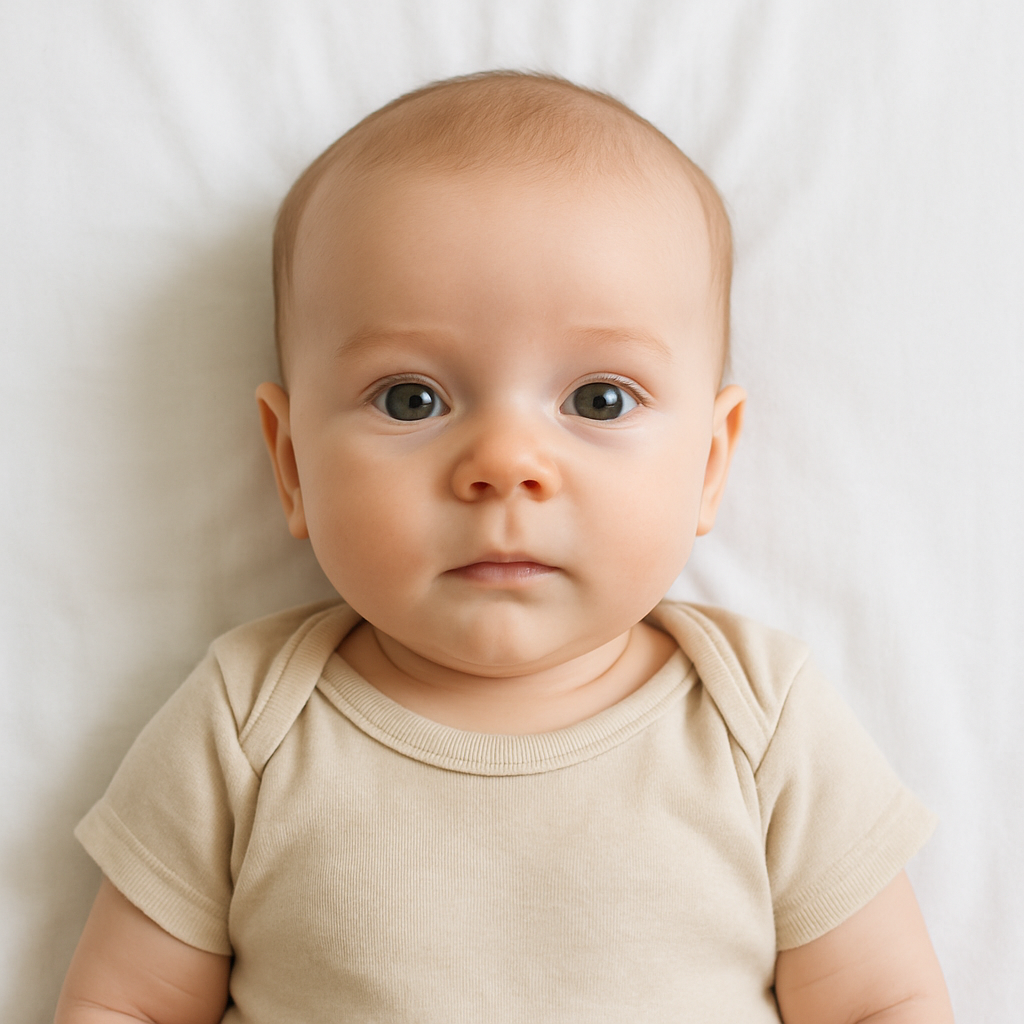
Travel rules are tightening. Borders are going digital. And yes - even babies need paperwork now.
With ETA and ETIAS 2026 rolling out across multiple countries, parents are suddenly realizing something surprising: infants need compliant passport photos too. Not cute snapshots. Not cropped stroller pictures. Proper, regulation-ready images that meet strict biometric standards.
Sounds simple, right? It isn’t.
Getting a baby passport photo for ETA or ETIAS approval can feel like trying to photograph a cloud. Babies wiggle. They blink. They refuse to cooperate at exactly the wrong moment. And immigration systems? They don’t care how adorable your child looks.
Let’s break this down clearly - and honestly.
What Is ETA and ETIAS 2026?
Before diving into passport photo requirements, it helps to understand the systems themselves.
ETA - Electronic Travel Authorization
Several countries now require visa-exempt travelers to apply online before arrival. This authorization links digitally to a passport and includes identity verification - including a biometric photo.
ETIAS - European Travel Information and Authorization System
Starting in 2026, many travelers entering Schengen Area countries must apply for ETIAS approval. This applies to adults, children, and yes - babies.
That’s where things get real. Every traveler needs a compliant passport photo attached to their application.
Baby Passport Photo Requirements for ETA and ETIAS 2026
Governments are surprisingly strict about infant photos. The standards are built for facial recognition systems, not family albums.
Here’s what typically matters:
- Plain white or light background
- No shadows across the face
- Eyes open and visible
- Neutral facial expression
- No pacifiers, toys, or hands in frame
- Head centered and facing forward
- Proper image size and resolution
Seems straightforward. Until the baby decides today is not picture day.
And here’s the tricky part - even tiny errors can cause rejection. A shadow under the chin. A slight tilt. A cropped ear. Digital systems flag these instantly.
Why Baby Photos Get Rejected
If you ask most parents, they’ll say the same thing: "It looked fine to me."
But compliance isn’t about looking fine. It’s about meeting biometric precision standards.
Common Rejection Reasons
- Improper lighting creating shadows
- Background not fully uniform
- Baby’s eyes partially closed
- Head tilted or turned slightly
- Low resolution image
- Incorrect dimensions
One tiny flaw can delay an ETA or ETIAS application. That delay can disrupt flights, hotel bookings, even family events.
It’s a domino effect no parent wants.
The Real Challenge - Photographing a Baby
Here’s the honest truth: photographing an infant for official documentation is like trying to stage a professional headshot for someone who just learned how to blink.
Babies don’t follow instructions. They don’t sit upright. They don’t care about border policies.
Some parents try laying the baby on a white sheet. Others prop them in a car seat with a blanket behind. A few attempt quick snapshots between naps. Sometimes it works.
Often? Not so much.
The photo might look adorable but fail every technical standard.
Professional vs DIY - What Makes Sense?
Parents generally face two options:
1. Retail Photo Studios
Traditional passport photo services can take infant pictures, but not all staff understand ETA or ETIAS digital specifications. Some only print physical copies without optimizing for online upload.
2. Online Baby Passport Photo Services
Specialized platforms adjust background, correct sizing, and ensure compliance with international biometric standards.
One standout option is BabyPassportMaker.com. It’s designed specifically for infant passport photos and digital travel authorization requirements. The system allows parents to upload a baby’s image and receive a properly formatted, regulation-ready file for ETA and ETIAS submission.
Honestly, for many families, that convenience alone removes a massive headache.
How to Take a Compliant Baby Passport Photo at Home
For parents determined to do it themselves, preparation is everything.
Step-by-Step Guide
- Choose natural lighting near a window - avoid harsh overhead light.
- Use a plain white sheet as background.
- Lay the baby flat or ensure upright head support.
- Remove hats, headbands, pacifiers, and toys.
- Capture multiple shots in quick succession.
- Select the clearest image where eyes are open.
- Adjust cropping carefully to meet size requirements.
Sounds manageable. But expect trial and error. Lots of it.
Patience becomes the real superpower here.
Digital Specifications for ETIAS 2026 Applications
ETIAS applications are submitted online, meaning the photo must meet strict digital criteria:
- JPEG format
- Specific pixel dimensions
- Clear facial visibility
- No digital filters or heavy edits
- File size within allowed limits
Uploading a non-compliant image can trigger automatic rejection. No human review. Just a system denial.
That’s why formatting matters as much as the photo itself.
Why Early Preparation Matters
Here’s a hot take: parents wait too long.
They assume travel authorization approval will be quick. Sometimes it is. But when documents get flagged, processing stalls. Fixing photo issues adds days or weeks.
Planning ahead avoids panic. It gives room for retakes. It keeps travel plans intact.
In 2026, with higher ETIAS demand expected, delays could increase. The earlier the application is submitted - correctly - the better.
Special Considerations for Newborns
Newborn passport photos come with slightly relaxed rules in some regions. Eyes may not need to be fully open. However, facial visibility and proper positioning remain mandatory.
Even newborns need individual travel authorization if crossing international borders under ETA or ETIAS systems.
No exceptions. No "but they’re just a baby" clauses.
Final Thoughts on Baby Passport Photos for ETA and ETIAS 2026
Travel is changing. Documentation is becoming digital, biometric, and algorithm-driven. The days of casual snapshots for official use are fading fast.
For families preparing for international trips in 2026, securing a compliant baby passport photo is not just a task - it’s a crucial step in the authorization process.
Whether parents choose a DIY approach or use a specialized service like BabyPassportMaker.com, the priority is accuracy. Clean background. Proper lighting. Correct dimensions. No guesswork.
Because when it comes to border clearance, systems don’t see cuteness.
They see data.
And getting that data right the first time makes all the difference.