Baby Passport Photo for Refugee and Stateless Travel
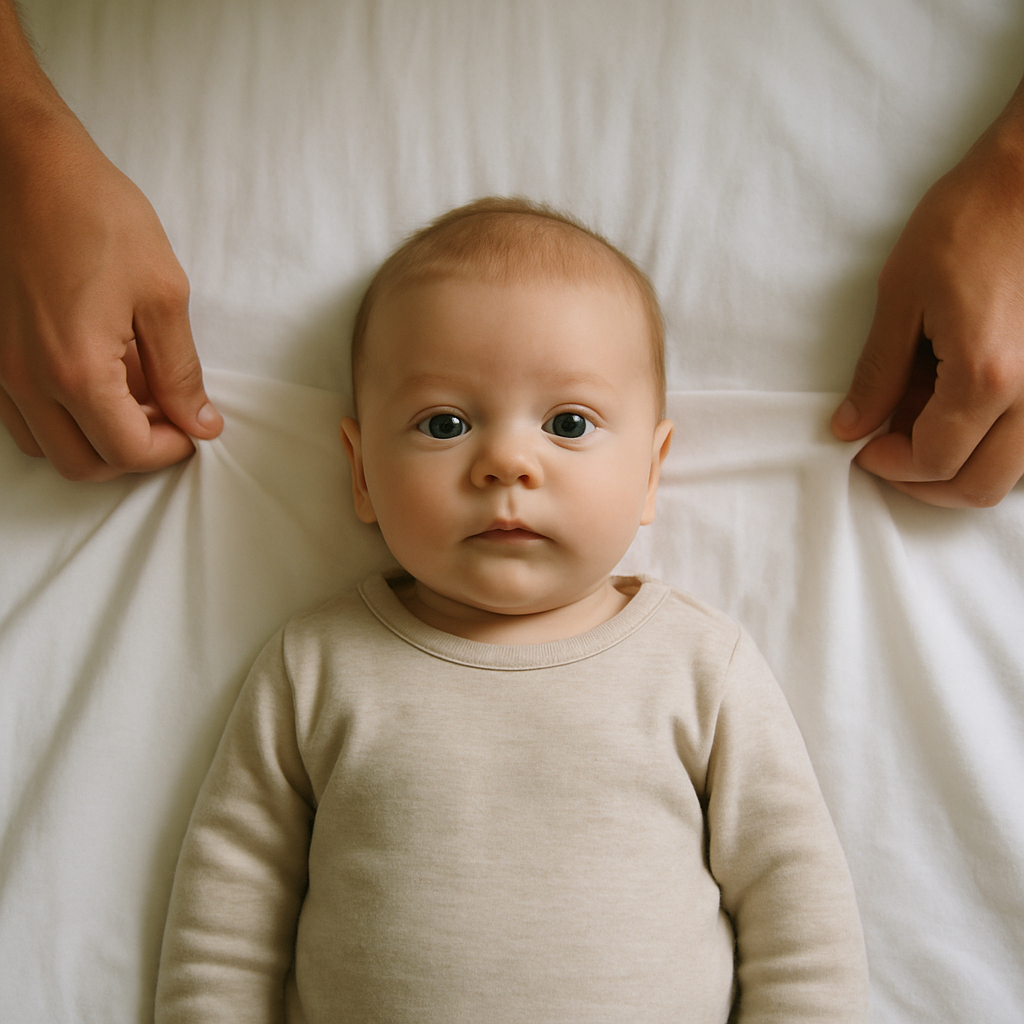
Getting a baby passport photo is usually a quick errand. A short trip to a studio. A few clicks. Done. But when the child is traveling under refugee status or is stateless, nothing feels simple. The stakes are higher. The rules are stricter. And the paperwork? It can feel like trying to solve a puzzle with missing pieces. This guide breaks it all down - clearly, honestly, and without sugarcoating the reality families face when arranging a baby passport photo for refugee and stateless travel. ## Why Baby Passport Photos Matter More in Refugee and Stateless Cases For most families, a passport photo is a formality. For displaced families, it is proof of identity. Proof of existence. Sometimes, it is the first official recognition that a child belongs somewhere in the world. Immigration authorities scrutinize every detail. A poorly taken image can delay: - Refugee travel documents - Stateless person travel permits - Emergency humanitarian visas - Family reunification processes And delays are not just inconvenient. They can mean missed relocation windows or extended stays in unstable conditions. That is why getting the baby passport photo right the first time is not optional - it is essential. ## Understanding Refugee and Stateless Travel Documents Before snapping a picture, it helps to understand what document the photo supports. ### Refugee Travel Document Issued under the 1951 Refugee Convention, this document allows recognized refugees to travel internationally when they cannot obtain a national passport. ### Stateless Travel Document Given to individuals not recognized as citizens by any country, this document serves as an official identity record. In both cases, the photo requirements often mirror standard passport rules - but authorities tend to be stricter during review. Why? Because identity verification is central to the application. ## Baby Passport Photo Requirements - What Actually Matters Many parents assume, "It is just a baby photo." That assumption causes problems. Here is what immigration offices typically expect: ### 1. Neutral Expression Yes, even for infants. - Eyes open if possible - Mouth closed - No exaggerated smiles Sounds unrealistic? It is. But officials still expect a clear, neutral look. ### 2. Plain Background Usually white or light cream. No patterns. No shadows. No crib rails sneaking into the frame. ### 3. Proper Head Position The baby’s head must face directly forward. No tilt. No profile angle. No parent hands visible. ### 4. No Accessories - No hats - No headbands unless religious and approved - No pacifiers ### 5. Correct Size and Resolution Each country specifies dimensions. For example: - 2x2 inches in the United States - 35mm x 45mm in many European countries Getting this wrong can mean automatic rejection. ## The Unique Challenges of Baby Passport Photos Anyone who has tried photographing a newborn knows the truth - babies do not follow instructions. They wiggle. They blink. They cry at the worst possible moment. Now imagine a parent already navigating asylum interviews, housing transitions, or legal uncertainty. Adding photography stress to that mix feels overwhelming. There was a caseworker who once described a father attempting twelve photo sessions in a week because each time the infant either turned away or clenched tiny fists in front of the face. Twelve. That is not stubbornness. That is desperation meeting exhaustion. ## Practical Tips for Taking an Infant Refugee Passport Photo Let’s make this manageable. ### Timing Is Everything Take the picture when the baby is: - Fed - Rested - Calm Avoid right before naps or feeding times. ### Use a Safe Setup Lay the baby on a plain white sheet. Smooth out wrinkles. Stand directly above for alignment. Or seat the baby in a car seat draped with white fabric. Safety first. Always. ### Check Lighting Natural daylight works best. Stand near a window. Avoid harsh shadows. No direct flash blasting into delicate eyes. ### Take Multiple Shots Do not rely on one image. Capture 20. Maybe 30. Digital storage is cheap. Reapplying for travel documents is not. ## Why Professional Tools Matter Here is a hot take - not all photo booths are created equal. Automated machines in shopping centers rarely account for infant proportions. The cropping can cut too low. Or too high. Or leave too much empty space. For refugee and stateless travel, precision matters. Online services like BabyPassportMaker.com help adjust sizing, background clarity, and alignment to meet official standards. Instead of guessing whether the photo fits guidelines, parents receive properly formatted images ready for submission. That peace of mind? Worth it. ## Common Mistakes That Cause Rejection Avoid these at all costs: 1. Visible parent hands holding the baby’s head 2. Shadow covering part of the face 3. Red-eye from flash 4. Cropped ears or chin 5. Incorrect dimensions Even small errors can trigger a request for resubmission. And every resubmission adds time. ## Emotional Weight Behind the Photo Let’s be honest - this is not just paperwork. For stateless families especially, a travel document may represent the first official identity a child receives. Think about that. A small square photo becomes a gateway. A key. A symbol that the child can cross borders legally, access services, reunite with relatives. It is a tiny rectangle with enormous meaning. ## How to Prepare Before Submitting the Application Preparation reduces stress. Consider this checklist: ### Documents to Double-Check - Birth certificate or alternative proof of birth - Refugee status recognition letter - Residency documentation - Parental identification ### Photo Verification Steps - Confirm exact size requirements - Ensure resolution meets minimum DPI - Print on high-quality photo paper if physical copies are required Do not assume standards are universal. Each country tweaks guidelines slightly. ## Digital vs. Printed Photos for Refugee Travel Some immigration departments now accept digital uploads. Others still require printed copies attached to forms. Digital submissions must meet: - File size limits - Specific pixel dimensions - Neutral color balance Printed versions must avoid smudges, bends, or low-quality paper. When in doubt, check the official immigration website or consult a legal advisor supporting the case. ## Special Considerations for Newborn Refugees Newborns present additional challenges. They cannot hold their heads upright. Their eyes may not fully open yet. Skin tone can appear uneven in early weeks. Authorities generally allow slight flexibility for infants under one year old, but the photo must still clearly show facial features. No heavy editing. No filters. No digital smoothing. Authenticity matters. ## What Happens If the Photo Is Rejected? It happens more often than people think. The application may be: - Put on hold - Returned for correction - Delayed pending clarification In refugee contexts, that delay can disrupt travel scheduling arranged by resettlement agencies. That is why many advocates recommend verifying the image before submission rather than hoping it passes inspection. ## Final Thoughts on Baby Passport Photo for Refugee and Stateless Travel A baby passport photo might look simple. It is not. Behind that image sits a story of displacement, resilience, and hope for stability. The photo must meet technical standards, yes - but it also carries symbolic weight. Getting it right means fewer delays, fewer obstacles, and one less administrative barrier in an already complex journey. Parents navigating refugee or stateless status already face enough uncertainty. The photo process should not add unnecessary frustration. With proper preparation, attention to detail, and reliable formatting support, families can move forward with confidence. And sometimes, moving forward - even by one carefully measured photograph - makes all the difference.