Baby Passport Photo for ID Cards and National IDs
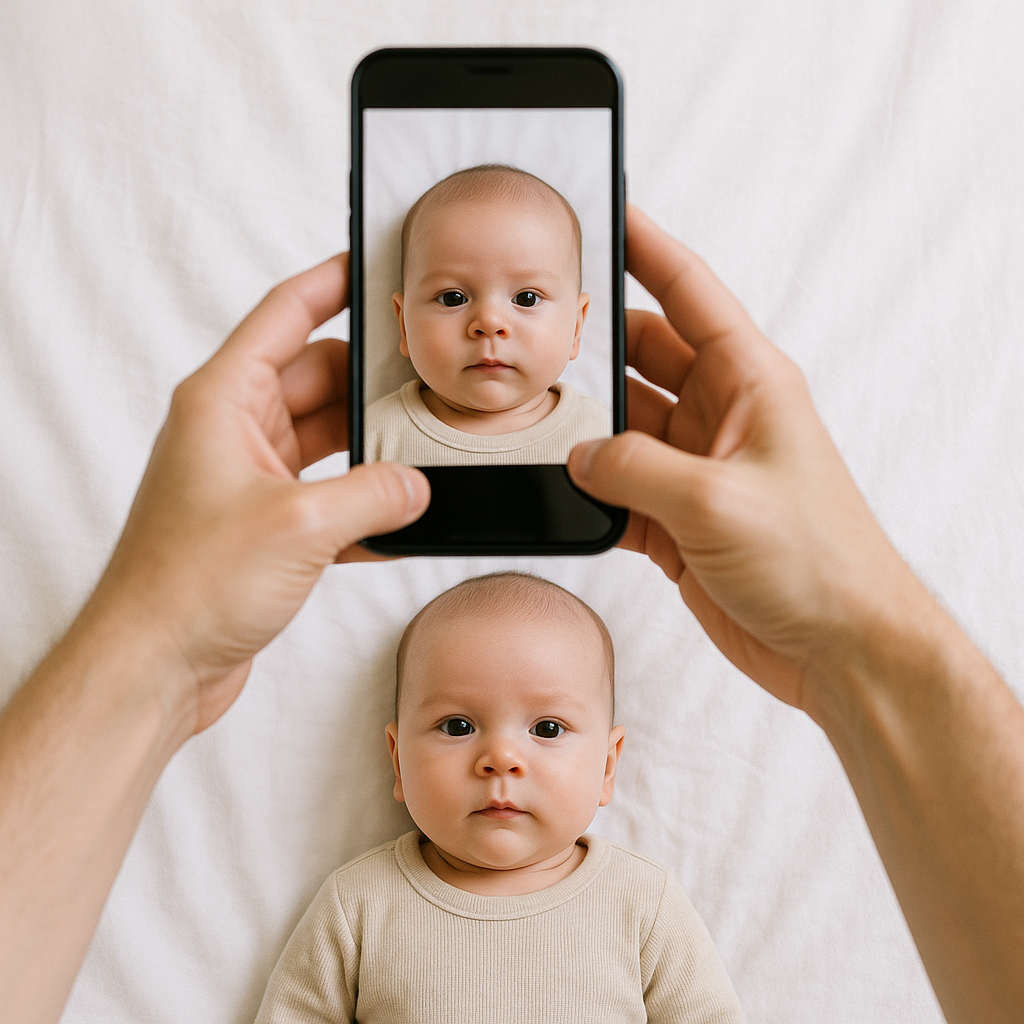
Getting a baby passport photo for ID cards and national IDs sounds simple. It isn’t. Anyone who has ever tried to photograph an infant knows the truth - babies operate on their own schedule. They blink when you click. They wiggle when you need stillness. They stare anywhere except the lens. And yet, governments expect a perfectly centered, regulation-compliant image that meets strict biometric standards. Sounds impossible? It doesn’t have to be. This guide breaks down exactly how baby passport photos work, what requirements matter most, and how parents can avoid common mistakes. Because when it comes to official identification, there’s no room for guesswork.
Why Baby Passport Photos Matter More Than You Think
It’s easy to assume that because babies change quickly, the rules might be relaxed. Not quite. National IDs, passports, and other government-issued documents rely on biometric photos. Even for infants. These images are used for:
- Identity verification at borders
- Government record accuracy
- Preventing fraud or identity confusion
- Creating long-term documentation trails
If the photo doesn’t meet official guidelines, the application can be delayed or rejected. That means resubmitting forms, paying extra fees, and waiting again. No parent wants that headache.
Official Requirements for Baby Passport Photos
Here’s where things get technical - but stay with it. While specific rules vary by country, most national ID and passport systems share common requirements.
1. Neutral Background
The background must be plain - usually white or light gray. No patterns. No shadows. No crib rails sneaking into the frame. That adorable nursery wallpaper? Not allowed.
2. Proper Head Position
The baby’s head must be centered and facing forward. Both eyes visible. No tilting. For newborns who can’t support their head, parents often lay them flat on a white sheet. It works - if done carefully.
3. Neutral Expression
Yes, even for babies. No wide-open laughing mouth. No exaggerated frowns. Ideally, the baby looks calm with a relaxed face. Is that realistic every time? Of course not. But it’s the goal.
4. Eyes Open
For most countries, infants should have eyes open and clearly visible. No red-eye. No glare. Newborn exceptions sometimes apply, but it’s safer to aim for open eyes whenever possible.
5. No Accessories
No hats. No headbands. No pacifiers. No visible hands holding the baby upright. This is where many applications fail - a parent’s finger peeks into the corner of the frame. Rejected.
Common Mistakes Parents Make
Let’s be honest. Taking a compliant baby passport photo at home can feel like trying to photograph a moving cloud. Here are the most frequent issues:
- Incorrect lighting - harsh shadows behind the head.
- Improper crop size - too zoomed in or too far out.
- Wrong dimensions - not matching official measurements.
- Visible support - adult hands, pillows, car seats.
- Facial obstruction - hair covering eyes.
Each mistake seems small. But together, they derail the entire application process.
Should Parents Take the Photo at Home?
Here’s the big question. Is DIY worth it? On one hand, smartphones today have powerful cameras. On the other hand, official biometric standards are strict. Very strict. If parents choose the DIY route, they must:
- Use natural lighting near a window
- Place the baby on a flat white surface
- Shoot from directly above
- Ensure even light distribution
- Double-check size specifications
Miss one detail, and the process starts over. Honestly, many families prefer a digital solution that checks compliance automatically. It removes the uncertainty.
Online Solutions for Baby Passport Photos
This is where modern tools change everything. Services like BabyPassportMaker.com allow parents to upload a photo and automatically adjust it to meet national ID and passport standards. Why does that matter? Because biometric alignment, background correction, and sizing aren’t guesswork anymore. The platform ensures:
- Correct dimensions for specific countries
- Background refinement
- Compliance verification
- Instant digital download
Instead of driving to a studio with a fussy infant, parents can handle the process from home. Efficient. Simple. Less stress.
How to Prepare a Baby for a Passport Photo
Preparation changes everything. A calm baby equals a better photo. That’s just reality. Here’s what helps:
Time It Right
Schedule the photo after feeding and nap time. A rested infant is far more cooperative.
Dress Smart
Choose simple clothing in darker tones. Avoid white outfits that blend into the background.
Keep the Area Quiet
Too much stimulation leads to wide-eyed distraction. Soft, calm surroundings work best.
Take Multiple Shots
Don’t rely on one photo. Capture several frames in quick succession. Digital storage is free. Reapplications are not.
National ID vs Passport Photo - Is There a Difference?
Good question. In many countries, passport and national ID photo requirements overlap. However, subtle differences may exist in:
- Exact dimensions
- Head-to-frame ratio
- File size for digital uploads
- Background shade tolerance
Assuming they’re identical can lead to rejection. Always verify specifications before submission.
Why Accuracy Matters for Future Identification
It might seem odd to worry about a passport photo for a newborn who barely holds their head up. But here’s the thing - identification systems are long-term databases. That early image becomes part of official records. Biometric software maps facial proportions, even in infancy. A compliant photo ensures smoother processing now and fewer complications later. Think of it like laying the foundation of a house. You don’t see it once the structure stands tall. But if it’s crooked? Everything built on top feels unstable.
Digital Convenience Is Changing the Process
Not long ago, parents had two options - professional studio or pharmacy photo counter. Both required travel. Both required perfect timing. Now, online services simplify the entire experience. The advantages are clear:
- No appointment scheduling
- No waiting rooms
- Instant corrections
- Country-specific compliance
Technology doesn’t replace regulations. It just makes meeting them easier.
Final Thoughts on Baby Passport Photos for ID Cards
A baby passport photo for ID cards and national IDs isn’t just a snapshot. It’s an official biometric record. That distinction matters. Parents often underestimate how strict the guidelines can be. Tiny details make a big difference - head alignment, lighting, background consistency. Handled correctly, the process is straightforward. Handled casually, it becomes frustrating fast. For families seeking accuracy without studio visits, platforms like BabyPassportMaker.com provide a practical solution tailored to national standards. Because when it comes to official documentation, close enough isn’t good enough. And when dealing with babies? Efficiency isn’t just helpful. It’s sanity-saving.