Baby Passport Photo for US Green Card and Diversity Visa
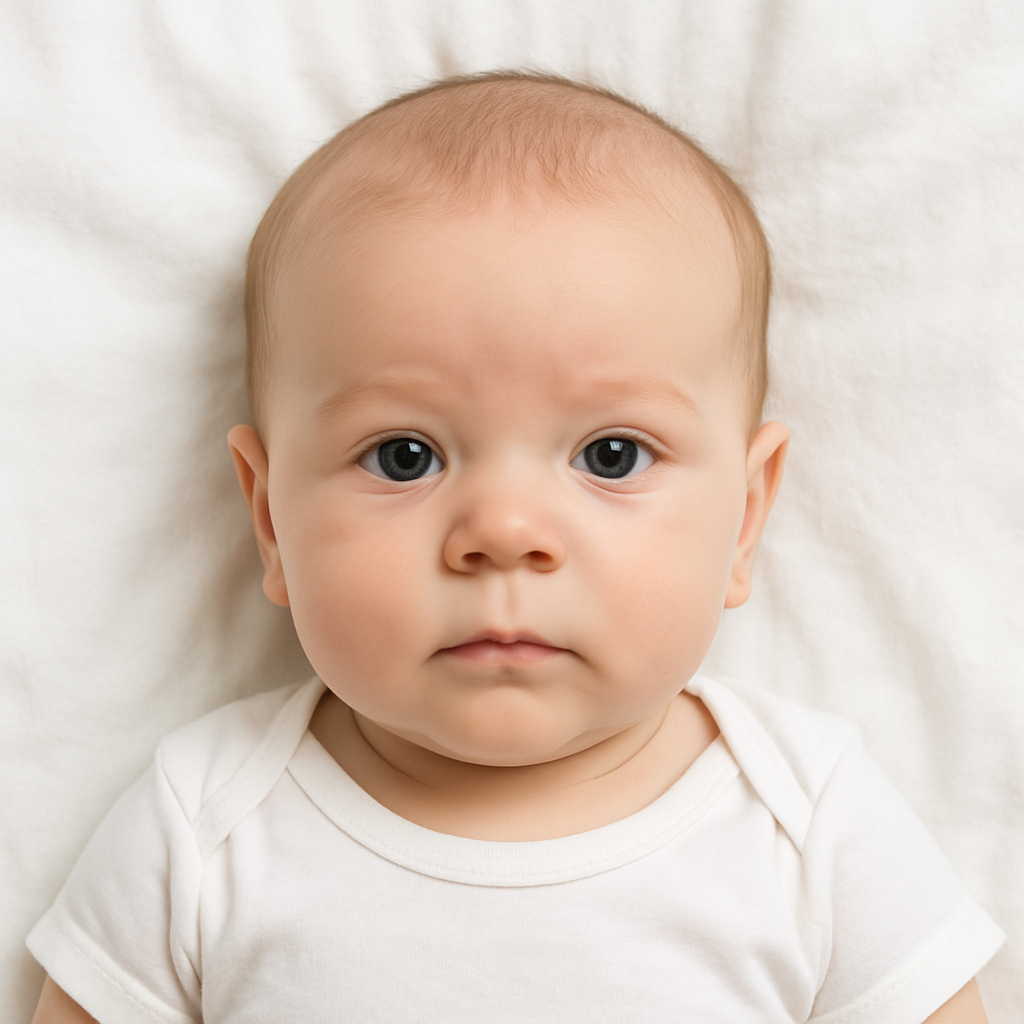
Applying for a US Green Card or entering the Diversity Visa Lottery is stressful enough. Paperwork. Deadlines. Background checks. And then - just when everything feels neatly stacked - the baby passport photo requirement shows up. Sounds simple, right? It’s not. A baby passport photo for US Green Card and Diversity Visa applications follows strict biometric rules. One tiny shadow. One crooked head tilt. One suspicious pacifier. Denied. And nobody wants their immigration journey stalled because an infant decided to wiggle at the wrong moment. This guide breaks it all down clearly, practically, and honestly. No fluff. Just what actually matters.
Why Baby Passport Photos Matter for US Immigration
When submitting documents for a Green Card or Diversity Visa (DV Lottery), photos are not decorative attachments. They are biometric identifiers. Immigration systems scan facial proportions, eye placement, and head positioning with software that’s far less forgiving than your family camera roll. Here’s the reality: babies don’t cooperate with technical standards. But USCIS and the Department of State still expect perfection. That’s where many families stumble.
Green Card vs. Diversity Visa Photo Requirements
The good news? The photo standards for a US Green Card and the Diversity Visa program are nearly identical. Both require:
- 2 x 2 inches (51 x 51 mm)
- White or off-white background
- Full face visible
- Neutral expression
- Eyes open
- No shadows
- No objects, hands, or toys visible
For infants, flexibility exists - but only slightly. No smiling with wide giggles. No adorable tilted head poses. And definitely no parent fingers sneaking into the corner of the frame.
US Baby Passport Photo Requirements - What Trips People Up
If you ask most parents what went wrong, they’ll say something like, "The photo looked fine on my phone." That’s the trap. Phone screens forgive. Government scanners do not. Here’s what commonly causes rejection:
1. Shadows Behind the Head
Even a faint gray halo can trigger a rejection. Babies lying on blankets often create subtle shadows under the chin or behind the ears. Fix: Use soft, even lighting from both sides. Natural daylight near a window works best.
2. Eyes Not Fully Open
Immigration photos require visible pupils. Half-blinks don’t pass. Quick tip - take multiple shots in burst mode.
3. Visible Support
Parents sometimes hold the baby upright. Logical. Practical. Rejected. Hands must not appear in the image. Not even partially.
4. Incorrect Head Size
The head must measure between 1 inch and 1 3/8 inches from chin to crown. That precision matters more than people realize. Sounds obsessive? It is. But it’s also non-negotiable.
How to Take a Baby Passport Photo at Home
Professional studios can work - but many struggle with infants. Crying. Rolling. Refusing to sit upright. Taking the photo at home can actually be easier. Here’s how to do it correctly:
Step 1 - Choose the Right Setup
Lay the baby flat on a white sheet or plain blanket. Make sure it’s smooth. Wrinkles create shadows. Alternatively, place the baby in a car seat covered with white fabric. Ensure no padding or straps show.
Step 2 - Use Balanced Lighting
Natural daylight is your best friend. Avoid overhead lighting that creates harsh shadows under the nose or chin. Think soft, even illumination - like a cloudy afternoon.
Step 3 - Keep the Face Neutral
This one is tough. No exaggerated expressions. No open mouth if possible. The baby doesn’t need a serious expression - just calm. Sometimes the best photo happens in the split second between fussing and smiling.
Step 4 - Take Many Photos
Don’t rely on one perfect shot. Take 30. Maybe 50. Digital storage is cheap. Immigration delays are not.
Digital Photo Requirements for Diversity Visa Entry
For the DV Lottery, digital formatting becomes even more critical. The image must:
- Be square (600 x 600 pixels minimum)
- Be in JPEG format
- Be under 240 KB
- Have proper color balance
- Not be digitally altered
Cropping mistakes are common here. Stretching or compressing the image distorts facial proportions, which can cause automatic disqualification. Yes, automatic.
Should You Use a Professional Service?
Here’s a hot take: sometimes DIY works beautifully. Other times it creates unnecessary stress. Services like BabyPassportMaker.com specialize in baby passport photo formatting for US immigration requirements. They adjust head size, verify background color, and ensure compliance with Green Card and Diversity Visa standards. That kind of precision can be the difference between approval and resubmission. For families already navigating immigration paperwork, outsourcing this small but technical step often feels like a relief.
Common Questions About Baby Passport Photos for US Immigration
Can a Baby Smile?
A slight natural expression is acceptable. Wide grins showing gums or teeth are risky.
Can the Baby’s Eyes Be Closed?
No. Eyes must be open and visible.
Can a Newborn Be Lying Down?
Yes, as long as the head is centered and no shadows appear.
Can the Baby Wear a Headband?
Generally no, unless for religious reasons. Even then, it cannot obscure facial features.
What Happens If the Photo Is Rejected?
This is where things get frustrating. For a Green Card application, USCIS may issue a Request for Evidence (RFE). That means delays. Weeks, sometimes months. For the Diversity Visa Lottery, rejection can mean outright disqualification. No second chance that year. Imagine preparing documents for months, only to miss an opportunity because of a shadow behind a tiny ear. Painful.
Checklist Before Submitting Your Baby Passport Photo
Before uploading or mailing the image, review this quick checklist:
- Is the background plain white?
- Are both eyes open?
- Is the baby centered?
- Is the head size within official measurements?
- Are there zero visible hands or objects?
- Is the digital file correctly sized?
If any answer feels uncertain, double-check.
Why Precision Matters More Than You Think
Immigration systems rely on facial recognition technology. Think of it like airport security - automated, strict, and indifferent to good intentions. The baby passport photo becomes part of a permanent immigration record. It connects future biometric data. It supports identity verification at consulates and borders. So while it may feel like "just a baby photo," it carries long-term importance. Small detail. Big impact.
Final Thoughts on Baby Passport Photos for Green Card and Diversity Visa
Preparing a baby passport photo for a US Green Card or Diversity Visa application requires patience and precision. The standards are technical, sometimes frustrating, occasionally rigid. But they are manageable. With proper lighting, careful positioning, and attention to digital formatting, families can meet the requirements confidently. And for those who prefer expert verification, specialized tools and services simplify the process. In immigration journeys, momentum matters. Every correctly submitted document moves the process forward. A compliant baby passport photo may seem like a tiny step. It isn’t. It’s the quiet foundation beneath everything that follows.