Baby Passport Photo for Visa on Arrival Countries
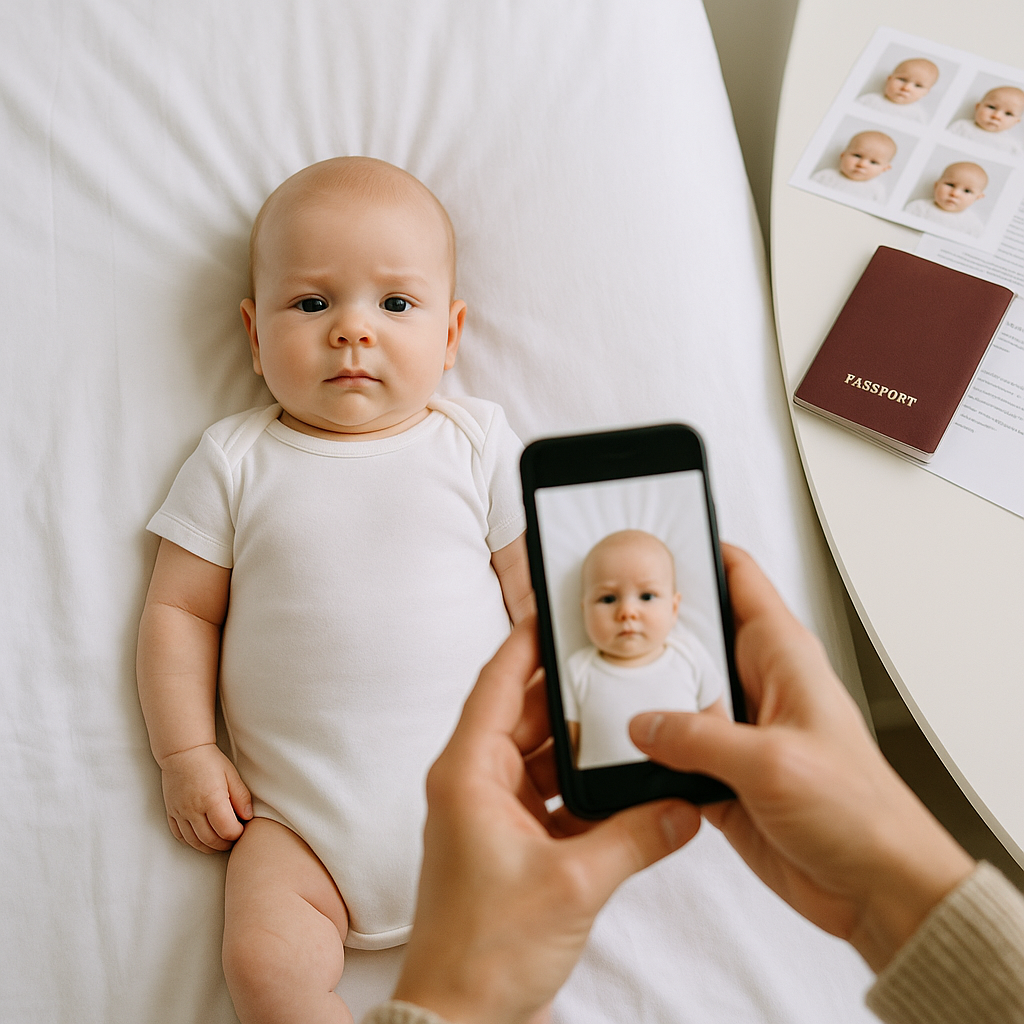
Traveling with a baby sounds adorable in theory. Tiny sunglasses. Mini backpacks. Those first stamps in a brand-new passport. Then reality hits. Airports are loud. Babies are unpredictable. And visa on arrival countries? They still demand one very serious thing - a compliant baby passport photo. If someone thinks immigration officers will overlook a blurry, shadow-filled snapshot because "it’s just a baby," think again. Border control doesn’t operate on cuteness. This guide breaks down exactly how to get a baby passport photo for visa on arrival countries done right the first time - without stress, drama, or last-minute airport panic.
Do Visa on Arrival Countries Require Baby Passport Photos?
Short answer? Yes. Longer answer? Absolutely yes. Visa on arrival means travelers receive a visa once they land in a destination country. But here’s the catch - immigration still requires documentation, and that usually includes passport-sized photos for visa processing. For babies and infants, the rules don’t magically soften. Most visa on arrival countries require:
- A valid passport
- Completed visa forms
- Passport-sized photographs
- Proof of onward travel
- Accommodation details
That tiny human needs the same level of compliance as every adult in line. Sounds strict? It is. Immigration systems run on precision.
Why Baby Passport Photos Get Rejected
Here’s where things get tricky. Infant passport photos aren’t difficult because of the technical specs. They’re difficult because babies don’t take direction. They wiggle. They blink. They decide mid-photo that now is the perfect time to cry. Common reasons baby passport photos get rejected include:
1. Shadows on the Face or Background
Lighting matters. A lot. Even a faint shadow behind the baby’s head can cause rejection.
2. Incorrect Background
Most visa on arrival countries require a plain white or off-white background. Not cream. Not patterned. Not "close enough."
3. Eyes Closed or Looking Away
For newborns, some countries allow slightly relaxed rules. But generally, eyes should be open and visible.
4. Parent Hands Visible
This one happens constantly. A supporting hand creeping into the frame equals automatic rejection.
5. Wrong Dimensions
Different countries require different photo sizes. 2x2 inches. 35x45 mm. Sometimes very specific head-to-frame ratios. It’s not about perfection. It’s about compliance.
Understanding Photo Requirements for Visa on Arrival
Every country sets its own standards, but most baby passport photo requirements include:
- Neutral facial expression
- Eyes open and visible
- No pacifiers or toys
- No hats or headbands (unless medically required)
- High-resolution image
- Plain white background
Think of the passport photo like a biometric blueprint. Immigration systems scan proportions and facial positioning. Even for babies. If someone assumes a casual smartphone snapshot will always work, they’re gambling with travel plans.
How to Take a Compliant Baby Passport Photo at Home
Here’s a hot take - parents don’t need a professional studio to get this right. They need good lighting. Patience. And the correct guidelines.
Step-by-Step Process
- Choose the Right Time
Photograph the baby after feeding and nap time. Calm baby equals better photo. - Use Natural Light
Position near a window. Avoid harsh overhead lights that create shadows. - Lay the Baby on a White Sheet
For newborns, this works beautifully. Ensure fabric is smooth. - Stand Directly Above
Keep the camera parallel to the face - not angled. - Remove Accessories
No bows, no clips, no pacifiers. - Take Multiple Shots
More than you think you need. Trust that instinct.
Still, editing dimensions and aligning head position can feel like solving a geometry puzzle at midnight. That’s where tools like BabyPassportMaker.com come in. The service adjusts sizing, ensures proper spacing, removes background imperfections, and formats images according to country-specific visa requirements. Instead of guessing, parents upload. The system handles compliance. Simple.
Country-Specific Differences Matter
Not all visa on arrival countries follow identical rules. For example:
- Some Asian countries require 4x6 cm photos.
- Several African nations request two physical copies.
- Certain destinations allow slightly relaxed infant eye rules.
- Others demand strict symmetry and head centering.
Here’s the thing - assuming "one size fits all" is like bringing a house key to open every door on your street. It won’t work. Parents should always verify the specific visa on arrival photo requirements for their destination before printing copies.
Digital vs Printed Baby Passport Photos
Some visa on arrival systems accept digital uploads. Others require physical prints handed over at the airport. That difference matters.
When Digital Photos Are Required
- Online pre-arrival visa applications
- eVisa systems
- Airline documentation portals
When Printed Copies Are Needed
- Airport visa counters
- Manual application forms
- Entry points without digital systems
Smart travelers prepare both. Why risk standing in a foreign airport searching for a photo booth?
How Many Baby Passport Photos Should Parents Bring?
More than one. If a country requests one photo, bring at least three. Lost paperwork happens. Ink smudges happen. Immigration officers sometimes ask for extras. Travel planning works best with buffers. Extra copies weigh nothing and save everything.
What Makes BabyPassportMaker.com Different?
There are countless generic photo apps online. But infant documentation requires nuance. BabyPassportMaker.com focuses specifically on baby passport and visa photo compliance. That specialization matters. Features include:
- Country-specific sizing templates
- Automatic background correction
- Head positioning adjustments
- Instant downloadable high-resolution files
- Print-ready formatting
It removes guesswork. And guesswork is the enemy of smooth international travel.
Common Myths About Baby Visa Photos
Let’s clear a few things up.
"They’re too young. Rules don’t apply."
They do.
"A quick crop fixes everything."
Not if proportions are off.
"Immigration will adjust it for us."
No, they won’t. Visa officers aren’t graphic designers.
Final Checklist Before Traveling
Before heading to a visa on arrival country with a baby, confirm:
- Passport validity meets minimum requirements
- Correct baby passport photo size
- Printed copies packed in carry-on
- Digital backup stored securely
- Destination-specific visa guidelines reviewed
Preparation feels boring. Until it saves a trip. Traveling with a baby already requires strategic packing, snack timing, and patience that rivals a chess grandmaster. The passport photo shouldn’t be the weak link. When done correctly, it becomes just another checked box. And honestly, isn’t that the goal? Smooth entry. No surprises. Just stepping off a plane into a new country with nothing but adventure ahead - and maybe a slightly sleepy baby in your arms. That’s how international travel should begin.