Baby Passport Photo Mouth Open Rules for Infants
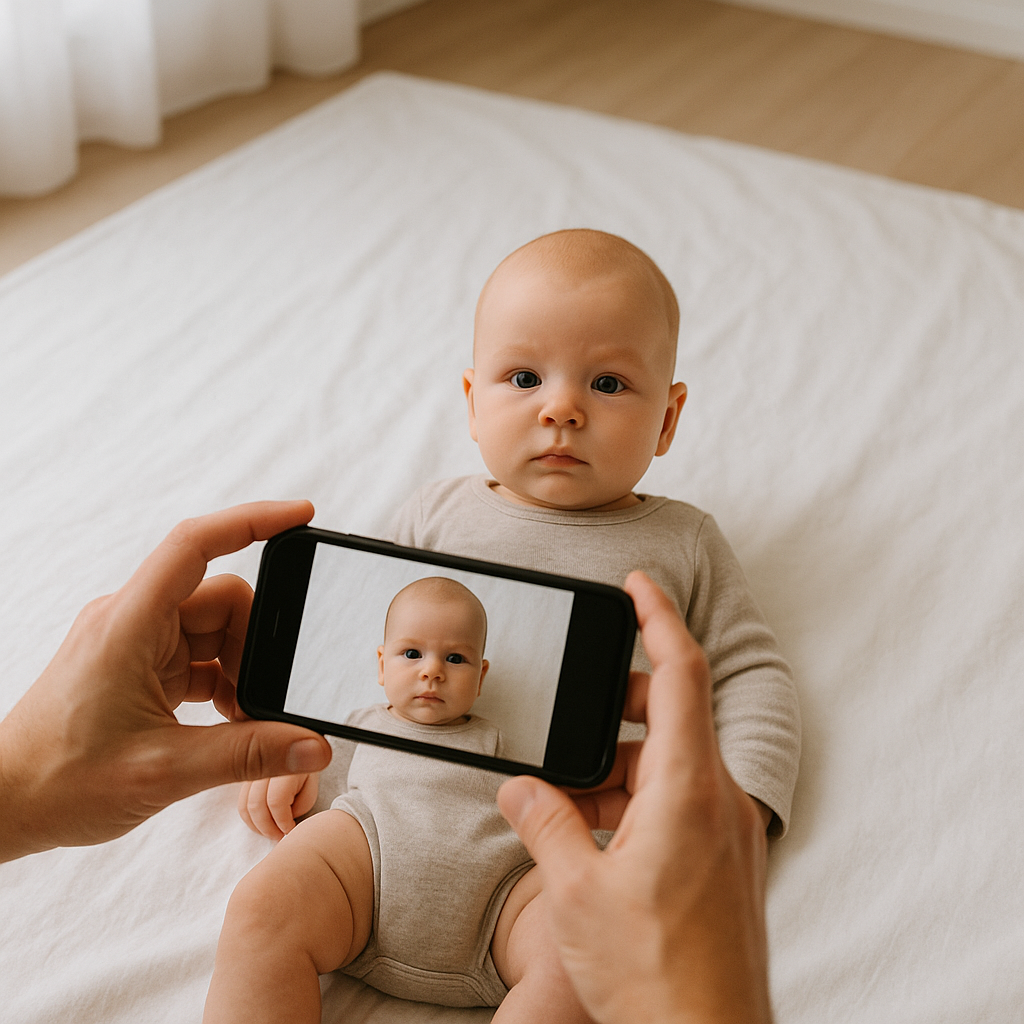
There are a few parenting tasks that look easy on paper and then absolutely body-check a person in real life. Getting an infant passport photo sits right in that category. It sounds like a quick snap - click - done. But then the baby opens their mouth, a tiny tongue pops out, and suddenly someone is googling “baby passport photo mouth open rules” at 11:47 p.m. while holding a burp cloth like it’s a stress ball.
This post breaks down what actually happens when an infant’s mouth is open in a passport photo, what most passport agencies want to see, what gets rejected, and how parents can stack the odds in their favor. It’s practical. It’s opinionated. And yes, it’s written for people who would rather not make three trips to retake a photo because the baby decided to practice opera mid-shot.
Why infant passport photo rules feel so picky
Passport photos exist for one reason: identification. Not aesthetics. Not vibes. Not “look how cute they were at six weeks.” Agencies want a clear, consistent image that can be compared against the holder’s face later. That’s the whole game.
So when a baby’s mouth is open, some reviewers see it as a facial expression. And facial expressions can reduce match accuracy. It’s like trying to recognize a friend from a drawing when the drawing shows them mid-sneeze. Possible, sure. Reliable? Not really.
If you ask me, most parents wouldn’t mind a little flexibility here because - let’s be real - infants don’t take direction. They don’t “relax their face.” They do baby stuff. Still, the rules exist, and it helps to know what’s typically allowed.
Baby passport photo mouth open rules - the practical truth
Here’s the thing that trips people up: many official guidelines emphasize a “neutral expression” and “mouth closed.” That’s the standard. But in practice, infants get some leeway, depending on the country, the agency, and even the individual reviewer.
That’s not comforting. It’s just true.
When an open mouth might still pass
Some open-mouth photos get accepted, especially when the baby is very young and the expression doesn’t look dramatic. Think: slightly parted lips, relaxed jaw, no big grin, no crying face. More “oops, mouth drifted open” than “AHHH!”
- Lips slightly parted without a smile
- No visible tongue (this can trigger rejections)
- Eyes open and visible (or at least not fully shut)
- No strong expression like laughing or wailing
- Full face visible, centered, and sharp
In other words, if the photo still looks like a usable ID image, it has a chance. Sounds simple, right? Except babies don’t do “slightly.” Babies do “all in.”
When the open mouth usually gets rejected
Here’s where things go sideways fast. Reviewers tend to reject photos when the open mouth changes the face shape too much or reads as an expression.
- Crying, even mild, with tension around the mouth
- Big open mouth - wide “O” shape
- Visible tongue or drool strings (yes, really)
- Smiling with an open mouth (cute, but risky)
- Blur from motion - because open mouth often comes with wiggles
Honestly, the tongue is a surprisingly common culprit. A tiny pink sliver shows up and suddenly the photo looks “expressive.” That’s often enough for a rejection, even if everything else is perfect.
Country-to-country differences (and why parents feel gaslit)
A lot of the confusion comes from reading one country’s passport photo rules and assuming they apply everywhere. They don’t. Some countries provide clear exceptions for babies. Others just repeat the adult rules and quietly tolerate infant chaos… sometimes.
Have you ever wondered why two families can submit nearly identical infant photos and get different outcomes? It’s because the “rules” are one layer, and the reviewer’s interpretation is another. Like baking cookies: same recipe, different oven, different results.
So the safest approach is to aim for the strict standard (neutral face, mouth closed) while knowing that minor mouth opening may still be okay if everything else is compliant.
What matters more than the mouth (yes, really)
Hot take: the mouth is not always the biggest issue. Parents obsess over lips while the real rejection triggers are often background, shadows, framing, and head support.
Passport photo reviewers care deeply about consistency. A clean, bright, correct image beats a “perfect expression” photo that breaks technical rules. Every time.
Top technical reasons infant passport photos fail
- Wrong background - off-white, patterned blankets, or shadows.
- Head not centered - too high, too low, cropped weirdly.
- Shadows - especially under the nose or behind the head.
- Blur - motion blur is brutal in baby shots.
- Hands visible - supporting the head, holding the baby up.
- Fabric wrinkles behind the head that look like texture.
That’s why some parents use a service like BabyPassportMaker.com - not because it magically forces a newborn to close their mouth, but because it helps align the photo with size, crop, and background expectations. The boring details. The details that matter.
How to get an infant passport photo with a closed mouth (without losing your mind)
Babies can’t follow instructions, but they do have patterns. A parent who times the photo like a surfer catching a wave will do better than a parent who tries to brute-force it.
Best timing tricks
- Right after feeding - many babies relax, lips settle.
- Post-nap window - not overtired, less fuss.
- Calm alert state - eyes open, body still-ish.
A relaxed baby often rests their lips together naturally. Not always. But often enough to try.
Setup that makes the mouth issue easier
Here’s a solid, repeatable setup:
- Lay a plain white sheet flat (no texture if possible).
- Place baby on their back so the camera faces straight down.
- Use natural light near a window, but avoid harsh sun beams.
- Hold the camera steady. Take a burst of photos - lots.
- Check for the “neutral moment” - that tiny pause when lips close.
Think of it like photographing wildlife. Nobody tells the bird to pose. The photographer just keeps shooting until the right frame happens.
What not to do (because it backfires)
- Don’t use flash - it can cause glare and startled expressions.
- Don’t prop the head with a hand that shows in frame.
- Don’t use a bouncy seat if it creates shadows or angles.
- Don’t chase a smile - it often turns into an open-mouth grin.
Trying to “make them happy” can accidentally create the exact expression that gets rejected. It’s cruelly ironic.
If the baby’s mouth is open - should parents retake the photo?
Here’s the honest answer: if the mouth is wide open, tongue out, or the baby looks like they’re vocalizing, retake it. It’s not worth gambling on a rejection, especially if travel dates are close.
If the lips are slightly parted and the overall photo is technically clean, some parents submit it and it passes. That decision depends on tolerance for delay.
A good gut-check question: does this look like a calm ID photo or does it look like a moment from a video? If it feels like a “moment,” it’s riskier.
Checklist: infant passport photo acceptance basics (quick scan)
Before submitting, parents can run through this quick list:
- Background is plain and evenly lit
- No shadows behind head or on face
- Baby is centered, face fully visible
- No hands, toys, pacifiers, straps in view
- Photo is sharp (zoom in and check eyelashes/skin texture)
- Mouth is closed - or only slightly open with no tongue
And yes, cropping and sizing matter. A lot. A photo can be “perfect” and still fail because the head size is off by a few millimeters. That’s where tools and templates help, and why BabyPassportMaker.com comes up in parent circles when they’re tired of fiddling with dimensions.
Common myths about baby passport photos (mouth edition)
Myth 1: “Infants are exempt from the expression rule.”
Not exactly. Infants often get some tolerance, but not a free pass. Agencies still want a neutral look whenever possible.
Myth 2: “A pacifier is fine because it keeps the mouth closed.”
Nope. A pacifier is basically an accessory covering facial features. That’s usually a rejection waiting to happen.
Myth 3: “If the mouth is open, it will definitely be rejected.”
Also not true. Slightly open mouths sometimes pass, especially if the baby is very young and the rest of the photo meets every technical requirement.
FAQ - baby passport photo mouth open rules
Can an infant have an open mouth in a passport photo?
Sometimes. Many guidelines prefer a closed mouth and neutral expression, but mild lip parting may be accepted if the photo is otherwise compliant.
Is a tongue showing allowed?
Usually it’s a bad idea. A visible tongue can look like an expression and increases rejection risk.
Does a sleeping baby work?
Typically no, because eyes should be open and visible. Some regions allow very young newborn exceptions, but parents shouldn’t count on it.
What’s the fastest way to avoid rejection?
Meet the technical rules first (background, lighting, sharp focus, correct crop) and aim for a neutral face. If sizing and crop are confusing, a tool like BabyPassportMaker.com can help reduce errors.
Getting an infant passport photo is a little like trying to catch a soap bubble without popping it. Gentle timing. Steady hands. A bit of luck. And a willingness to take 60 photos to get one that looks boring enough for government paperwork - which, ironically, is the whole point.