Baby Passport Photo Requirements Austria 2026
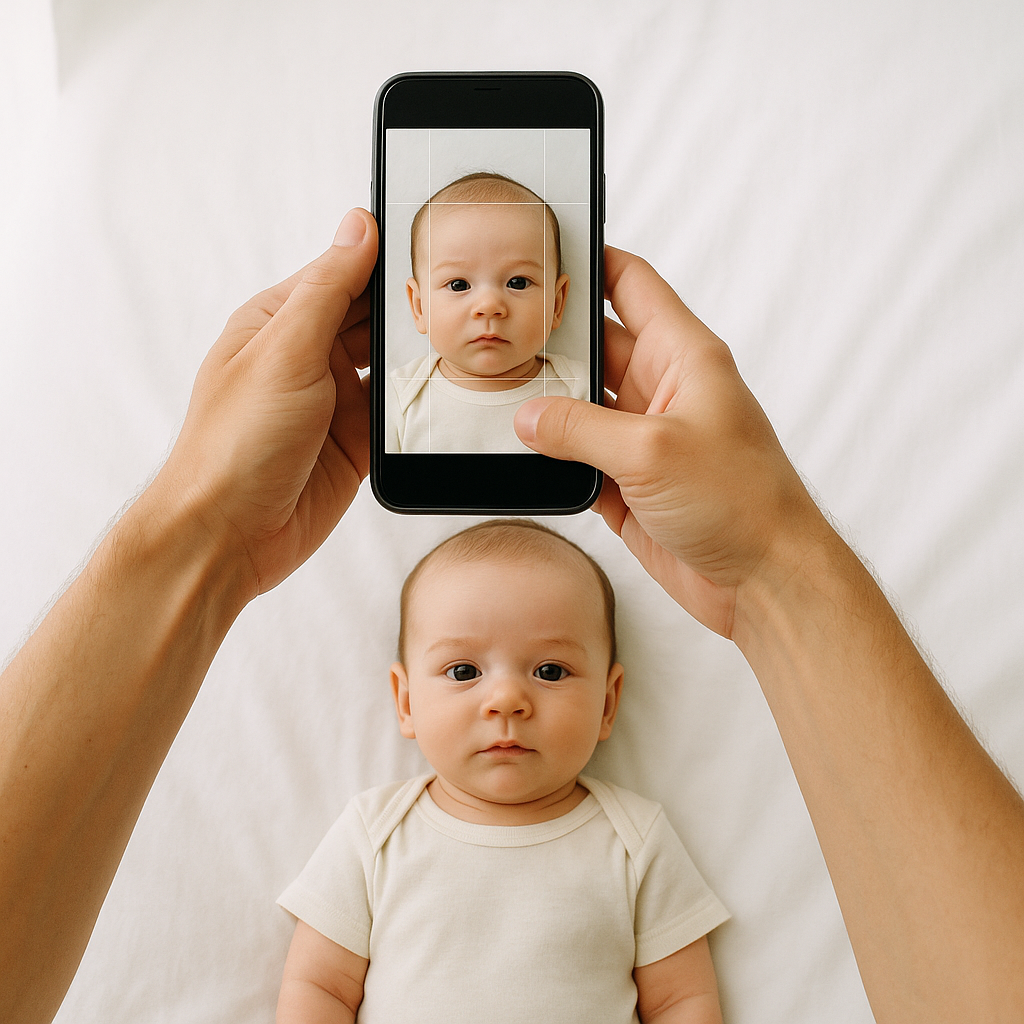
Applying for a travel document for an infant sounds simple. Take a cute picture. Submit the form. Wait for approval. Done, right? Not quite. Austria has very specific baby passport photo requirements in 2026, and even tiny details - like a faint shadow near the ear or a slightly open mouth - can lead to rejection. For parents already juggling nap schedules and diaper bags, that’s the last thing anyone needs. This guide breaks it all down clearly, practically, and without the bureaucratic fog. Because when it comes to baby passport photos in Austria, precision matters.
Why Baby Passport Photos Are So Strict in Austria
Austria follows biometric photo standards designed for facial recognition systems across the EU. That means even newborns must meet technical specifications. Sounds intense for someone who can’t hold their own head up yet. But here’s the logic: biometric systems measure facial proportions, eye placement, and head positioning. Even a tiny human face needs to be clearly visible and evenly lit. Think of it like programming a lock to recognize one exact key. If the key is slightly warped, the system hesitates. That’s why officials don’t make many exceptions - even for babies.
Baby Passport Photo Size Requirements Austria 2026
Let’s start with the basics. The required baby passport photo size in Austria is:
- 35 mm wide
- 45 mm high
The baby’s face must occupy approximately 70 to 80 percent of the image. That means the head height - from chin to crown - should measure between 32 mm and 36 mm. Too small? Rejected. Too zoomed in? Also rejected. Precision here isn’t optional.
Background Rules for Infant Passport Photos
The background must be:
- Plain white or very light gray
- Uniform with no patterns
- Free from shadows
- Without visible objects or textures
No blankets with cute elephants. No patterned cushions. No visible car seat edges. A clean, neutral backdrop is essential because biometric systems need contrast to analyze facial structure accurately.
Facial Expression Requirements for Babies
Here’s where things get tricky. Austria requires a neutral expression. That means:
- Mouth closed
- No visible tongue
- Eyes open and visible
- No exaggerated facial movements
Now, anyone who has spent more than ten minutes with an infant knows this is like asking a kitten to pose for a corporate headshot. For newborns, slight exceptions may apply if eyes are not fully open. However, the face must still be clearly visible and unobstructed.
Head Position and Alignment
The baby’s head must be:
- Centered in the frame
- Facing directly toward the camera
- Not tilted left or right
- Not angled up or down
Imagine drawing a vertical line through the center of the face - nose perfectly aligned. That’s the goal. A slight tilt might look adorable. But machines don’t appreciate adorable.
Lighting and Image Quality Standards
Lighting must be even and soft. That means:
- No shadows on the face
- No red-eye effect
- No glare on skin
- Natural skin tones
Photos must be:
- High resolution
- Sharp and in focus
- Printed on high-quality photo paper
- Free from creases or marks
Blurry edges? Automatic rejection. Pixelation? Also no.
Can Babies Wear Accessories?
Short answer - generally no. Long answer:
- No hats
- No headbands covering hairline
- No pacifiers
- No toys in frame
- No visible hands holding the baby
Religious head coverings are allowed only if the full face remains clearly visible from chin to forehead. Even a parent’s finger slightly visible behind the head can cause issues. Cropping later rarely fixes it completely.
Real-Life Scenario - Why Photos Get Rejected
A Vienna-based immigration consultant recently described a common situation. A couple submitted a photo of their three-month-old lying on a cream blanket. The baby looked calm. Eyes open. Mouth closed. Everything seemed perfect. Except for one thing. A soft shadow curved behind the left ear. The application was returned within days. Frustrating? Absolutely. Avoidable? Yes. The lesson is simple - small technical flaws matter more than cuteness.
Should Parents Use a Professional Studio?
That depends. Professional photographers understand Austrian biometric standards. They control lighting. They adjust angles. They retake shots instantly if needed. But studios can be expensive. And coordinating appointments with a newborn can feel like organizing a diplomatic summit. There’s another option many parents now prefer.
Online Baby Passport Photo Services in Austria
Digital services like BabyPassportMaker.com help parents create compliant baby passport photos from home. Here’s how it typically works:
- Parents take a photo using a smartphone
- The system removes background automatically
- The image is resized to Austrian standards
- Biometric checks ensure compliance
- The final file is ready for printing or submission
If you ask most modern parents, convenience wins every time. No driving across town. No rushed sessions between naps. Just careful setup at home and smart processing afterward. Still, attention to detail during the initial photo is critical.
Step-by-Step Guide to Taking a Baby Passport Photo at Home
Want to try it yourself? Follow these practical steps.
1. Choose the Right Spot
Select a well-lit room with natural daylight. Position the baby near a window but avoid direct sunlight.
2. Use a Plain White Surface
Lay the infant on a white sheet placed flat on the floor. Make sure there are no wrinkles creating shadows.
3. Position the Camera Properly
Hold the camera directly above the baby’s face. Keep it parallel to the floor.
4. Capture Multiple Shots
Take at least 15 to 20 photos. Small movements happen fast. Options matter.
5. Check Before Submitting
Zoom in and inspect:
- Are both eyes visible?
- Is the mouth closed?
- Are there any shadows?
- Is the head straight?
Tiny details make the difference.
Common Mistakes to Avoid in 2026
Let’s make this simple. Avoid these pitfalls:
- Using filtered smartphone modes
- Overexposed lighting
- Visible parental support
- Incorrect head size ratio
- Low-quality home printing
Filters are especially tempting. Soft skin adjustments. Auto enhancements. They look harmless. But biometric systems detect alterations quickly. Authenticity wins.
How Long Is a Baby Passport Valid in Austria?
For children under two years old, Austrian travel documents are typically valid for two years. Yes, that means another photo fairly soon. Babies change quickly - cheeks slim down, hair grows in, expressions shift. A photo taken at three months won’t resemble the same child at eighteen months. Regular updates keep identification accurate.
Final Thoughts on Baby Passport Photo Requirements Austria 2026
The rules may feel strict. Maybe even excessive. But once you understand the reasoning - biometric systems, identity protection, international standards - it starts to make sense. Preparation is everything. Good lighting. Proper alignment. Correct dimensions. Whether parents choose a studio or an online solution like BabyPassportMaker.com, attention to detail saves time and stress. Because let’s be honest - traveling with a baby is already an adventure. Airport security. Feeding schedules. Unexpected meltdowns. The photo shouldn’t be the hardest part. Get it right the first time. Print carefully. Submit confidently. And then focus on what really matters - planning the journey ahead.