Baby Passport Photo Requirements Sweden 2026
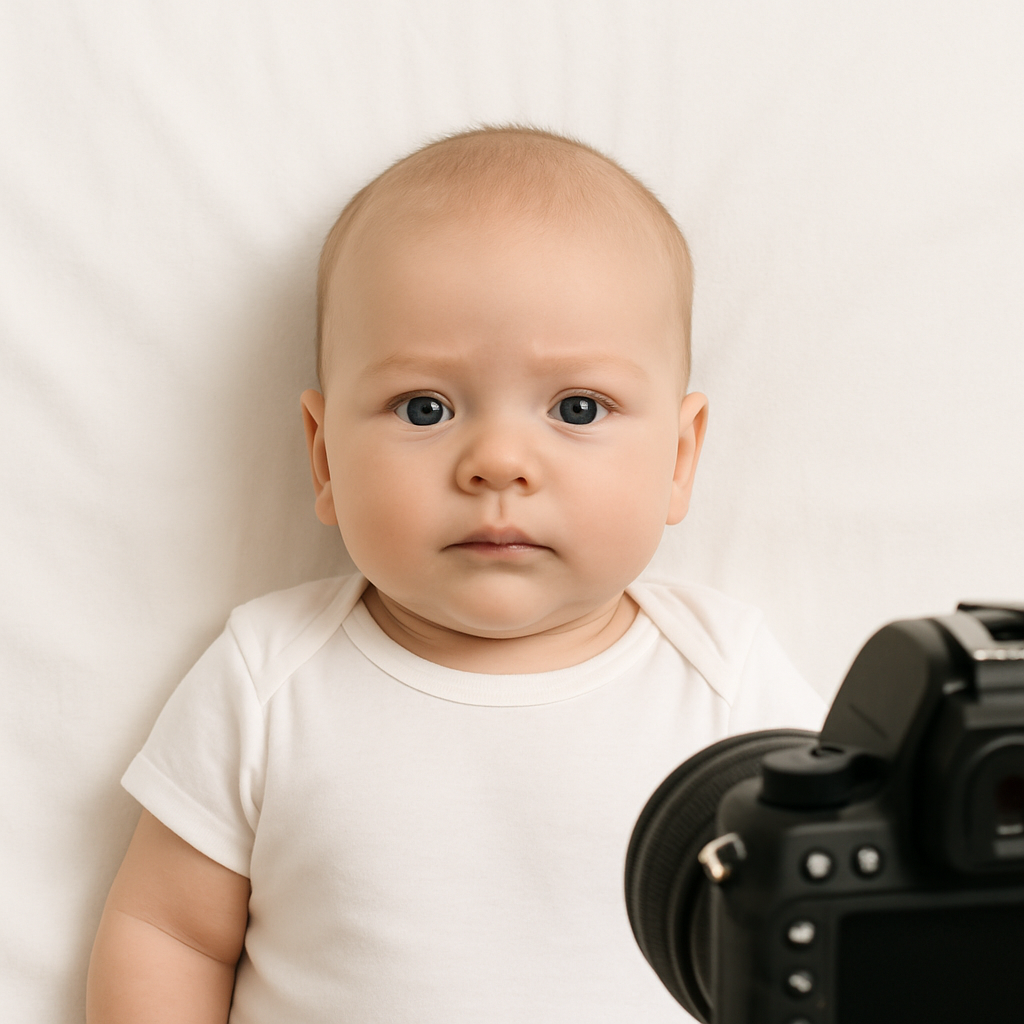
Getting a passport photo for a baby sounds simple. Until it isn’t. One minute, parents are holding a smiling six-month-old who refuses to sit still. The next, they are standing in a photo booth wondering why Sweden has such specific rules for infant passport pictures. If you ask most parents, the process feels like trying to photograph a cloud - soft, unpredictable, constantly moving. But here’s the good news. Baby passport photo requirements in Sweden for 2026 are clear, structured, and completely manageable. Once the guidelines are understood, the whole thing becomes far less intimidating. Let’s break it down.
Sweden Baby Passport Photo Requirements 2026 - The Basics
Swedish passport regulations follow strict biometric standards. Even newborns must meet official photo criteria. Yes, even if they can’t sit up yet. Here’s what matters most:
- Photo size: 35 mm wide x 45 mm high
- Background: Plain white or very light neutral
- Expression: Neutral - no big smiles or open mouths
- Eyes: Open and clearly visible
- Head position: Facing straight toward the camera
- No shadows: Even lighting across the face
- No objects: No hands, toys, pacifiers, or visible supports
Sounds strict, right? It is. But it’s not impossible. Sweden’s police authority uses biometric technology to identify travelers. That means the photo must allow facial recognition software to measure the baby’s features correctly. Think of it like setting up a tiny facial map. Every shadow, tilt, or obstruction can interfere with that map.
Can a Baby Smile in a Swedish Passport Photo?
Here’s a hot take - natural baby smiles are adorable, but they’re not ideal for passports. Swedish authorities require a neutral expression. For infants, there is some flexibility. A slight hint of a smile is usually acceptable, especially for newborns who can’t control their expressions. But wide grins or open mouths? Not recommended. The safest route:
- Keep the baby calm.
- Avoid exaggerated expressions.
- Make sure the mouth is closed if possible.
If the child looks relaxed and natural, that’s usually enough.
Background Rules - Why Plain White Matters
Ever tried taking a baby photo at home only to realize the wall isn’t quite white enough? It happens all the time. The background must be:
- Completely plain
- Light-colored - ideally white
- Free from patterns or textures
No cute nursery wallpaper. No soft beige gradients. No shadows creeping up from the side. Why? Because background contrast helps facial recognition software separate the head from the surroundings. Imagine trying to spot a snowball in a snowstorm. That’s what a poor background does to biometric systems. For babies who cannot sit independently, parents often lay them on a white sheet. It works - but only if the sheet is smooth and shadow-free.
Positioning an Infant for Passport Photos
Now comes the tricky part. Babies don’t follow instructions. They tilt. They wiggle. They suddenly discover their toes mid-session. For Swedish baby passport photo requirements in 2026, the baby must:
- Face directly toward the camera
- Keep the head centered
- Have both ears visible if possible
- Show no visible supporting hands
If the baby cannot sit, laying them flat is acceptable. Some photographers use a car seat covered with a white blanket. Others photograph from above while the baby lies down. Important detail - no parent hands should appear in the frame. Not even a fingertip. That’s where many applications get rejected.
Lighting Requirements - Avoiding Shadows
Lighting can make or break a baby passport photo. The face must be evenly lit. No heavy shadows under the chin. No dark patches behind the ears. No bright flash spots on the forehead. Natural daylight works beautifully if it’s indirect. Think soft window light, not harsh midday sun. Direct flash often creates shiny skin and uneven highlights - which Swedish authorities may reject. Simple rule: if the baby’s face looks evenly illuminated to the human eye, you’re on the right track.
Common Reasons Swedish Baby Passport Photos Get Rejected
It’s frustrating. The photo looks fine. But then - rejection. Here are the most common mistakes:
- Incorrect photo size
- Shadows behind the head
- Visible parental hands
- Open mouth or crying expression
- Baby not facing the camera
- Background not truly white
Honestly, most rejections happen because parents underestimate how precise biometric standards are. A passport photo isn’t a family snapshot. It’s an identification tool.
DIY vs Professional Services - What’s Smarter?
Here’s where things get interesting. Some parents attempt DIY baby passport photos at home. Smartphone cameras are powerful now. With good lighting and patience, it can work. But editing to exact Swedish standards? That’s where problems sneak in. This is why many families use online services like BabyPassportMaker.com. The platform adjusts sizing, ensures correct background tone, and checks compliance with Swedish passport regulations. It’s a bit like having a passport officer double-check the image before submission. Less stress. Fewer surprises. Is it mandatory? No. Is it convenient? Absolutely.
Special Considerations for Newborns
Newborn passport photos are slightly more flexible. Swedish authorities understand that infants cannot hold their heads upright. For newborns:
- Head support is allowed - but must not be visible
- Eyes should be open if possible
- Expression can be relaxed
If the baby’s eyes are partially open, it is generally accepted. However, completely closed eyes may result in rejection unless the baby is extremely young. Parents often wonder - does the baby need to look directly at the lens? Ideally, yes. But slight deviation is tolerated for very young infants.
Clothing Guidelines for Swedish Baby Passport Photos
Wardrobe matters more than people think. Best options include:
- Simple, solid-colored clothing
- Darker shades for contrast against white background
- No hats or headbands
- No large collars that cover the neck
Avoid white outfits. Why? Because the clothing can blend into the background, making it harder to define the baby’s outline. And absolutely no accessories. Even adorable bows. Yes, it feels unfair.
Timing Matters More Than You Think
Trying to photograph a tired baby is like negotiating with a thunderstorm. The smartest approach? Schedule the photo session:
- After feeding
- After a nap
- When the baby is calm and alert
A relaxed infant naturally produces a neutral expression. Less crying. Less movement. Fewer retakes. Patience becomes the real secret ingredient.
How Long Is a Baby Passport Valid in Sweden?
For children under 12 years old, Swedish passports are valid for 3 years. That means the photo must accurately represent the baby at the time of application. Since infants change rapidly, authorities expect a current image. No recycling newborn photos months later. Faces evolve quickly in the first year - cheeks fill out, features sharpen. Biometric accuracy depends on up-to-date images.
Final Thoughts on Sweden Baby Passport Photo Requirements 2026
Getting a compliant baby passport photo in Sweden isn’t about perfection. It’s about precision. White background. Neutral expression. Proper lighting. Correct dimensions. That’s the formula. Once parents understand that the image serves a technical purpose - not a sentimental one - the process becomes clearer. Think of it less as a baby portrait session and more as creating a tiny government ID. Structured. Clean. Exact. And with the right setup - or the help of services like BabyPassportMaker.com - it becomes surprisingly manageable. Challenging? A little. Doable? Absolutely. And once it’s done, that small photo opens the door to something big - the world.