Baby Passport Photo Requirements Chile 2026
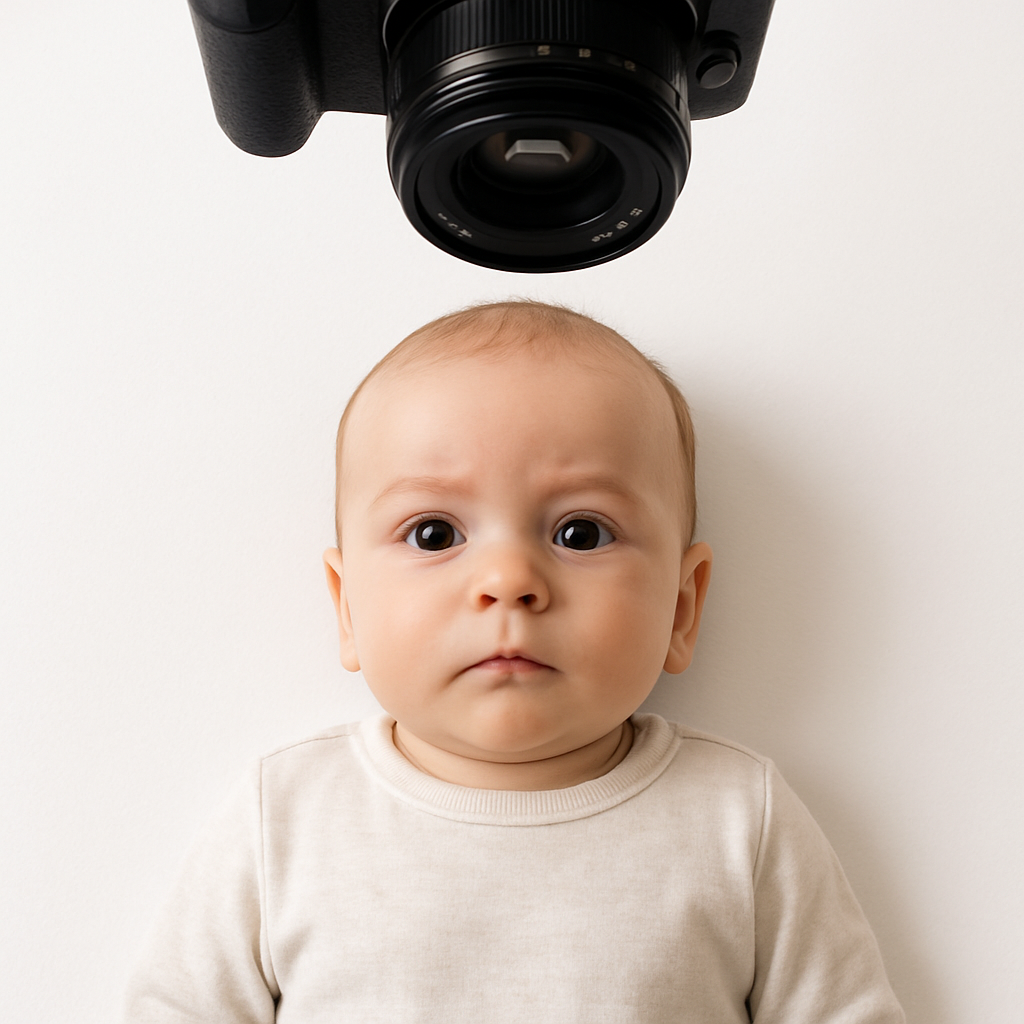
Getting a passport photo for a baby sounds simple. It’s just a picture, right? Click, print, done.
Not quite.
Anyone who has ever tried to photograph an infant knows the truth - babies don’t sit still, they don’t follow instructions, and they definitely don’t care about government regulations. Yet Chile’s passport photo requirements for babies in 2026 are very specific. Miss one detail and you could face delays, rejected applications, or another round of stressful photo attempts.
This guide breaks down everything parents need to know about baby passport photo requirements in Chile, with practical advice and a few honest insights along the way.
Why Baby Passport Photos Matter More Than You Think
Here’s the thing. Passport photos aren’t just formalities. They are biometric identifiers. That tiny image becomes your child’s official representation in international systems. Immigration officers rely on it. Border systems scan it. Airlines verify it.
If you ask seasoned travelers, they’ll tell you - documentation issues are the fastest way to ruin a trip.
Chile follows strict biometric standards, and in 2026 those standards are tighter than ever. Even babies must meet clear requirements. No exceptions just because they’re cute.
Official Baby Passport Photo Requirements Chile 2026
Let’s break this down clearly.
Photo Size and Dimensions
- Size: 45 mm x 45 mm
- Head must occupy 70% - 80% of the photo
- Centered position
- High resolution and sharp focus
Sounds technical? It is. Precision matters. If the head is too small or too large, the photo can be rejected.
Background Requirements
- Plain white background
- No shadows
- No patterns or textures
- No visible objects
This is where most home attempts fail. A slightly off-white wall? Risky. A blanket behind the baby? Not allowed if it creates folds or shadows.
Facial Expression and Position
- Neutral expression
- Mouth closed
- Eyes open and clearly visible
- Looking directly at the camera
Yes, even for newborns.
Now, authorities may show some flexibility with very young infants who cannot fully control facial muscles. But relying on flexibility is gambling with your application timeline.
Lighting Standards
- Even lighting across the face
- No harsh shadows
- No red-eye
- Natural skin tones
Think of lighting like honesty - it should reveal, not distort.
Clothing Guidelines
- Everyday clothing only
- No uniforms
- No hats or headbands
- No visible hands holding the baby
Parents often make one critical mistake here. They hold the baby upright and think they’re out of frame. Unfortunately, even a fingertip creeping into the shot can trigger rejection.
Common Mistakes Parents Make
Honestly, most rejections don’t happen because of complicated rules. They happen because of small, avoidable errors.
Here are the most frequent problems:
- Shadows behind the baby’s head
- Slight head tilt
- Pacifiers still in mouth
- Smiling widely or crying mid-shot
- Blankets visible in the background
- Low-resolution smartphone images
It’s a bit like baking. Forget one small ingredient, and the whole thing collapses.
Can You Take a Baby Passport Photo at Home?
Yes. But should you?
That depends on patience levels, lighting conditions, and how cooperative the baby feels that day. Taking a compliant passport photo of an infant can feel like trying to photograph a squirrel during a windstorm.
Still, many parents choose the DIY route.
Tips for Taking Baby Passport Photos at Home
- Lay the baby on a flat white sheet
- Use natural daylight near a window
- Stand directly above for alignment
- Remove headbands and accessories
- Take multiple shots - more than you think you need
Timing matters. A well-fed, recently napped baby increases your chances dramatically. Trying during a fussy hour? Bold move.
Professional Services vs DIY
Here’s a hot take - sometimes convenience wins.
While taking photos at home can save money, the cost of rejection is often higher. Delays can disrupt travel plans. Re-submissions take time. Stress builds.
This is where specialized services step in. Platforms like BabyPassportMaker.com help parents create compliant baby passport photos that match Chile’s 2026 standards. The system adjusts size, background, and alignment to meet official biometric rules.
It’s not magic. It’s structured compliance.
For many families, that peace of mind is worth it.
Special Considerations for Newborns
Newborn photography is its own universe. Tiny necks. Limited head control. Random expressions.
Chilean authorities understand that infants under a few months old may not fully comply with eye positioning rules. However, the image must still clearly show:
- Full face visibility
- No obstruction
- Clear contrast between face and background
If the baby’s eyes are partially closed due to age, authorities may accept the photo. But again - this depends on clarity and overall compliance.
How Long Is a Baby Passport Valid in Chile?
Here’s something many parents overlook.
Baby passports typically have shorter validity periods than adult passports. Children grow quickly. Facial features change. That adorable newborn face won’t look the same in three years.
Before applying, parents should verify the current validity term with Chilean authorities. Regulations can update.
Digital vs Printed Photos
In 2026, Chile allows digital submissions for certain passport processes. However, printed copies may still be required depending on application method.
Digital files must:
- Be high resolution
- Meet exact pixel dimensions
- Have correct color balance
- Remain unedited except for basic adjustments
Over-editing is a problem. No smoothing filters. No brightness extremes. No background replacement unless it meets strict standards.
This isn’t social media. It’s biometric documentation.
Step-by-Step Checklist for Parents
Feeling overwhelmed? Here’s a simple checklist to follow:
- Confirm latest Chile passport photo guidelines
- Prepare a plain white background
- Ensure even natural lighting
- Dress baby in simple clothing
- Remove accessories
- Position baby facing forward
- Take multiple high-resolution shots
- Verify dimensions before submission
Simple on paper. Tricky in practice.
Final Thoughts on Baby Passport Photo Requirements Chile 2026
Traveling with a baby adds layers of preparation. Documents. Packing. Timing naps around flights. The passport photo might seem minor in the grand scheme of things, but it’s the gatekeeper. Without it, nothing moves forward.
The key is respecting the details.
Chile’s 2026 baby passport photo requirements are clear: precise size, white background, neutral expression, high quality, no shadows. Meet those standards and the process flows smoothly. Ignore them and frustration follows.
Parents who want control can attempt a careful home setup. Those who prefer assurance can use specialized platforms designed for compliance.
Either way, preparation beats improvisation.
Because when it comes to international travel, there’s no such thing as "close enough."