Baby Passport Photo Requirements India 2026
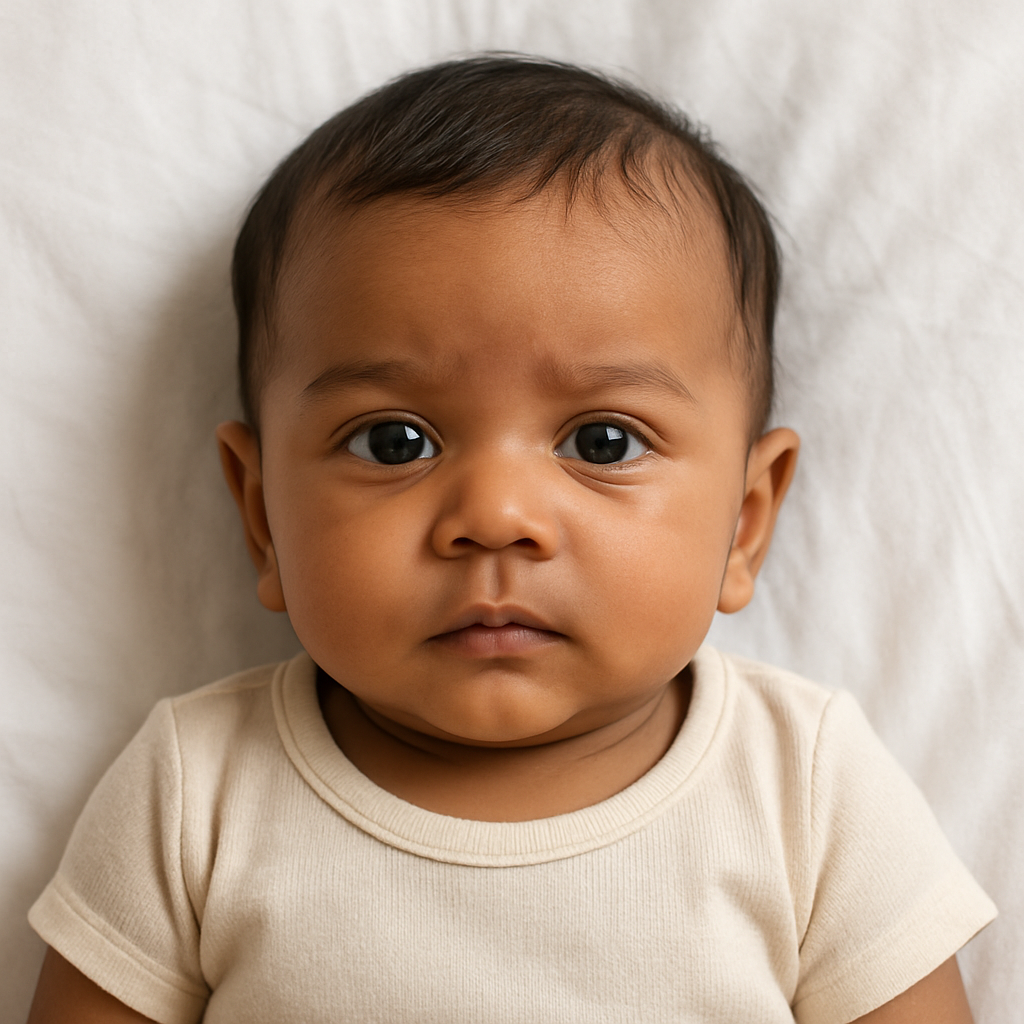
Applying for a passport is stressful enough. Add a baby to the equation? It can feel like trying to take a perfect selfie during a mini hurricane. Parents across India are asking the same question in 2026 - what exactly are the baby passport photo requirements, and how strict are they? The short answer: very specific. The longer answer? Manageable, if you know what you’re doing. This guide breaks down everything clearly, without the confusing jargon. Because when it comes to baby passport photo requirements India 2026, guessing is not a good strategy.
Why Baby Passport Photos Are So Strict in 2026
Here’s the thing. A passport photo is not just a picture. It’s biometric data. Indian passport authorities follow strict ICAO guidelines. That means the photo must allow facial recognition systems to clearly identify the child. Even if the child is three months old. Sounds intense? It is. But it makes sense. Facial structure changes quickly in infancy. The government needs a clear, neutral, front-facing image to avoid identity issues later. So yes - even babies must meet standards adults follow.
Official Baby Passport Photo Size in India 2026
Let’s start with the basics.
Photo Dimensions
- Size: 2 inches x 2 inches (51 mm x 51 mm) - Head height: Between 25 mm and 35 mm - Face must cover 70 - 80% of the frame - Recent photo - taken within the last 6 months No creative cropping. No artistic angles. Just straight, centered, and clear.
Background Requirements
White. Plain. Non-textured. That’s it. No patterns. No shadows. No curtains. No soft pastel nursery walls that "look" white. The background must be completely plain white, evenly lit. If you ask experienced photographers, they’ll tell you lighting is where most parents go wrong. One faint shadow behind the baby’s head? Rejection risk.
Baby’s Expression - Yes, It Matters
This might be the hardest part. The baby must: - Look straight at the camera - Keep eyes open (if possible) - Have a neutral expression - Keep mouth closed No smiling. No crying. No tongue out. Of course, authorities understand newborn limitations. If the infant cannot fully open their eyes, minor relaxation is tolerated. But the face must be visible and unobstructed. Have you ever tried to explain "neutral expression" to a six-month-old? Exactly.
Head Position and Framing Rules
Positioning is critical. The baby’s head must be centered. Not tilted. Not leaning. Not slightly rotated. Both ears should be visible if possible, though it is not mandatory. The chin cannot be tucked down. The crown cannot be cut off. Think of it like a passport mugshot - but gentler.
Clothing Rules for Baby Passport Photos
Parents often overthink this. Keep it simple.
What Works Best
- Solid colors - Light or medium tones - Clothes that contrast with white background
What to Avoid
- White outfits (they blend into background) - Hats or headbands - Heavy patterns - Uniforms or costumes Religious head coverings are allowed, but they must not cover the face. Also important - no bibs. Even if the baby drools constantly. Especially if the baby drools constantly.
Can Parents Hold the Baby in the Photo?
Technically, yes. But the parent must not be visible. That means: - No hands in frame - No shoulders visible - No shadows from the holder Many parents place the baby on a plain white sheet and take the photo from above. Others seat the baby in a car seat covered with white fabric. Both methods can work. But lighting must be even. Honestly, this is where many applications fail.
Common Reasons Baby Passport Photos Get Rejected
Rejection happens more than people think. And it delays everything. Here are the most frequent mistakes in India: 1. Background not pure white 2. Face too small or too large in frame 3. Shadows on face 4. Red-eye effect 5. Blurry image 6. Parent’s hand partially visible 7. Baby looking sideways One tiny issue can mean resubmission. And waiting. Nobody enjoys repeating paperwork with a restless infant.
Digital Photo Requirements for Online Passport Application
In 2026, most passport applications in India begin online. Digital uploads must meet these specs: - JPEG format - File size typically between 10 KB and 200 KB - Clear resolution (usually 300 DPI recommended) - No filters or edits No beautifying apps. No smoothing tools. The image must represent the baby naturally. Even if there’s a tiny scratch on the cheek.
Should Parents Use a Professional Service?
Here’s a practical truth. Taking a compliant baby passport photo at home sounds easy. It rarely is. Lighting setup, correct cropping, file compression - it’s surprisingly technical. That’s why many families now use specialized online services like BabyPassportMaker.com. The platform adjusts size, background, alignment, and ensures compliance with Indian passport photo rules. It reduces rejection risk significantly. If you ask experienced parents, convenience wins every time. Especially when dealing with tight travel timelines.
Step-by-Step Guide to Taking a Baby Passport Photo at Home
For those determined to DIY, here’s a realistic approach.
Step 1 - Choose the Right Time
Pick a moment when the baby is calm and fed. Not sleepy. Not cranky. Timing matters more than camera quality.
Step 2 - Prepare the Background
Use a smooth white sheet. Iron it if needed. Wrinkles create shadows. Place it flat on the floor or secure it tightly against a wall.
Step 3 - Ensure Proper Lighting
Natural daylight near a window works well. Avoid direct sunlight. It creates harsh shadows.
Step 4 - Position the Baby
Lay the baby flat on the sheet. Make sure: - Head is straight - Eyes open - No objects in frame Take multiple shots. Lots of them.
Step 5 - Crop and Resize Correctly
Use a reliable passport photo tool to adjust dimensions precisely. Guesswork here can ruin everything.
Newborn-Specific Considerations
Newborns under one year get slight flexibility. For example: - Eyes may not be fully open - Minor head tilt may be tolerated But facial visibility remains mandatory. No pacifiers. No blankets covering cheeks. Even for tiny humans, the face must be clear and centered.
How Long Is a Baby Passport Valid in India?
Here’s something many overlook. For minors under 18 years, passports are generally valid for 5 years or until the child turns 18 - whichever comes first. Since babies grow rapidly, photo mismatch becomes noticeable over time. That’s normal. It does not automatically invalidate the passport. Still, starting with a compliant image is crucial.
Travel Planning in 2026 - Why Getting It Right Matters
International travel rules are becoming more digitized every year. Airports rely heavily on biometric matching. A poor-quality passport photo may not cause issues immediately. But it can complicate verification abroad. Imagine standing in immigration with a tired baby while officials double-check identity. Avoidable stress. Better to handle it correctly from the start.
Quick Checklist for Parents
Before submitting the passport application, confirm: - Correct 2x2 inch size - White background - Neutral expression - Eyes visible - No shadows - Proper file size - No visible parent If every box is ticked, approval chances increase dramatically. Simple, right? In theory, yes. In practice - babies have their own agenda.
Final Thoughts on Baby Passport Photo Requirements India 2026
The rules may seem strict, even excessive. But they exist for security and global compliance. Parents who understand the exact baby passport photo requirements India 2026 avoid delays, rejections, and unnecessary stress. Preparation makes all the difference. A calm baby. Proper lighting. Correct dimensions. And if precision feels overwhelming, specialized services exist to simplify the process. Because let’s be honest - traveling with a baby is already an adventure. The passport photo shouldn’t be the hardest part.