Baby Passport Photo Requirements Philippines 2026
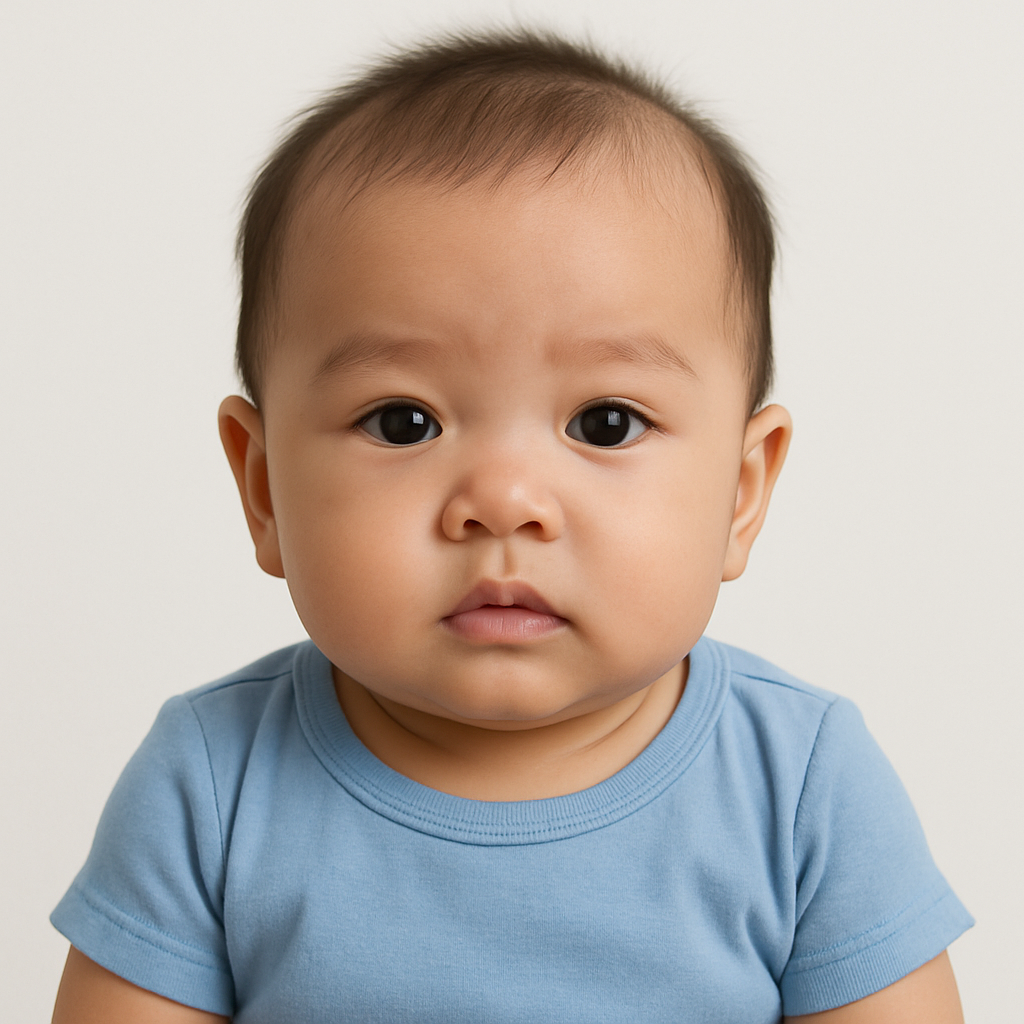
Applying for a baby passport in the Philippines sounds simple - until it isn’t. One tiny mistake in the photo and suddenly the application stalls, the appointment needs rescheduling, and everyone’s schedule gets flipped upside down. Babies are unpredictable. Government requirements? Even more so. If you ask most parents, the hardest part of the entire passport process isn’t the paperwork. It’s getting that one perfect photo. So what exactly are the baby passport photo requirements in the Philippines for 2026? And how can parents make sure their infant’s picture gets accepted the first time? Let’s break it down clearly, practically, and without the usual bureaucratic fog.
Why Baby Passport Photos Are So Strict
Here’s the thing - passport photos aren’t just ID snapshots. They’re biometric data. The Philippine Department of Foreign Affairs follows international ICAO standards. That means the image must be clear enough for facial recognition systems to scan key features. Even babies aren’t exempt. Sounds intense for a six-month-old? Maybe. But that’s the system. Because of this, even tiny issues can lead to rejection:
- Shadows across the face
- Incorrect background color
- Baby looking sideways
- Visible hands supporting the child
- Improper size or cropping
Small details. Big consequences.
Official Baby Passport Photo Size Philippines 2026
Let’s start with the basics. The required photo size for a Philippine passport remains:
- 35mm x 45mm
That’s the same standard used for adult passport photos. But here’s where parents slip up - the head size and positioning matter just as much as the overall dimensions.
Head Measurement Requirements
The baby’s head must measure:
- Between 32mm and 36mm from chin to crown
The face should occupy about 70 to 80 percent of the frame. Too zoomed out? Rejected. Too close? Also rejected. It’s like trying to center a moving target. And babies love to move.
Background Rules - Keep It Plain
This is non-negotiable. The background must be:
- Plain white
- Free from patterns
- No shadows
- No textures
Cream walls won’t work. Off-white sheets might fail if shadows appear. Patterned blankets are a definite no. Many parents try using their living room wall. It looks white to the eye, but cameras pick up tone differences and uneven lighting. That’s where problems begin.
Facial Expression Requirements for Babies
Now comes the tricky part. Adults must keep a neutral expression. Babies? They get some flexibility - but not much. Here’s what’s allowed:
- Eyes open (for infants over a few months old)
- Mouth closed if possible
- Neutral expression preferred
Crying shots? Not acceptable. Big open-mouth laughs? Risky. For newborns who cannot fully support their head, slight tolerance exists. But visible support - like a parent’s hand - must not appear in the frame. That’s the hard line.
Can Babies Wear Accessories?
Short answer: almost nothing. Here’s what is not allowed in a baby passport photo:
- Hats
- Headbands with large decorations
- Hair clips covering facial features
- Sunglasses
- Pillows visible in frame
Religious head coverings are allowed, but they must not obscure the face. Even cute bows can cause rejection if they cast shadows. Adorable? Yes. Compliant? Not always.
Clothing Guidelines for Infant Passport Photos
This part surprises people. While there’s no strict clothing color requirement, contrast matters. A white outfit against a white background can blur the outline of the baby’s body. Best practice?
- Dress the baby in darker, solid colors
- Avoid busy prints
- No uniforms
- No costumes
Think simple. Think clean. A plain navy or soft pastel onesie works perfectly.
Lighting - The Silent Deal Breaker
Lighting makes or breaks passport photos. Natural light is ideal. Position the baby facing a window. Avoid direct sunlight. Harsh beams create shadows under the nose and chin. Artificial lighting works too - if balanced properly. Common lighting mistakes:
- Overhead lighting causing eye shadows
- Flash glare on skin
- Uneven brightness across the face
- Yellow indoor lighting
The final image should look evenly lit, sharp, and shadow-free. It sounds technical, but really it’s about clarity. The baby’s features must be fully visible. No drama. No mood lighting.
Should Parents Take the Photo at Home?
This is where opinions differ. Professional studios understand passport specifications. They control lighting and framing precisely. That reduces rejection risk. But scheduling a studio visit with a newborn? That’s a challenge in itself. Here’s a practical middle ground. Many parents now use online passport photo services designed specifically for official standards. One reliable option is BabyPassportMaker.com. It allows parents to upload a baby’s photo and automatically adjusts it to meet Philippine passport photo requirements. No guessing. No manual cropping. No size miscalculations. Honestly, that convenience alone saves stress.
Common Reasons Baby Passport Photos Get Rejected
Let’s be blunt. Rejections happen more often than people think. Here are the most common issues:
- Baby not facing camera directly
- Eyes partially closed
- Red-eye effect
- Visible adult hands
- Wrong dimensions
- Background shadows
- Overexposed skin tone
It doesn’t take much. A slight tilt of the head can cause delays. Have you ever tried keeping a baby perfectly still for five seconds? Exactly.
Step-by-Step Guide to Getting an Approved Baby Passport Photo
To simplify everything, here’s a practical process parents can follow:
Step 1: Prepare the Setup
Choose a plain white wall or sheet. Ensure even lighting. Remove any distracting objects from the background.
Step 2: Dress the Baby Appropriately
Pick solid-colored clothing that contrasts with white. Avoid accessories.
Step 3: Position the Baby Correctly
Lay infants flat on a white sheet or place them in a car seat covered with white fabric. Make sure no hands are visible.
Step 4: Capture Multiple Shots
Take many photos. Babies rarely cooperate on the first try. More options increase success.
Step 5: Adjust to Official Size
Use a compliant editing service to crop and resize to 35mm x 45mm.
Step 6: Print on High-Quality Photo Paper
Use glossy or matte photo paper with sharp resolution. Simple? On paper, yes. In real life - patience helps.
Digital vs Printed Submission in 2026
For most Philippine passport applications, photos are captured onsite during DFA appointments. However, for certain cases - like renewals abroad or special processing - printed photos may still be required. That’s why it’s crucial to check current DFA guidelines before appointment day. Regulations evolve. Requirements shift slightly. Staying updated avoids wasted trips.
Final Thoughts on Baby Passport Photo Requirements Philippines 2026
Getting a baby passport photo approved isn’t about perfection. It’s about precision. Clean background. Proper size. Neutral expression. Clear lighting. That’s the formula. Parents don’t need professional photography skills. They just need awareness of the exact standards and the right tools to meet them. The 2026 guidelines remain aligned with international biometric rules, and while they may feel strict, they’re manageable with preparation. Because here’s the reality - travel plans, family reunions, overseas opportunities - they all hinge on that small rectangle photo. And when that image gets accepted on the first try? That’s one less thing to worry about. Practical. Prepared. Done right. That’s how baby passport photos should be handled.