Baby Passport Photo Requirements Norway 2026
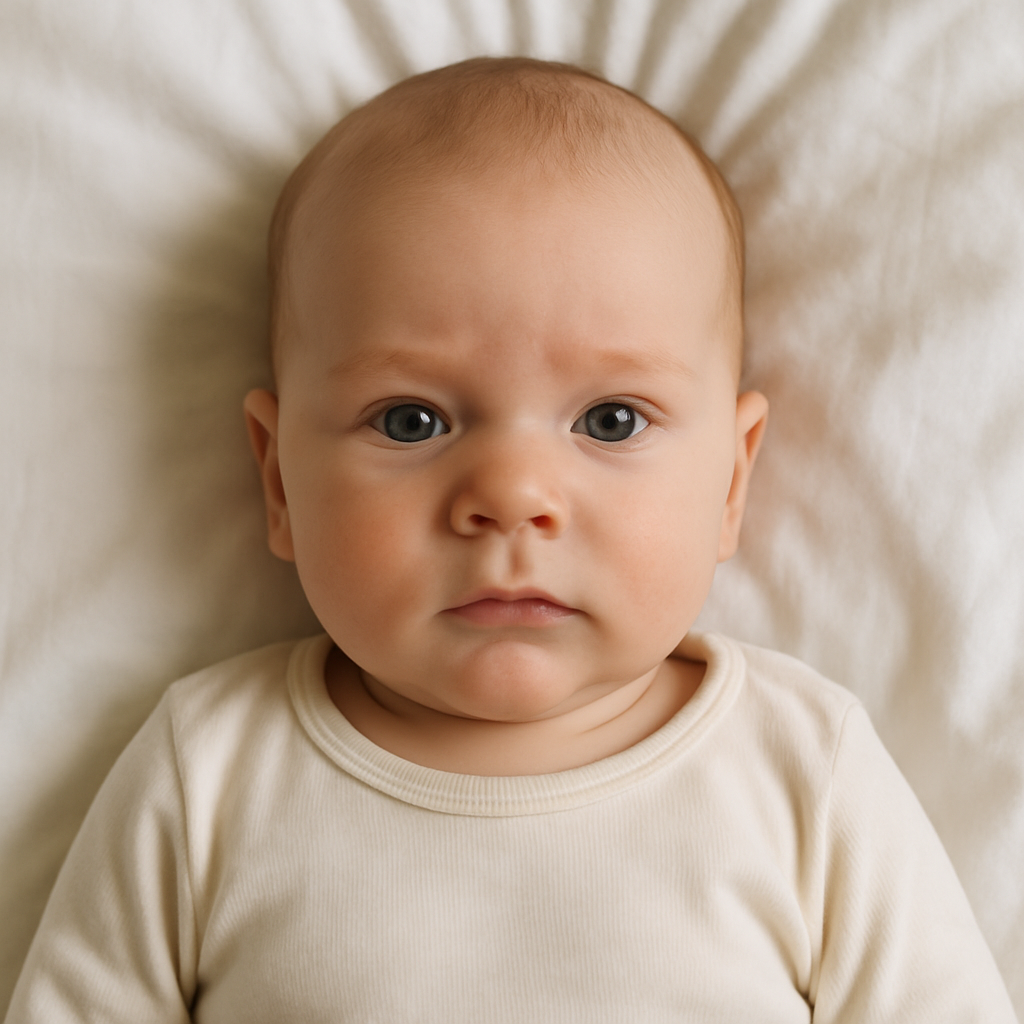
Applying for a baby passport in Norway sounds simple. Take a photo. Submit the form. Wait. But any parent who has tried getting a newborn to "cooperate" for a camera knows the truth - it is anything but simple. Norway has specific baby passport photo requirements in 2026, and they are not suggestions. The rules are strict, the technical standards are precise, and even tiny mistakes can lead to rejection. If you ask most parents, they will say the same thing: the photo is the hardest part. So let’s break it all down clearly, practically, and without the stiff bureaucratic language.
Official Baby Passport Photo Requirements Norway 2026
The Norwegian passport authorities follow biometric standards. That means the photo must work with facial recognition systems. Yes - even for babies. Here are the core requirements:
- Photo size: 35 mm x 45 mm
- Background: Plain white or very light gray
- Face centered and fully visible
- Eyes open and clearly visible
- No shadows on face or background
- No other person visible in the image
- No pacifiers, toys, or blankets covering features
- High resolution, sharp focus
Sounds straightforward, right? Now try applying that list to a three-month-old who just discovered blinking as a hobby.
Does a Baby Have to Keep Their Eyes Open?
Yes. In most cases, the baby’s eyes must be open. For newborns under a few months old, authorities may allow slight leniency if the eyes are not fully open. But don’t rely on that. Norwegian biometric systems still require visible eye positioning. Closed eyes are one of the most common rejection reasons.
Can Parents Hold the Baby?
Technically yes - but invisibly. The parent cannot appear in the photo. No hands. No shoulders. No fingers sneaking into the frame. Many parents lay the baby flat on a white sheet and take the photo from above. It often works better than trying to hold them upright. Think of it like photographing a tiny passport model. Clean. Minimal. Neutral.
Background Rules - Why White Really Means White
The background must be plain and light - preferably white. Not cream. Not patterned. Not "almost white." Norwegian passport offices are surprisingly strict about this. Imagine the background as a blank canvas. The baby’s face should be the only focus point. No texture. No shadows. No furniture edges creeping in. A common mistake? Using a bedsheet that looks white to the eye but photographs gray or wrinkled. Cameras exaggerate shadows. Pro tip:
- Use natural daylight near a window.
- Avoid direct sunlight that creates harsh lines.
- Smooth the fabric completely flat.
- Check for color tint before submitting.
Small details matter.
Lighting Requirements for Norwegian Baby Passport Photos
Lighting can make or break the image. Too dark? Rejected. Too bright? Rejected. Shadow across the face? Rejected. Balanced lighting is the goal. Soft, even illumination across both sides of the face. If the light hits one cheek more strongly, the system may flag it. Here’s what works best:
- Natural daylight from the front
- No overhead harsh bulbs
- No flash creating red-eye
- No yellow indoor lighting
Flash photography often flattens features or creates shine on the forehead. Not ideal.
Facial Expression Rules - Yes, Even for Babies
Norway requires a neutral expression. For adults, that means no smiling. For babies? It means no exaggerated expressions if possible. Of course, expecting a six-month-old to maintain a passport-ready face is ambitious. Small natural expressions are acceptable. Big open-mouth laughter or crying fits? Not so much. The mouth should be closed. The face should be relaxed. And no pacifiers. Ever.
Head Position and Framing Guidelines
The head must be centered and straight. Not tilted. Not turned. Not angled upward dramatically. The face should occupy about 70 - 80 percent of the photo height. That means the baby’s head cannot look tiny inside a huge white frame. At the same time, it cannot be cropped too tightly. It is a balancing act. Like hanging a picture perfectly level on the first try.
Common Reasons Baby Passport Photos Get Rejected in Norway
Here’s a quick reality check. These are the most frequent rejection causes in 2026:
- Shadows behind the head
- Parent’s hand partially visible
- Baby looking sideways
- Blurry focus
- Incorrect size formatting
- Background not truly white
- Red-eye from flash
It does not take much for authorities to say no. And when they do, the entire passport application gets delayed.
Should Parents Use a Professional Service?
Here’s a hot take: for many families, yes. Trying to meet biometric standards at home can feel like assembling furniture without instructions. Possible, but frustrating. Online tools designed specifically for passport compliance can simplify the process. One example is BabyPassportMaker.com, which helps format baby photos to meet official standards. Instead of guessing about dimensions and cropping, parents can upload an image and let the system adjust it to Norwegian requirements. It saves time. It reduces stress. And it lowers the risk of rejection. Sounds convenient, doesn’t it?
Digital vs Printed Photo - What Norway Requires in 2026
Most Norwegian passport applications now involve digital submission during appointment booking. However, photo standards remain identical whether digital or printed. Digital requirements include:
- High-resolution image
- No filters or editing effects
- True-to-life color tones
- Proper cropping according to biometric ratios
No Instagram presets. No smoothing apps. The baby should look exactly like they do in real life. Wrinkles, tiny scratches, milk spots - those are normal. Do not retouch them.
What About Headwear or Religious Coverings?
Generally, no headwear is allowed. Medical reasons are exceptions, but documentation may be required. Hair accessories? Best avoided. Even cute headbands can cast shadows or obscure forehead shape. Keep it simple.
Step-by-Step: How to Take a Baby Passport Photo at Home
For parents determined to DIY, here is a practical guide:
- Lay a smooth white sheet on a flat surface.
- Place the baby on their back.
- Stand directly above with the camera parallel to the face.
- Use natural window light facing the baby.
- Take multiple shots - at least 20.
- Check for shadows and clarity.
- Crop precisely to 35 mm x 45 mm ratio.
Taking one photo rarely works. Think volume. Digital film is free - use it.
How Long Is a Baby Passport Valid in Norway?
For children under 5 years old, Norwegian passports are typically valid for 2 years. Why such a short period? Babies change fast. Facial recognition systems depend on accurate likeness. A newborn’s face evolves quickly - cheeks fill out, features sharpen, hair appears. A photo from infancy may not resemble the toddler two years later.
Final Thoughts on Baby Passport Photo Requirements Norway 2026
Getting a compliant baby passport photo in Norway requires patience. Precision. And sometimes a bit of creative problem-solving. The rules exist for security and biometric accuracy, not to make life difficult. Still, for tired parents juggling naps and feedings, the process can feel surprisingly intense. The key is understanding the technical requirements before starting. White background. Correct size. Open eyes. No shadows. Neutral expression. Simple in theory. Challenging in practice. But with preparation - and possibly the help of tools like BabyPassportMaker.com - it becomes manageable. And once that passport arrives? Worth it. Every single time.