Baby Passport Photo Requirements Philippines 2026
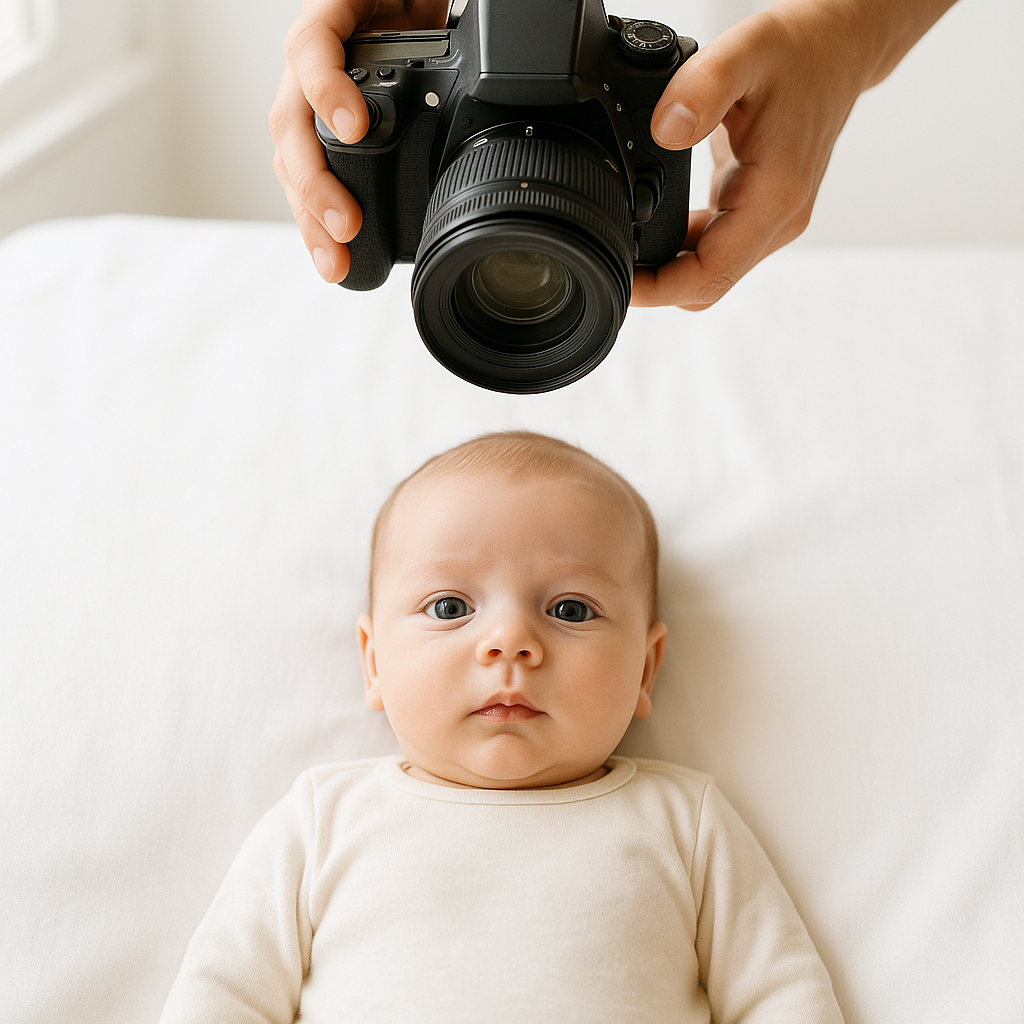
Getting a passport photo for a baby sounds simple. Point. Click. Done. Right? Not even close. Anyone who has tried photographing a squirming six-month-old knows the reality. One second the baby looks angelic, the next there is a blur of hands, a dramatic yawn, or an unexpected meltdown. And when it comes to baby passport photo requirements Philippines 2026, the rules are surprisingly strict. This guide breaks everything down in plain language - what parents need, what to avoid, and how to make the whole process less stressful.
Why Baby Passport Photos Have Strict Rules
The Philippine Department of Foreign Affairs - DFA - follows international biometric standards. That means even infants must meet specific technical requirements. Why so serious for a tiny human who can’t even sit up yet? Because passport photos are scanned by facial recognition systems. The image needs clear proportions, neutral lighting, and a full view of the face. Think of it like a digital fingerprint. If the photo is off, the application gets delayed. And nobody wants that.
Official Baby Passport Photo Requirements Philippines 2026
Here’s what parents need to know for 2026.
1. Photo Size and Dimensions
The required size for a Philippine passport photo is:
- 35mm x 45mm
- Head size between 28mm and 33mm from chin to crown
- Full face centered
The baby’s face must occupy about 70 to 80 percent of the frame. Too zoomed out? Rejected. Too close? Also rejected. Sounds picky. It is.
2. Background Requirements
The background must be:
- Plain white
- No shadows
- No patterns or textures
- No visible objects
A bedsheet might seem fine, but wrinkles can create shadows. A wall might look white, but uneven lighting can ruin it. The camera sees what the human eye ignores.
3. Baby’s Facial Expression
This one makes parents laugh. Yes, even babies need a “neutral expression.” That means:
- Eyes open
- Mouth closed
- No big smiles
- No crying
Of course, newborns get a little flexibility. If the mouth is slightly open, it may still be accepted. But wide laughter or visible gums? Risky.
4. Eyes and Head Position
The baby must:
- Look directly at the camera
- Keep both eyes visible
- Have no hair covering the eyes
- Keep head straight, not tilted
For infants who cannot hold their head up, parents can lay them flat on a white surface. Just make sure no hands appear in the photo. No fingers holding the chin. No shadow from a hovering adult.
5. Clothing Rules
Clothing should be simple and neat. Avoid:
- White tops that blend into the background
- Costumes
- Hats or headbands
- Accessories
Religious head coverings are allowed, but they must not hide facial features. If you ask many passport officers, dark-colored clothing works best. It creates contrast and keeps the baby’s face clearly defined.
Common Mistakes That Cause Rejection
Here’s where things go wrong. A lot. Parents often submit photos that look adorable but fail technical checks. Some of the most common issues include:
- Shadows behind the baby’s head
- Red-eye from flash photography
- Pacifiers still in the mouth
- Visible parent hands
- Filters or edited backgrounds
- Low resolution or blurry images
That last one hurts. Because sometimes the baby finally sits still - just once - and the photo comes out slightly soft. And that’s enough for rejection.
How to Take a Baby Passport Photo at Home
Professional studios are helpful, but they are not mandatory. Many parents now choose digital services or DIY methods. Here’s a practical step-by-step approach:
Step 1 - Choose the Right Spot
Pick a bright room with natural daylight. Stand near a window but avoid direct sunlight. No yellow lights. No dramatic shadows.
Step 2 - Prepare the Background
Use a smooth white blanket or sheet. Iron it if needed. Lay it flat on the floor. Place the baby gently on their back.
Step 3 - Position the Camera
Hold the camera directly above the baby’s face. Keep it parallel. Not tilted. Use high resolution settings.
Step 4 - Take Multiple Shots
Don’t rely on one photo. Take ten. Twenty. Even fifty. One will work. Eventually.
Step 5 - Check Before Submitting
Zoom in. Are both eyes open? Is the lighting even? Is the background truly white? Double check everything before printing or uploading.
Using Online Passport Photo Services
Let’s be honest. Not everyone wants to wrestle with lighting angles and image cropping. That’s where online tools help. Services like BabyPassportMaker.com specialize in baby passport photo requirements Philippines 2026. They automatically adjust size, background, and alignment according to DFA standards. It’s like having a digital photo assistant who never gets tired. Parents simply upload a picture, and the system ensures:
- Correct dimensions
- Proper head positioning
- White background correction
- Compliance with official rules
Honestly, for many families, this removes half the stress.
What Happens If the Photo Gets Rejected?
It happens. If the DFA rejects the image, applicants may need to retake and resubmit the photo. This can delay processing times, especially during peak travel seasons. That’s why accuracy matters. Think of the passport application like baking. If the measurements are off, the whole recipe collapses. You can’t just “eyeball it” and hope for the best.
Special Considerations for Newborns
Newborns under three months old get some flexibility, but not total freedom. For very young babies:
- Eyes may not be fully open, but should be visible
- Support devices must not appear in the frame
- Parent assistance must stay hidden
A helpful trick? Photograph the baby after feeding. Calm babies cooperate more. Timing is everything.
Printing Guidelines for Philippine Baby Passport Photos
If printing at home or in a photo shop, use:
- High-quality photo paper
- Matte or semi-gloss finish
- True-to-size dimensions - no scaling
Colors should be natural. Not overly warm. Not bluish. It should look like the baby in real life, not a filtered social media version.
How Long Is a Baby Passport Valid in the Philippines?
As of recent updates, Philippine passports issued to minors are valid for five years. Yes, that tiny infant photo will represent the child for half a decade. Which feels wild, considering how fast babies change. One month they’re curled up like a sleepy kitten. Six months later, they’re crawling everywhere. Still, that passport remains the official identity document.
Quick Checklist Before Submission
Before sending the application, parents should confirm:
- Correct 35mm x 45mm size
- White, shadow-free background
- Baby facing camera
- No accessories or distractions
- High resolution image
Simple checklist. Big difference.
Final Thoughts on Baby Passport Photo Requirements Philippines 2026
Taking a passport photo for a baby is part technical process, part patience test. The rules might seem excessive at first glance. But they exist to ensure smooth identity verification and international travel security. For families planning trips abroad, handling the photo correctly from the start saves time, energy, and unexpected frustration. Whether using a professional studio or a trusted online platform like BabyPassportMaker.com, attention to detail matters. And here’s the comforting truth - once it’s done, it’s done. One compliant photo. One approved passport. One step closer to family adventures. Not bad for a tiny human who can’t even tie their shoes yet.