Baby Passport Photo Requirements Philippines 2026
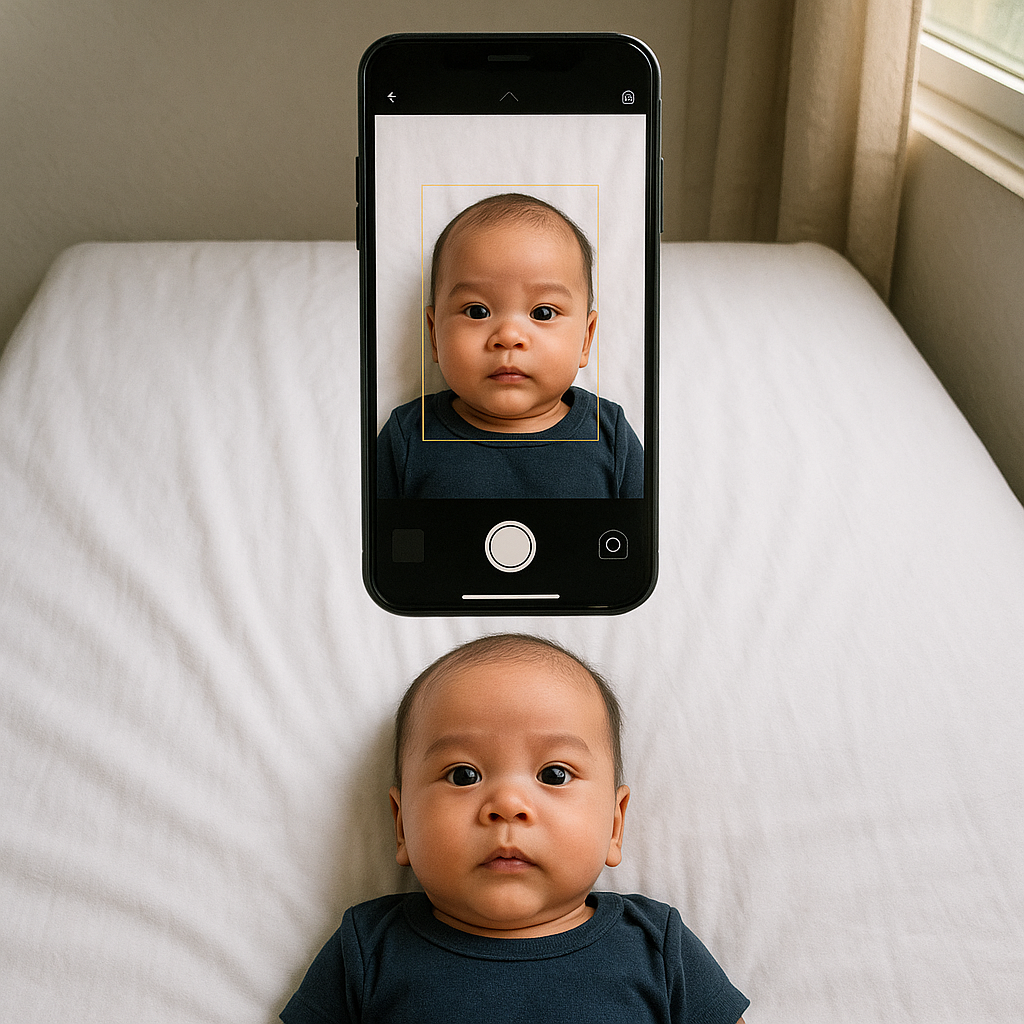
Applying for a baby passport in the Philippines sounds simple - until it isn’t. Parents often assume it’s just a smaller version of an adult passport process. Quick photo, quick paperwork, done. Right? Not quite. The baby passport photo requirements Philippines 2026 has introduced are strict, specific, and surprisingly easy to get wrong. And here’s the tricky part - babies don’t exactly follow instructions. So if you’re preparing documents for your little one, this guide breaks everything down clearly, honestly, and without the bureaucratic fog.
Why Baby Passport Photos Get Rejected
Let’s start with the reality no one likes talking about: passport photo rejections. The Department of Foreign Affairs (DFA) follows International Civil Aviation Organization standards. That means biometric accuracy matters. Even for infants. Common reasons photos get rejected include:
- Incorrect photo size
- Improper background color
- Shadows on the face
- Baby’s eyes closed
- Visible hands or objects in frame
- Low resolution or pixelated image
It feels harsh, especially when dealing with a newborn. But biometric systems rely on facial recognition. Even tiny inconsistencies can trigger rejection. Sounds intense for a six-month-old? It is. But that’s the system.
Official Baby Passport Photo Requirements Philippines 2026
Here’s what parents must follow precisely in 2026.
1. Photo Size and Dimensions
The required size is:
- 35mm x 45mm
The baby’s face must occupy about 70 to 80 percent of the frame. Too zoomed out? Rejected. Too close? Also rejected. Precision matters.
2. Background Rules
The background must be:
- Plain white
- Free of patterns
- Without shadows
No bedsheets with subtle designs. No textured walls. No cream tones pretending to be white. It needs to be clean and evenly lit. Think blank sheet of paper under bright daylight.
3. Facial Expression Guidelines
Now here’s where things get… interesting. Babies are allowed a neutral expression. That means:
- Mouth closed
- No exaggerated facial expressions
- Eyes open and visible
For newborns, slightly relaxed expressions are accepted. But fully closed eyes? That’s typically not approved. Yes, even if they’re only two weeks old.
4. Head Position and Alignment
The baby must:
- Face directly toward the camera
- Have head centered
- Not tilt sideways
No angled poses. No side profiles. No artistic moments. Straight. Centered. Clear.
5. No Accessories or Obstructions
This includes:
- No hats
- No headbands covering the forehead
- No pacifiers
- No visible hands supporting the baby
Parents sometimes try to discreetly hold the infant’s head. Unfortunately, even a small finger visible behind the ear can invalidate the image.
Special Considerations for Newborns
Here’s where compassion meets regulation. The DFA understands that newborns cannot sit upright. So exceptions allow babies to lie down for the photo. However:
- No visible mattress edges
- No patterned sheets
- No shadows from overhead lighting
A common technique? Lay the baby on a flat white sheet near natural light and photograph from directly above. Simple idea. Harder in practice. Infants wiggle. They squint. They sneeze at the exact wrong moment. Timing is everything.
Clothing Rules for Baby Passport Photos
Clothing matters more than many realize. Recommended attire:
- Simple, everyday clothing
- Darker colors for contrast
- No uniforms or costumes
White outfits are technically allowed but not ideal. Against a white background, it can blur the outline of the baby’s shoulders. Think contrast. Clear separation. Avoid decorative collars that ride up or cover the neck.
Lighting Tips That Actually Work
Lighting can make or break passport photos. Natural daylight works best. Position the baby near a window with indirect light. Avoid harsh noon sun that casts sharp shadows. Artificial lighting? It works, but it needs balance. Two light sources placed evenly on both sides can minimize shadowing. If there’s a dark patch under the chin or behind the head, retake it. The goal is clarity - not mood lighting.
Can Parents Take Baby Passport Photos at Home?
Yes. But carefully. The DFA does not require photos to be taken in a professional studio. However, the output must meet strict biometric standards. That’s why many parents now use specialized online tools like BabyPassportMaker.com. This service adjusts size, background, and alignment according to official Philippine passport guidelines. It reduces guesswork and helps avoid rejection. Because let’s be honest - nobody wants to reschedule a DFA appointment over a slightly off-center baby photo.
Step-by-Step: How to Take a Compliant Baby Passport Photo
Here’s a practical breakdown:
- Prepare a plain white background.
- Dress the baby in dark, simple clothing.
- Lay the baby flat or support upright without visible hands.
- Use natural, even lighting.
- Ensure eyes are open and face is centered.
- Take multiple shots - at least 10 to 20.
- Select the clearest image and crop to 35mm x 45mm.
Why so many shots? Because babies blink unpredictably. Taking one or two photos is gambling. Volume increases odds.
Common Mistakes to Avoid in 2026
Some errors keep repeating every year. Watch out for these:
- Using filters or beauty mode
- Editing skin tone
- Overexposing the background
- Printing on low-quality paper
- Submitting digital files below required resolution
Passport photos are not Instagram posts. Enhancement tools can distort biometric data. Keep it raw. Clean. Accurate.
What Happens If the Baby Passport Photo Is Rejected?
If the DFA rejects the image during evaluation, parents may be asked to submit a new photo. In some cases, appointments must be rescheduled. That means more waiting. More paperwork. More stress. And when travel plans are looming, that delay feels enormous. Preparation prevents that headache.
Final Thoughts on Baby Passport Photo Requirements Philippines 2026
The process isn’t complicated - it’s just precise. Parents who understand the baby passport photo requirements Philippines 2026 enforces can avoid delays and unnecessary frustration. At its core, the goal is simple: create a clear, biometric-ready image that accurately represents the child. No creativity needed. No artistic flair. Just compliance. When handled carefully, the task becomes manageable. With proper lighting, correct sizing, and attention to small details, approval is absolutely achievable. And once that passport arrives? It’s more than a document. It’s a tiny booklet holding big possibilities. Travel. Family visits. New beginnings. All starting with one small, perfectly aligned photo.