Baby Passport Photo Requirements Philippines 2026
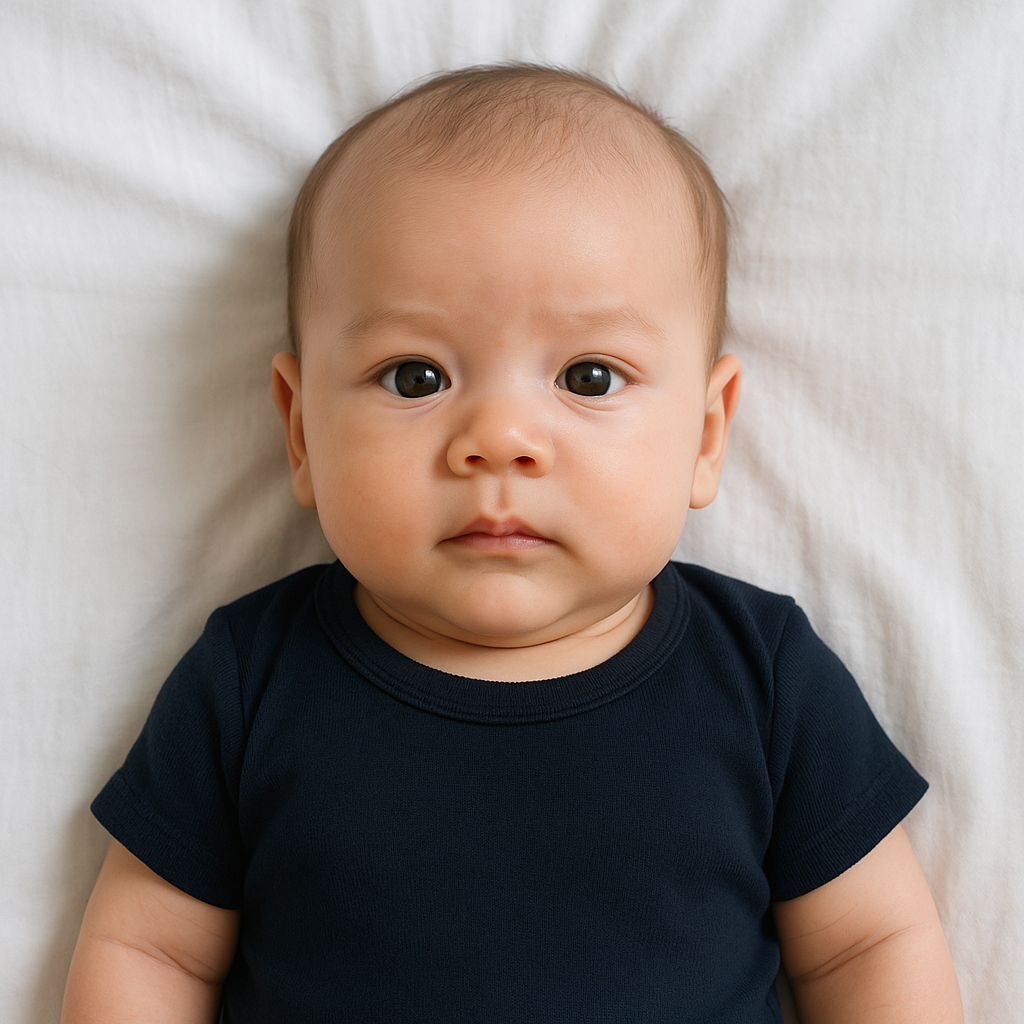
Applying for a passport for a baby in the Philippines sounds simple. Just a small photo, right? Snap, print, submit. Done. Not quite. If there’s one thing that trips parents up - especially first-timers - it’s the baby passport photo requirements Philippines 2026 update. The rules are specific. Very specific. And yes, even a tiny shadow or a barely-there smile can mean rejection. This guide breaks everything down in plain English. No jargon. No fluff. Just what parents actually need to know to get it right the first time.
Why Baby Passport Photos Are So Strict
Here’s the honest truth: passport photos aren’t about looking cute. They’re about biometric accuracy. Governments use facial recognition systems that measure distance between eyes, shape of chin, ear placement - things adults never think about. A baby’s face might be small, but the system still needs a clean, unobstructed image. Think of it like scanning a barcode at the grocery store. If it’s bent or covered, the scanner won’t read it. Same logic applies here. And yes, even infants need to meet these standards.
Official Baby Passport Photo Requirements Philippines 2026
The Department of Foreign Affairs (DFA) continues to follow strict biometric guidelines in 2026. Here’s what parents must prepare.
1. Photo Size and Dimensions
- Size: 2 inches x 2 inches (51 mm x 51 mm) - Color photo only - Taken within the last 6 months - Printed on high-quality photo paper Sounds straightforward. It is - until resizing goes wrong. Cropping too tight or too loose can invalidate the image.
2. Background Requirements
This part matters more than most expect. - Plain white background - No shadows - No patterns - No textures - No furniture visible White means white. Not cream. Not light gray. Not "almost white." If the background looks like a living room wall or wrinkled blanket, it likely won’t pass.
3. Baby’s Facial Expression
Here’s the tricky one. - Eyes open - Mouth closed - Neutral expression - Looking directly at the camera Yes, even for newborns. No laughing. No crying. No pacifiers. No wide grins. Parents often ask: what if the baby can’t hold their head up yet? That’s allowed. The head just needs to be centered and fully visible.
4. Head Position and Framing
The baby’s head must: - Be centered in the frame - Face forward - Not tilted significantly - Take up 70 to 80 percent of the image Both ears should ideally be visible. The chin cannot be cropped. The top of the head cannot be cut off. It’s precision work. Not guesswork.
5. Clothing Rules
Dress the baby in: - Normal everyday clothes - Darker colors for contrast Avoid: - White tops (they blend into the background) - Costumes - Uniforms - Hats or headbands If you ask most passport officers, they’ll say simple is best. A plain shirt works perfectly.
6. No Obstructions
This is where many parents slip up. - No hands visible - No parent’s fingers supporting the head - No toys - No pacifiers - No blankets showing Even a tiny fingertip at the corner of the frame can lead to rejection. If the baby cannot sit independently, they may lie on a white sheet - but ensure there are no folds or shadows.
Common Mistakes That Cause Rejection
Parents often assume small details won’t matter. They do. Here are the most common reasons DFA rejects baby passport photos: 1. Background not pure white 2. Baby smiling or crying 3. Motion blur 4. Shadows behind head 5. Incorrect size 6. Visible support from adult 7. Overexposed lighting A rejected photo means reprinting. Sometimes rescheduling. Sometimes delaying travel. And no parent wants that stress.
How to Take a Baby Passport Photo at Home
Professional studios work, sure. But many parents prefer doing it at home - especially with newborns. Here’s a simple process that works:
Step 1 - Prepare the Setup
Lay a clean white sheet on the floor. Make sure it’s flat. Smooth out wrinkles. Use natural light from a window. Avoid direct sunlight - it creates harsh shadows.
Step 2 - Position the Baby
Place the baby flat on their back. Stand directly above. Keep the camera parallel to the face. Make sure: - Eyes are open - Head is centered - No objects are in frame This might take several tries. Patience helps.
Step 3 - Take Multiple Shots
Don’t rely on one photo. Take 15. Take 20. Babies move. Blink. Wiggle. Review images carefully before choosing the final one.
Using Online Passport Photo Tools
Here’s a hot take: most rejections happen because of incorrect cropping. That’s where online tools make a difference. Services like BabyPassportMaker.com help parents: - Automatically resize photos to 2x2 inches - Adjust background to pure white - Ensure correct head positioning - Provide printable templates Instead of guessing dimensions, the system aligns everything according to official Philippine passport standards. It’s like using GPS instead of driving blind.
Special Considerations for Newborns
Newborn photos come with extra challenges. They sleep often. Their neck control is limited. Eyes may not stay open long. Here’s what works best: - Schedule photo time after feeding - Keep room warm and comfortable - Use soft natural light - Avoid flash If the baby’s eyes cannot stay fully open, wait and try again. The DFA typically requires eyes open for passport processing. Yes, it can test patience.
DFA Appointment Tips for Parents
The passport application doesn’t stop at the photo. Bring: - PSA birth certificate of the baby - Valid IDs of parents - Appointment confirmation - Printed passport photo (if not taken onsite) Some DFA branches capture the photo at the office. However, infants often struggle in unfamiliar environments. Many parents prefer submitting a prepared, compliant photo to reduce delays. Smart move.
Frequently Asked Questions
Can babies smile in passport photos?
No. A neutral expression is required. A slight natural expression is acceptable, but wide smiles are not.
Can a parent hold the baby?
Not visibly. No hands should appear in the image.
Can the baby wear earrings?
Small earrings are usually acceptable if they do not obstruct facial features. Large accessories are not allowed.
What if my baby keeps closing their eyes?
Try again later. The photo must show open eyes.
Why Getting It Right Matters
A passport is more than a document. It’s access. Travel. Opportunity. Submitting a rejected photo can delay processing by weeks. And imagine this - flights booked, bags packed, excitement high - then a notice says the photo failed. Avoidable? Completely.
Final Thoughts on Baby Passport Photo Requirements Philippines 2026
The rules may seem strict. They are. But they exist for consistency and security. When parents understand the baby passport photo requirements Philippines 2026 clearly, the process becomes manageable. Predictable. Even simple. Preparation makes all the difference. Use proper lighting. Follow sizing rules. Keep expressions neutral. Double-check everything. Do that, and the passport application becomes just another completed task on the parenting checklist. One less thing to worry about. And honestly - that peace of mind is worth it.