Baby Passport Photo Requirements Philippines 2026
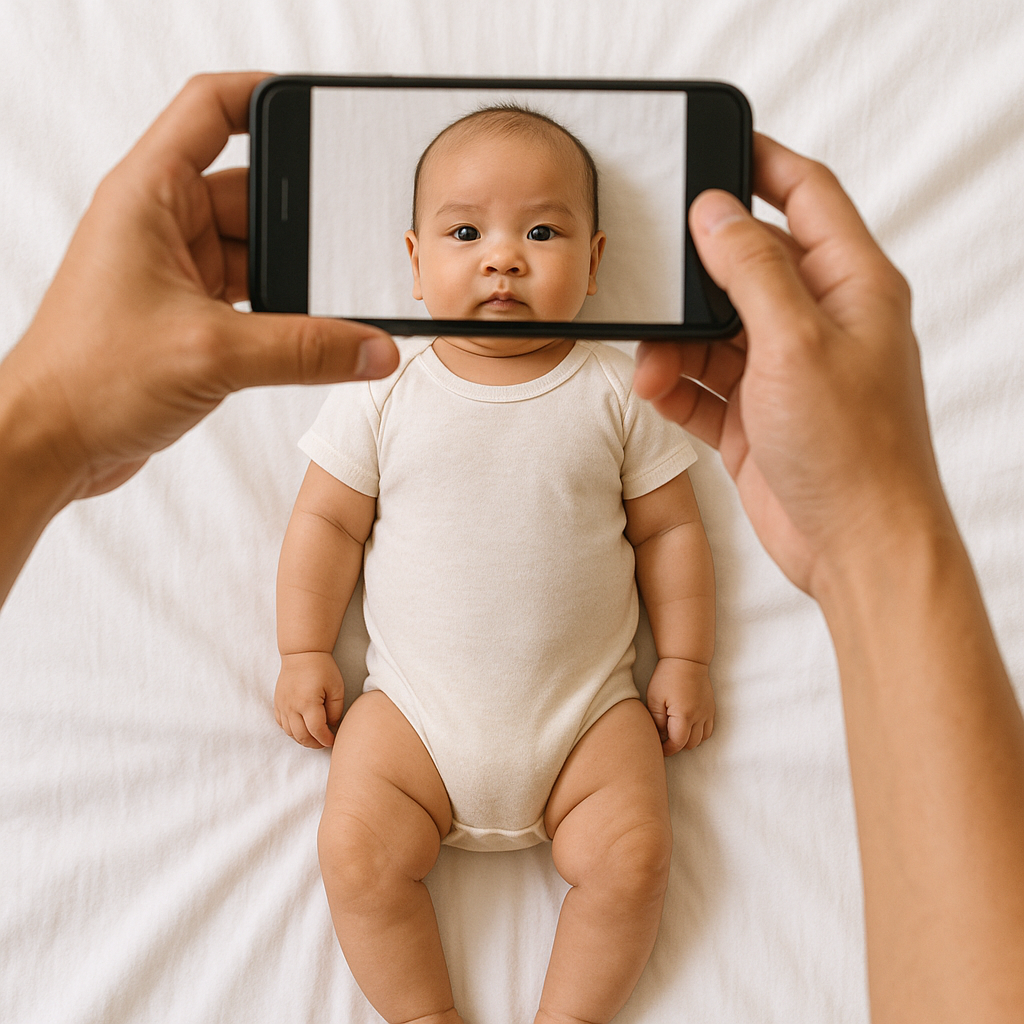
Applying for a passport for an infant in the Philippines sounds simple. Until it isn’t. One tiny mistake in the photo, and suddenly the application hits a wall. Delays. Rejections. Another appointment booked weeks later. For sleep-deprived parents juggling bottles and paperwork, that’s the last thing anyone wants. So let’s break it down - clearly, honestly, and without the bureaucratic fog. This guide covers the updated baby passport photo requirements Philippines 2026, plus practical tips to make the process smoother.
Why Baby Passport Photos Are So Strict
Here’s a hot take - passport photos are less about looking cute and more about meeting international biometric standards. Governments use facial recognition systems that measure distances between eyes, nose, chin, and ears. Think of it like a facial blueprint. If the image doesn’t meet the template, the system rejects it. No exceptions. And yes, that includes babies. Even if they can’t sit up yet. Even if they just blinked at the wrong second. Sounds unfair? Maybe. But it’s about security and global travel compliance.
Official Baby Passport Photo Requirements Philippines 2026
According to Philippine passport photo guidelines for 2026, here’s what parents must follow:
1. Photo Size and Dimensions
- Size must be 35mm x 45mm. - The face should occupy 70 to 80 percent of the frame. - Head height should measure between 32mm and 36mm. Precision matters. A few millimeters off can trigger rejection.
2. Background Rules
- Plain white background only. - No shadows. - No patterns, textures, or visible objects. The background should look clean - like a blank sheet of paper behind the child.
3. Facial Expression
This is where things get tricky. - Eyes must be open. - Mouth closed. - Neutral expression. No smiling. No crying. No half-laughing, half-yawning expression. For newborns, slight natural softness is tolerated, but visible teeth or exaggerated expressions are not allowed.
4. Head Position
- Facing directly toward the camera. - No tilting. - No turning sideways. Imagine a straight line from forehead to chin. That line should be vertical.
5. Lighting and Quality
- Even lighting. - No red-eye. - No overexposure or deep shadows. - High-resolution image. Blurry photos are instantly rejected.
6. No Obstructions
- No hats or headbands. - No pacifiers. - No toys. - No visible hands holding the baby. Parents often forget this last one. Even a fingertip peeking into the frame can disqualify the image.
Can a Baby Lie Down for the Photo?
Yes - but carefully. If the infant cannot sit upright, parents can lay the child on a plain white sheet. The camera must be positioned directly above, ensuring the head isn’t angled. The tricky part? Avoiding shadows around the head. Overhead lighting helps, but it must be soft and balanced. Think of it like photographing a delicate porcelain doll. Gentle. Centered. Clean backdrop.
Common Mistakes That Lead to Rejection
Honestly, most rejected applications happen because of tiny technical errors. Here are the most common ones: 1. Smiling baby with visible gums. 2. Slight head tilt. 3. Uneven lighting on one side of the face. 4. Parent’s hand partially visible. 5. Low-resolution print. 6. Background that looks white but isn’t pure white. It’s the small stuff. And yes, it matters.
Should Parents Use a Professional Service?
Here’s where opinions split. Some believe they can snap the picture at home using a smartphone. Others prefer professional studios. The reality? Both can work - if done correctly. However, many families now choose specialized online services like BabyPassportMaker.com because they check the photo against Philippine passport standards before submission. That extra layer of verification reduces rejection risk. And peace of mind? Hard to put a price on that.
Step-by-Step Guide to Taking a Baby Passport Photo at Home
If parents decide to DIY the process, here’s a simple roadmap.
Step 1: Set Up the Background
Use a white wall or a clean white sheet. Make sure there are no wrinkles creating shadow lines.
Step 2: Position the Baby
- For newborns: Lay flat on their back. - For older infants: Sit upright against a white surface. Keep the head straight. Not leaning. Not turned.
Step 3: Adjust Lighting
Natural daylight works best. Position near a window but avoid direct sunlight. No harsh ceiling shadows.
Step 4: Take Multiple Shots
Don’t rely on one image. Take ten. Or twenty. One of them will capture that brief moment when eyes are open and mouth is relaxed.
Step 5: Check Measurements
Resize according to 35mm x 45mm specifications. Double-check head proportions. Sounds simple, right? In practice, it takes patience.
Dress Code for Baby Passport Photos
Yes, even clothing matters. - Avoid white outfits that blend into the background. - Choose soft, solid colors. - No busy prints. Dark or pastel shades usually work best. The goal is contrast without distraction.
How Recent Must the Photo Be?
For passport applications in the Philippines, the image should be taken within the last six months. But for infants, it’s wise to use a very recent picture. Babies change fast. What looked accurate three months ago may not match their current appearance. Growth at this stage happens almost overnight.
Digital vs Printed Photos
Applicants often wonder whether digital copies are acceptable. For online appointments or preliminary submissions, digital files may be required. However, printed copies must meet high-quality photo paper standards. Cheap printing paper? Risky move. High-resolution glossy or matte photo paper ensures clarity and durability.
What Happens If the Photo Gets Rejected?
It happens more often than people admit. If the Department of Foreign Affairs flags the image as non-compliant, parents must submit a new one. That can delay processing. Sometimes by weeks. That’s why reviewing every detail beforehand is critical.
Quick Checklist Before Submission
Before heading to the appointment, review this: - Correct size: 35mm x 45mm. - White background. - Eyes open. - Neutral expression. - No shadows. - No visible hands. - Proper lighting. - High resolution. If all boxes are checked, chances of approval increase dramatically.
Final Thoughts on Baby Passport Photo Requirements Philippines 2026
Preparing a baby passport photo in 2026 isn’t complicated - but it is precise. It demands attention to detail. Patience. A bit of strategy. Parents who understand the requirements ahead of time avoid unnecessary stress. They skip repeat appointments. They keep travel plans intact. And let’s be honest, traveling with a baby already requires military-level organization. The photo shouldn’t be the thing that derails everything. Whether choosing a professional studio or a verified platform like BabyPassportMaker.com, the key is compliance with official Philippine passport standards. Because when the boarding call finally echoes through the airport and that tiny passport gets stamped for the first time, all the careful preparation suddenly feels worth it. Simple photo. Big milestone.