Baby Passport Photo Requirements Philippines 2026
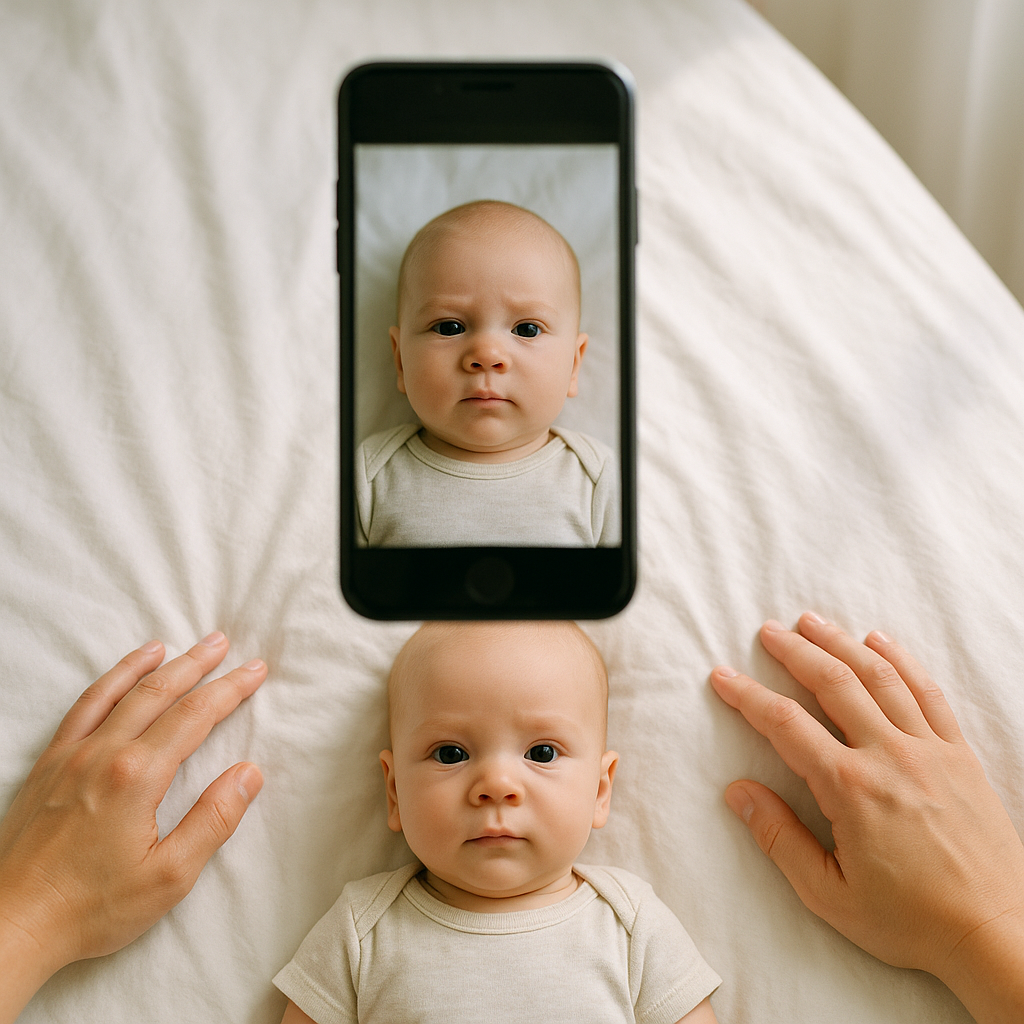
Getting a passport for a baby in the Philippines sounds simple. Tiny human. Tiny photo. Done, right? Not quite. Parents quickly discover that baby passport photo requirements in the Philippines come with very specific rules - and yes, even infants are expected to meet them. One small mistake and the application gets delayed. No one wants that, especially when travel plans are already booked. So here’s a clear, practical, and slightly opinionated guide to baby passport photo requirements Philippines 2026. No fluff. Just what actually matters.
Why Baby Passport Photos Are Taken So Seriously
If you ask most parents, they’ll say the same thing: "It’s just a baby photo. Why so strict?" Here’s the thing. A passport photo isn’t just a picture. It’s a biometric identifier. Think of it as your child’s global ID card. Immigration systems use facial recognition technology, and even newborns must meet international standards set by ICAO. That means: - Proper lighting - Correct head positioning - Neutral background - Exact size It’s not about looking cute. It’s about looking compliant.
Official Baby Passport Photo Requirements Philippines 2026
Let’s break this down clearly so there’s zero confusion.
1. Photo Size
The required size for Philippine passport photos is: - 35mm x 45mm - Head height between 32mm and 36mm Yes, they measure it. If the head appears too small or too large within the frame, the application can be rejected.
2. Background
The background must be: - Plain white - No patterns - No shadows - No texture Off-white? Risky. Cream? Don’t try it. Printed wall with subtle design? Definitely no. Clean white is the safest route.
3. Facial Expression
This is where things get interesting. For adults, neutral expression means no smiling. For babies, the rules are slightly flexible - but only slightly. The baby should: - Have eyes open (if possible) - Look toward the camera - Have mouth closed - Show no exaggerated expressions A soft, natural expression is acceptable. A wide-open laughing face? Not ideal.
4. Head Position
The baby’s head must be: - Centered in the frame - Facing forward - Not tilted left or right - Not looking up or down Sounds easy until you try photographing a six-month-old who just discovered neck strength.
5. No Visible Support
Parents cannot appear in the photo. That includes: - No hands holding the baby’s head - No fingers supporting the chin - No shoulders visible in the background Even a tiny finger in the corner can cause rejection. Many parents lay the baby flat on a white sheet to avoid this issue. Smart move.
6. Clothing Rules
Keep it simple. - No white tops (they blend with the background) - No uniforms - No hats or headbands - No large bows Religious head coverings are allowed for older applicants, but babies should have a clear, unobstructed view of the face. Simple, solid-colored clothing works best.
Common Mistakes Parents Make
Here’s where things often go sideways. 1. Using shadows without noticing them 2. Letting the baby smile widely 3. Submitting low-resolution images 4. Cropping incorrectly 5. Choosing off-white backgrounds The frustrating part? Everything might look fine on a phone screen. But once printed, imperfections become obvious. Lighting especially can ruin an otherwise perfect shot. Natural daylight works best. Harsh flash creates glare. Uneven indoor lighting creates shadows under the chin. It’s a balancing act.
DIY Baby Passport Photos - Is It Worth It?
Here’s a hot take. DIY sounds cheaper. But sometimes it ends up costing more - in time, stress, and reprints. Getting a baby to cooperate is like trying to photograph a cat that just discovered espresso. Unpredictable. Wiggly. Slightly chaotic. Parents who attempt the DIY route should: - Use natural daylight near a window - Lay baby on a flat white surface - Remove distracting accessories - Take multiple shots (at least 20) - Check measurements carefully before printing And then double-check everything. Because the Department of Foreign Affairs does not accept "almost correct."
Professional Help - Why Many Parents Choose It
For many families, convenience wins. Online services like BabyPassportMaker.com specialize in baby passport photo requirements Philippines compliance. They adjust lighting, correct sizing, and ensure proper cropping according to official standards. Instead of guessing whether the head size is 31mm or 32mm, parents get a properly formatted file ready for submission. It removes the uncertainty. And honestly, peace of mind has value.
Special Considerations for Newborns
Newborns come with unique challenges. They: - Close their eyes frequently - Have limited neck control - Move unpredictably The DFA understands this. Slight flexibility is allowed, especially regarding facial expression and eye direction. However, the face must still be clearly visible. Tips specifically for newborns: - Photograph them when calm or sleepy but with eyes slightly open - Feed before the session to avoid crying - Use a firm white mattress cover as background Timing matters more than people realize.
How Recent Rule Updates Affect 2026 Applications
For 2026, enforcement has become stricter regarding digital clarity and biometric compatibility. Photos must: - Be high resolution - Have no filters - Show natural skin tone - Avoid over-editing Over-smoothing apps are a problem. Immigration systems rely on authentic facial details. Blurring tiny features may cause processing issues. Natural is best. Think of it this way: the goal isn’t a magazine cover. It’s identification.
Step-by-Step Checklist Before Submitting
Before sending that application, review this quick checklist: 1. Is the photo exactly 35mm x 45mm? 2. Is the background pure white? 3. Is the baby’s face centered and forward-facing? 4. Are both eyes visible? 5. Are there zero shadows? 6. Is no parent visible? 7. Is the resolution sharp and clear? If every answer is yes, you’re good. If even one is "maybe" - fix it.
How Long Is a Baby Passport Valid?
Philippine passports for minors are valid for five years. That means today’s tiny newborn photo might look dramatically different from the child at age four. And that’s perfectly fine. Biometric systems account for growth changes. Still, the original photo must meet standards at the time of issuance.
Final Thoughts on Baby Passport Photo Requirements Philippines 2026
Baby passport photo requirements Philippines 2026 are strict - but manageable. Once parents understand the rules, the process becomes far less intimidating. It’s mostly about precision. Measurements. Clean background. Clear face. No guesswork. Some families choose the DIY route. Others prefer professional services like BabyPassportMaker.com for accuracy and convenience. Either way, preparation makes everything smoother. Because when travel day comes, the last thing anyone wants is a delay caused by a 1mm sizing issue. And really, wouldn’t it be nice if the hardest part of planning a trip with a baby was packing diapers - not fixing a passport photo?