Baby Passport Photo Requirements Philippines 2026
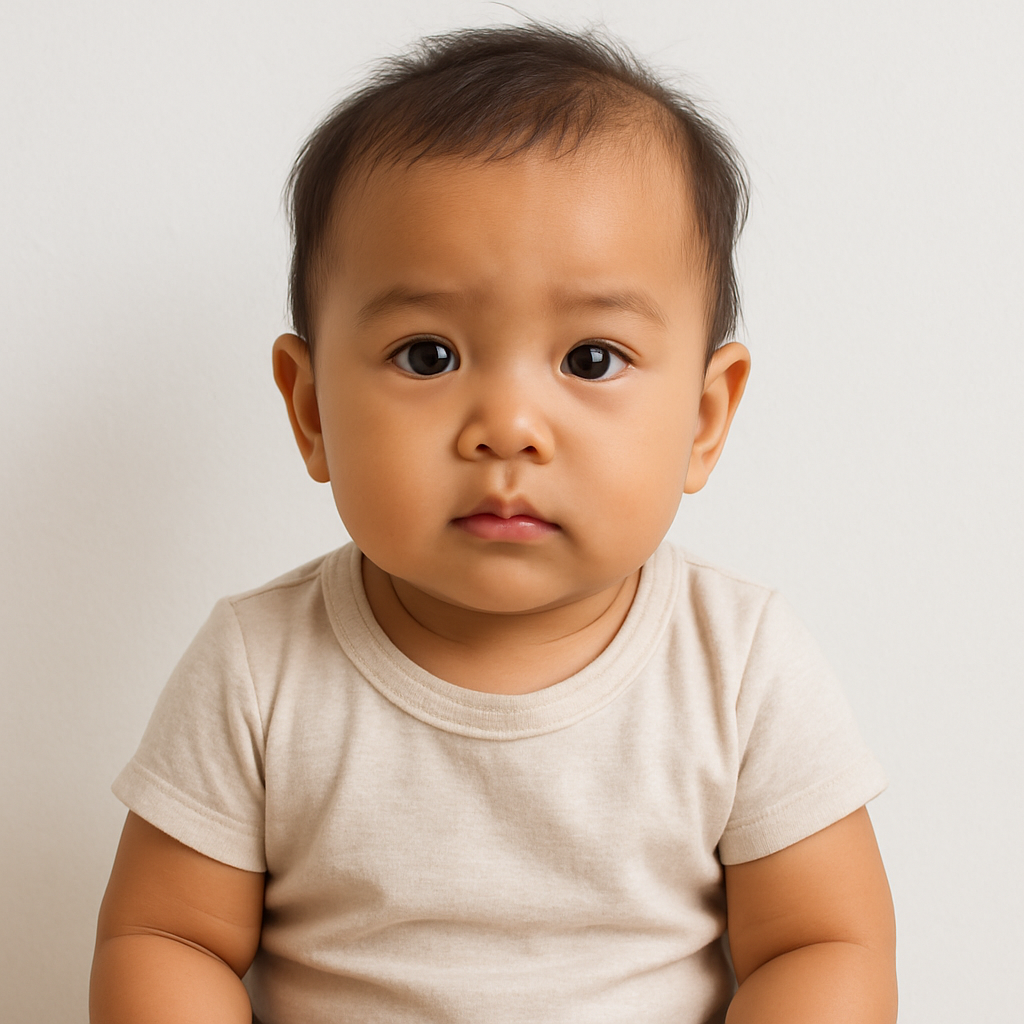
Getting a passport photo for a baby sounds easy. Just snap a picture, print it, done. Right? Not quite.
In the Philippines, baby passport photo requirements are strict - and in 2026, they’re even more specific. Parents who ignore the tiny details often face delays, rejections, or that frustrating moment at the DFA counter when an officer shakes their head.
This guide breaks everything down clearly, honestly, and without fluff. If someone wants a smooth passport application for their little one, this is what they need to know.
Why Baby Passport Photos Are So Strict
Here’s the thing: passport photos aren’t just pictures. They’re biometric identification tools. Governments use them for facial recognition, border control systems, and identity verification.
A blurry smile or a shadow across a baby’s cheek? That can cause problems later.
Philippine authorities follow international ICAO standards. That means even newborns must meet technical rules. Sounds intense for a tiny human who can’t even hold their head up. But rules are rules.
Official Baby Passport Photo Requirements Philippines 2026
Let’s get specific. These are the updated 2026 requirements parents must follow.
1. Photo Size and Dimensions
- Size: 35mm x 45mm
- Head height: 70% to 80% of the photo
- Head centered and facing forward
The baby’s face should dominate the frame. Too far away? Rejected. Too close? Also rejected.
2. Background Rules
- Plain white background
- No patterns
- No shadows
- No texture
White means white. Not cream. Not light gray. Not "almost white but looks fine." Immigration systems detect contrast differences that human eyes often ignore.
3. Facial Expression
This part makes parents nervous.
The baby must:
- Look directly at the camera
- Keep eyes open
- Have a neutral expression
- Keep mouth closed
No smiling. No crying. No tongue out. Sounds impossible? It’s not - but it takes patience.
4. Head Position and Visibility
- Full face visible
- No tilted head
- No hands covering the face
- No toys in frame
If a parent’s hand is supporting the baby’s head, it must not be visible. That’s one of the most common rejection reasons.
5. Lighting and Quality
- Even lighting
- No harsh shadows
- No red-eye
- High resolution
- No filters
Natural light near a window often works best. Flash can create glare or uneven shadows, especially on delicate baby skin.
6. Clothing Rules
- No white tops
- No uniforms
- No hats or headbands
- No visible accessories
White clothes blend into the background. The result? A floating baby head effect. Definitely not acceptable.
Common Mistakes That Get Baby Photos Rejected
If you ask seasoned passport officers, they’ll say most rejections happen for the same reasons.
- Visible parent hands
- Shadow behind the head
- Baby lying on patterned blanket
- Low-resolution phone photo
- Incorrect size printing
It’s usually something small. Tiny detail. Big consequence.
How to Take a Baby Passport Photo at Home
Professional studios work well, but many parents prefer doing it at home. It’s cheaper. It’s convenient. And honestly, babies cooperate better in familiar spaces.
Step-by-Step Setup
1. Prepare the Background
Use a plain white wall. No wall? Lay a white sheet flat on the floor.
2. Position the Baby
For newborns, lay them flat on their back. For older infants, sit them upright with hidden support.
3. Use Natural Light
Face the baby toward a window. Avoid overhead lights that cast shadows.
4. Take Multiple Shots
Don’t expect perfection in one click. Take 20. Maybe 40. One will work.
5. Check Alignment
Make sure the head is straight and centered before printing.
Simple? Yes. Easy? Not always.
Online Tools That Make It Easier
Here’s a hot take - most photo rejections happen during resizing and formatting, not shooting.
Parents take a decent picture. Then they crop it wrong. Or print the wrong dimensions. Or misjudge head spacing.
That’s where services like BabyPassportMaker.com come in. The platform automatically adjusts:
- Correct passport size for the Philippines
- Proper head proportions
- Background cleanup
- Alignment correction
Instead of guessing measurements, parents upload the photo and let the system handle technical compliance. It reduces the risk of DFA rejection significantly.
Special Considerations for Newborns
Newborn passport photos feel like photographing a sleepy cloud. They don’t sit up. They can’t focus well. Their eyes wander.
DFA guidelines allow slight flexibility for infants under one year old:
- Mouth slightly open may be accepted
- Minor eye direction variation sometimes tolerated
- Small head tilt may pass if facial features are clear
But don’t rely on exceptions. Aim for full compliance whenever possible.
Printing Guidelines for Baby Passport Photos
Digital compliance isn’t enough. Printing matters.
Use:
- High-quality photo paper
- Matte or semi-gloss finish
- Accurate 35mm x 45mm dimensions
- No creases or damage
Never cut photos unevenly. Crooked edges can result in rejection.
How Long Is a Baby Passport Valid in the Philippines?
As of 2026, Philippine passports for minors are valid for five years.
That means this tiny photo - possibly taken when the baby is just weeks old - becomes official identification for half a decade.
Another reason accuracy matters.
Frequently Asked Questions
Can a baby smile in a passport photo?
No. Neutral expression is required. A soft relaxed face works best.
Can the baby wear a headband?
No. Head accessories are not allowed unless for religious reasons.
What if the baby keeps closing their eyes?
Take photos when they’re alert - usually after a nap and feeding. Timing makes a huge difference.
Can parents hold the baby?
Yes, but hands must not be visible in the final image.
Practical Tips for Stress-Free Baby Passport Photos
Parents who’ve done this successfully usually follow a few simple strategies:
- Schedule the shoot after feeding time
- Keep the room quiet
- Use a fast shutter speed
- Stay patient
- Expect multiple attempts
Babies don’t follow instructions. They operate on their own schedule. Accepting that reality makes the process smoother.
Final Thoughts on Baby Passport Photo Requirements Philippines 2026
Baby passport photo requirements in the Philippines aren’t complicated - they’re precise.
White background. Correct size. Neutral expression. Proper lighting. No distractions.
Miss one detail, and the application may stall. Get everything right, and the rest of the passport process feels surprisingly smooth.
For parents who want to avoid repeat visits and unnecessary stress, understanding these 2026 rules is the smartest first step.
Because when it comes to international travel, even the smallest travelers need perfectly sized photos.