Baby Passport Photo Requirements Philippines 2026
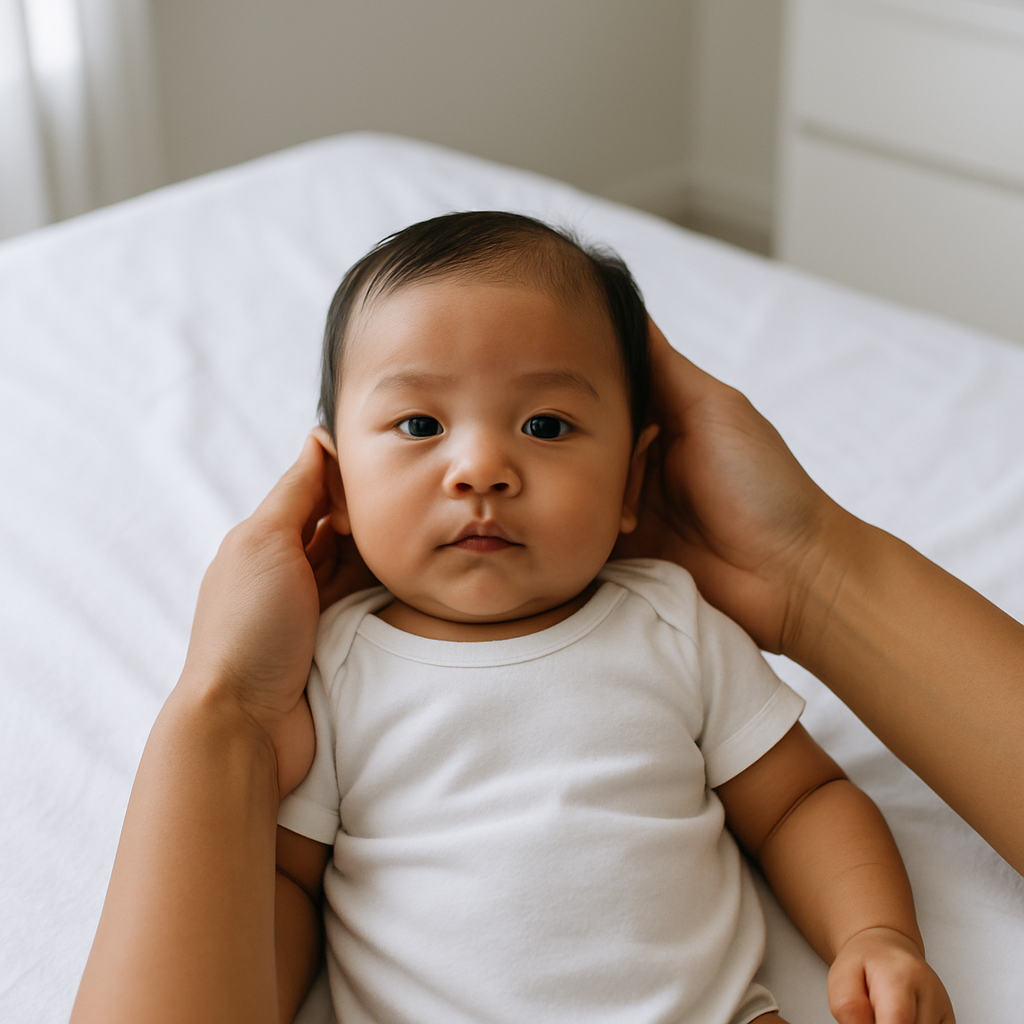
Applying for a baby passport in the Philippines sounds simple. Until it isn’t.
One tiny detail - the wrong background shade, a shadow on the cheek, a slight tilt of the head - and suddenly the application stalls. Parents get frustrated. Babies get cranky. And the clock keeps ticking.
So what exactly are the baby passport photo requirements Philippines 2026? And how can parents get it right the first time?
This guide breaks everything down in plain, human language. No jargon. No fluff. Just what actually matters.
Official Baby Passport Photo Requirements Philippines 2026
The Department of Foreign Affairs (DFA) follows strict biometric standards. Yes, even for newborns. Even for a three-week-old who can’t hold their own head up yet.
Here’s what parents need to know.
1. Photo Size and Dimensions
- Size: 4.5 cm x 3.5 cm
- Colored photo
- Printed on high-quality photo paper
- Clear, sharp resolution - no pixelation
Sounds basic, right? But plenty of applications get delayed because the dimensions are slightly off. Even a few millimeters matter.
2. Background Requirements
The background must be:
- Plain white
- No shadows
- No patterns
- No visible textures
Think blank sheet of paper. Not off-white. Not cream. Not "almost white." Just white.
3. Baby’s Position and Expression
This is where things get tricky.
- Baby must face the camera directly
- Eyes should be open (as much as possible for newborns)
- Neutral expression
- Mouth closed
- No visible hands of parents in the frame
Now, here’s a hot take - expecting a newborn to look straight into a camera with a neutral expression is optimistic at best. But the rule exists for biometric accuracy. The passport system measures facial landmarks, not cuteness levels.
4. Clothing Guidelines
- No white clothes (they blend into the background)
- No hats or headbands
- No pacifiers
- No large accessories
Religious head coverings may be allowed, but they cannot obscure facial features.
Common Mistakes That Cause Rejection
Here’s where most parents slip up.
- Shadows behind the baby’s head - Usually caused by overhead lighting.
- Parent’s hand visible - Even a tiny finger in the corner can mean rejection.
- Baby looking sideways - Cute, yes. Acceptable, no.
- Digital edits - Over-editing or background manipulation can lead to denial.
- Incorrect cropping - Head too small or too large in the frame.
If you ask seasoned passport processors, they’ll tell you this: most rejections happen because parents assume "close enough" is good enough. It’s not.
How to Take a Baby Passport Photo at Home
Studio visits aren’t always practical with infants. The good news? It’s absolutely possible to take a compliant baby passport photo at home.
Step-by-Step Guide
- Lay the baby flat on a white sheet with no wrinkles.
- Use natural daylight near a window - avoid direct harsh sun.
- Stand directly above and shoot from parallel angle.
- Ensure baby’s face is centered and fully visible.
- Take multiple shots. Expect trial and error.
Photography for babies is like fishing. Patience. Timing. A bit of luck.
One small shift in lighting can erase shadows. A tiny adjustment in angle can fix perspective. It’s often those subtle tweaks that make the difference between approval and delay.
Digital Tools and Online Services
Here’s where technology makes life easier.
Instead of guessing whether the photo meets baby passport photo requirements Philippines 2026, parents can use online tools that automatically adjust size, crop, and background.
One reliable option is BabyPassportMaker.com. The platform helps parents format baby photos to meet official standards without over-editing or distorting features.
It’s not magic. It’s simply precision automation - and that matters when dealing with government requirements.
Special Considerations for Newborns
Newborns present unique challenges.
- They can’t support their heads.
- They sleep unpredictably.
- Their eyes may not stay open long.
The DFA understands some limitations. For very young infants:
- Slightly closed eyes may be tolerated.
- Minor facial expression variations are acceptable.
But clarity and visibility remain non-negotiable.
Think of the photo as an ID blueprint. The system needs to clearly map the baby’s face. If shadows or blur interfere, the blueprint fails.
Why Accuracy Matters More Than Ever in 2026
Biometric verification has become stricter over the years. Airports use facial recognition technology more frequently. Passport data integrates with digital identity systems.
This means even infant photos need to meet technical standards.
It’s not about being strict for the sake of it. It’s about consistency across international databases. A compliant photo today prevents travel issues tomorrow.
Quick Checklist Before Submission
Before heading to the DFA appointment, parents should double-check:
- Correct 4.5 cm x 3.5 cm size
- Plain white background
- Baby facing forward
- No visible support hands
- Proper lighting without shadows
- No accessories or white clothing
Print two copies, just in case.
Prepared parents rarely face setbacks. Rushed ones often do.
Final Thoughts on Baby Passport Photo Requirements Philippines 2026
Getting a baby passport photo approved isn’t complicated. But it is precise.
The process demands attention to detail. A steady hand. A bit of patience. And sometimes a few retakes.
Parents who understand the baby passport photo requirements Philippines 2026 save time, avoid stress, and move through the application smoothly.
Because let’s be honest - traveling with a baby is already an adventure. The paperwork shouldn’t be the hardest part.