Baby Passport Photo Requirements Philippines 2026
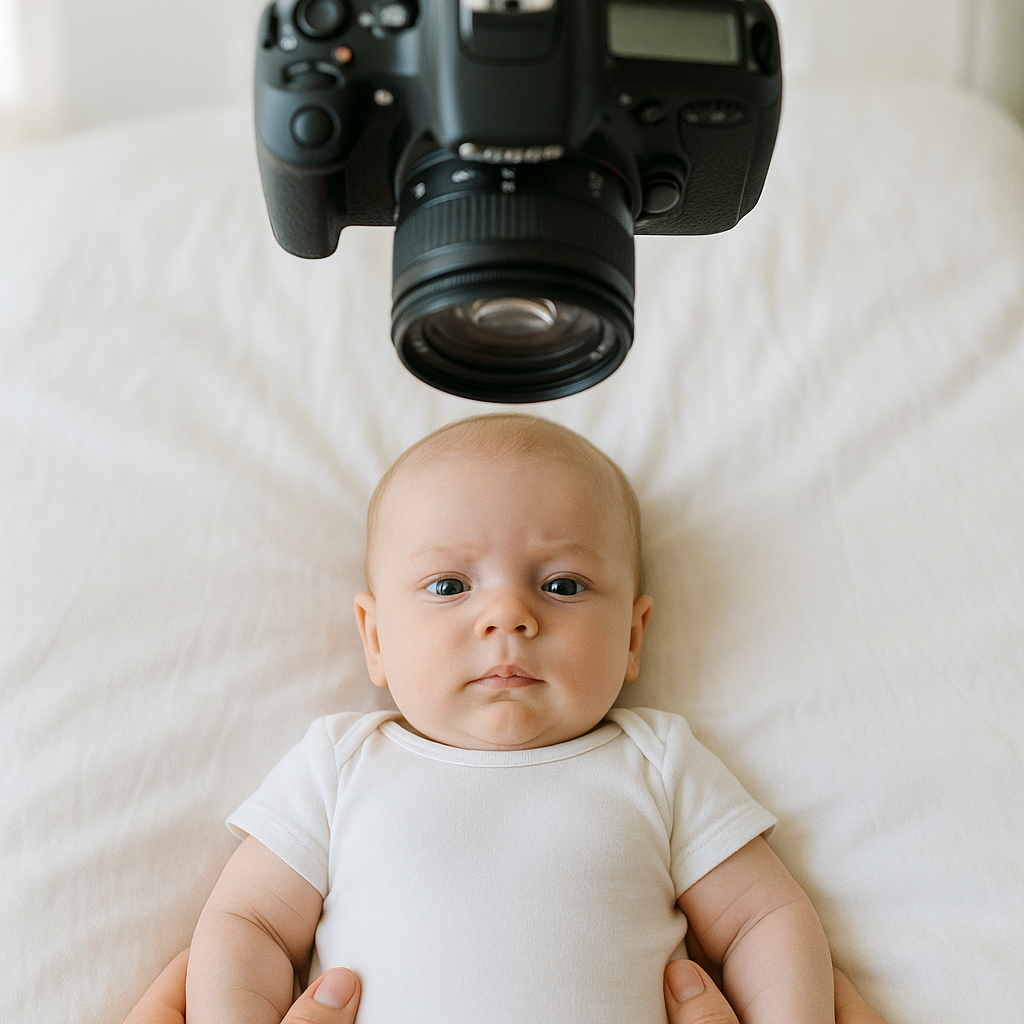
Applying for a passport for an infant in the Philippines sounds simple. Take a cute photo. Submit the papers. Wait. But anyone who has actually done it knows better. A baby passport photo is not just a tiny version of an adult ID picture. It comes with its own rules, tiny details, and surprisingly strict standards. One wrong shadow. One slightly tilted head. One blurred edge. Rejected. And nobody wants to reschedule an appointment at the DFA because the baby blinked. This guide breaks down the official baby passport photo requirements in the Philippines for 2026 - clearly, practically, and without the robotic checklist feel. If you’re preparing for a DFA appointment soon, this will save you time, stress, and possibly a meltdown or two.
Why Baby Passport Photos Are So Strict
Here’s the thing: passports today are biometric documents. They are designed for facial recognition systems, border security scanners, and international databases. That tiny photo? It’s scanned, analyzed, and stored. If the lighting is uneven, if the baby’s eyes are partially covered, or if there’s even a slight shadow across the face, the system may not properly read it. That’s why the Philippine Department of Foreign Affairs (DFA) enforces strict image standards. Sounds intense for a six-month-old, right? Still, rules are rules.
Official Baby Passport Photo Requirements Philippines 2026
Let’s get straight to what matters most.
1. Photo Size
The required size for Philippine passport photos is:
- 35mm x 45mm
- Head height must measure between 32mm and 36mm
- Head must be centered
Too zoomed in? Rejected. Too small? Rejected. Precision matters.
2. Background Requirements
The background must be:
- Plain white
- No shadows
- No patterns
- No textures
No blankets with cute designs. No off-white walls. No curtains. Even a faint shadow can cause issues during processing.
3. Baby’s Facial Expression
This is where it gets tricky. The baby must:
- Have a neutral expression
- Keep eyes open (if age-appropriate)
- Look directly at the camera
- Keep mouth closed
For newborns, slight mouth opening may be tolerated. But smiling widely? Not ideal. Have you ever tried convincing a toddler not to smile at a camera? Exactly.
4. Head Position and Visibility
The baby’s head must be:
- Centered
- Facing forward
- Not tilted
- Fully visible
Both ears should ideally be visible, although this is more flexible for infants. The key requirement is that the entire face is clear and unobstructed. No hands in the frame. No pacifiers. No toys. No parent fingers sneaking in from the side.
5. Clothing Rules
Clothing must be simple and everyday. Avoid:
- White tops that blend into the background
- Costumes
- Uniforms
- Hats or headbands (unless for religious reasons)
Keep it simple. A soft-colored shirt works perfectly.
6. Lighting Standards
Lighting should be:
- Even
- Bright but not harsh
- Free from shadows on face or background
- Without red-eye effect
Natural daylight near a window often works well - but avoid direct sunlight that creates strong contrast.
Common Reasons Baby Passport Photos Get Rejected
Here’s a quick reality check. Most rejections happen because of small, avoidable mistakes. Not major ones. Common problems include:
- Shadow behind the baby’s head
- Blurry image due to movement
- Wrong photo size
- Head slightly tilted
- Parent’s hand partially visible
- Background not pure white
- Baby smiling too widely
Tiny details. Big consequences. If you ask most experienced parents, they’ll tell you - getting the shot is the hardest part of the entire passport application.
Tips for Taking a Baby Passport Photo at Home
Studio visits are convenient, but not always practical with infants. Taking the photo at home is absolutely possible - if done correctly. Here’s how to increase your chances of approval.
Use a White Sheet
Lay a plain white sheet on the floor. Place the baby on their back. Shoot from directly above. Simple. Effective.
Support Without Being Seen
If the baby can’t sit upright yet, support them from behind but keep hands completely out of frame. Editing out fingers later is risky and may cause rejection.
Take Multiple Shots
Don’t rely on one photo. Take 20. Seriously. Babies blink. They turn. They wiggle. One good frame out of many is normal.
Check Measurements Carefully
Even if the image looks perfect, incorrect scaling will cause problems. That’s where many DIY attempts fail.
Using Online Tools for Perfect Sizing
This is where technology helps. Instead of manually cropping and guessing dimensions, parents can use professional tools that automatically adjust:
- Correct Philippine passport size
- Head positioning
- Background correction
- Biometric compliance checks
One reliable option is BabyPassportMaker.com. The platform helps parents convert a regular baby photo into a passport-compliant image formatted specifically for Philippine requirements. It removes background inconsistencies, adjusts size precisely, and ensures alignment meets standards. That’s peace of mind. Because guessing millimeters while holding a restless infant? Not fun.
DFA Appointment: Will They Take the Photo On-Site?
For most applicants, DFA captures biometric photos during the appointment. However, newborns and very young babies may require pre-prepared photos depending on location and situation. It’s always best to check with your specific DFA branch before the appointment date. Preparation avoids surprises.
Special Cases for Newborns
Newborn passport photos are slightly more flexible regarding:
- Eye opening
- Mouth position
But clarity remains mandatory. The face must still be clearly visible and unobstructed. Think of it like airport security - even tiny passengers follow the rules.
How to Prepare Before Your DFA Visit
Beyond the photo itself, parents should:
- Confirm appointment schedule
- Bring PSA birth certificate
- Bring valid IDs of parents
- Bring additional copies of documents
- Ensure baby is well-rested before photo capture
A sleepy baby can mean closed eyes during biometric capture. Timing matters.
Final Thoughts on Baby Passport Photo Requirements Philippines 2026
A baby passport photo may look simple. It’s not. It’s technical. Precise. Surprisingly strict. But once parents understand the official 2026 requirements - correct size, white background, neutral expression, proper lighting - the process becomes manageable. Think of it like assembling a small puzzle. Each piece is minor on its own. Together, they create something official and powerful: a passport that allows a child to travel the world. And that’s worth getting right the first time. With proper preparation, careful attention to detail, and possibly a little help from specialized tools, parents can avoid rejection and secure approval smoothly. No stress. No re-shoots. No last-minute panic. Just one tiny photo that opens very big doors.