Baby Passport Photo Requirements Philippines 2026
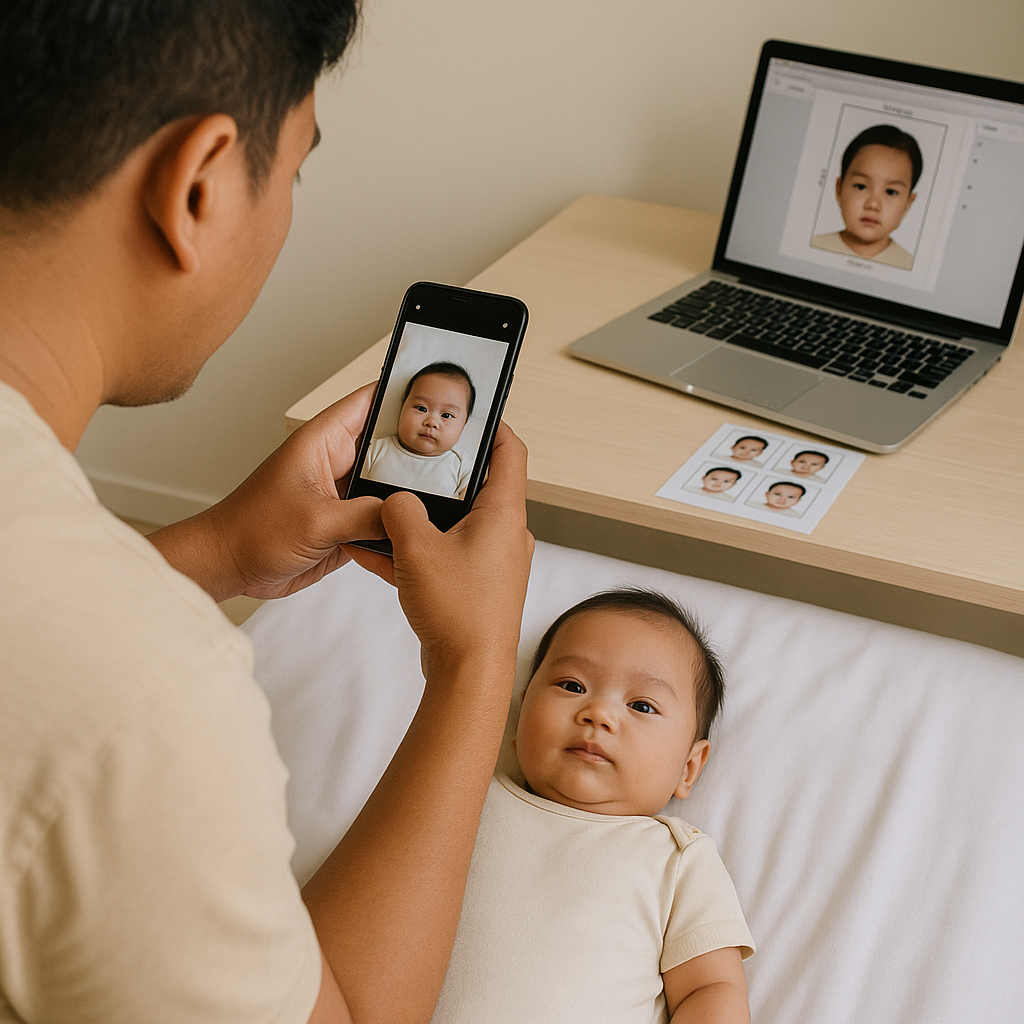
Applying for a baby passport in the Philippines sounds simple on paper. Take a photo. Submit documents. Wait. Done, right?
Not quite.
Infant passport photo requirements are surprisingly strict, and even a tiny mistake - a shadow on the cheek, a slightly tilted head, the wrong background tone - can send parents back to square one. In 2026, the Department of Foreign Affairs continues to enforce precise standards, and yes, they really do check.
Here’s what parents need to know, without the fluff and without the confusing legal language.
Why Baby Passport Photos Are So Strict
Let’s start with the obvious question. Why are baby photos treated like they’re for a top-secret ID badge?
Because a passport is exactly that - a secure government identification document used worldwide. Immigration systems scan facial features digitally. Even infants must meet biometric standards. The image must clearly show the baby’s face so that facial recognition software can work accurately.
Sounds intense for someone who can’t even sit up yet? Absolutely. But rules are rules.
Official Baby Passport Photo Requirements Philippines 2026
Below are the updated specifications parents must follow when preparing a baby passport photo in the Philippines:
1. Photo Size
- Size must be 35mm x 45mm
- Head height should measure between 32mm and 36mm
- Face must be centered
Precision matters here. Too zoomed in? Rejected. Too small? Also rejected.
2. Background Requirements
- Plain white background
- No shadows
- No patterns or textures
This is where most parents slip up. A cream wall is not white. A bedsheet with faint texture is not plain. Even subtle shadows behind the head can cause delays.
3. Baby’s Expression and Position
- Eyes open and visible
- Mouth closed
- Neutral expression
- Head facing directly forward
Now here’s the tricky part. Babies don’t take instructions. They blink. They wiggle. They smile randomly. The DFA doesn’t allow wide grins, crying faces, or side glances.
It has to be neutral. Calm. Centered.
Good luck, right?
4. No Obstructions
- No hands visible
- No parent holding the baby in frame
- No pacifiers
- No toys
- No hats or headbands
This includes fingers supporting the head. Even a tiny thumb peeking into the frame can cause rejection.
5. Lighting Rules
- Even lighting across the face
- No red-eye
- No harsh shadows
- No glare
Natural daylight works best. Flash photography often creates uneven skin tones or reflective spots.
Can Babies Close Their Eyes in Passport Photos?
Short answer - no.
For newborns, authorities may allow slightly relaxed eyelids, but fully closed eyes are not acceptable. The baby must appear awake. If you ask most parents, this is the hardest part.
Timing becomes everything. Try scheduling the photo during an alert period - usually after feeding and a short rest.
Clothing Guidelines for Baby Passport Photos
Clothes matter more than people think.
- Dress the baby in darker colors for contrast
- Avoid white outfits that blend into the background
- No uniforms
- No distracting prints
Simple works best. A plain navy or soft pastel onesie usually does the trick.
Common Reasons Baby Passport Photos Get Rejected
If you want to avoid delays, watch out for these common mistakes:
- Background not pure white
- Visible shadows behind the head
- Baby looking sideways
- Blurry image
- Overexposed lighting
- Parent’s hand visible
- Incorrect photo dimensions
Rejections waste time. And if travel is urgent, that delay feels ten times worse.
DIY Baby Passport Photo at Home - Is It Worth It?
Some parents try the DIY route. They place a white sheet on the floor. Lay the baby down. Snap dozens of photos hoping one works.
It can work. But it takes patience.
The biggest challenge? Getting the exact dimensions and cropping correct. A photo that looks fine on a phone screen may not meet biometric requirements once printed.
This is where online tools have become surprisingly helpful.
Using Online Tools Like BabyPassportMaker.com
Technology has made things easier for modern parents. Services like BabyPassportMaker.com allow users to upload a photo and automatically adjust it to meet Philippine baby passport photo requirements.
Here’s why many families choose this route:
- Automatic background correction
- Proper cropping to 35mm x 45mm
- Face alignment adjustments
- Instant digital download
Honestly, for busy parents juggling feeding schedules and paperwork, that convenience can feel like a lifesaver.
Step-by-Step Guide to Taking a Baby Passport Photo at Home
For those determined to do it themselves, here’s a practical approach:
Step 1 - Prepare the Background
Use a clean white wall or smooth white sheet. Make sure it’s wrinkle-free.
Step 2 - Use Natural Light
Position the baby facing a window. Avoid direct sunlight that creates harsh contrast.
Step 3 - Stabilize the Baby
Lay infants flat on their back on the sheet. Older babies can sit upright with proper support outside the frame.
Step 4 - Take Multiple Shots
Don’t settle for one image. Take 20. Or 40. Digital photos cost nothing.
Step 5 - Check Requirements Carefully
Before printing, confirm measurements match DFA standards exactly.
Think of it like baking. Even if the cake looks fine, missing a measurement can ruin the final result.
Special Cases - Newborns and Medical Exceptions
Newborns under a few months old may struggle to hold their heads straight. The DFA can allow slight head tilt for very young infants, but facial features must remain fully visible.
Medical head coverings are permitted only for religious or health reasons. Documentation may be required.
How Recent Should the Photo Be?
The baby passport photo must be taken within the last six months.
That may seem generous, but babies change fast. A three-month difference can mean completely different facial features.
If the baby looks noticeably older during appointment day compared to the submitted photo, officials may request a new image.
Printing Requirements
- High-quality photo paper
- Matte or semi-matte finish preferred
- No creases or damage
- No edits or filters
Avoid glossy prints that reflect light. Keep it clean and professional.
Final Thoughts on Baby Passport Photo Requirements Philippines 2026
Getting a baby passport photo in the Philippines isn’t complicated - but it is precise.
Parents who understand the size, lighting, expression, and background rules from the start save themselves stress later. Whether choosing a professional studio, handling it at home, or using an online solution like BabyPassportMaker.com, preparation makes all the difference.
At the end of the day, the goal is simple. A clear, compliant photo that moves the passport application forward without hiccups.
Because when travel plans involve family, delays are the last thing anyone wants.
Follow the standards. Double-check measurements. Keep the baby calm - as much as humanly possible.
And then? Submit with confidence.