Baby Passport Photo Requirements Philippines 2026
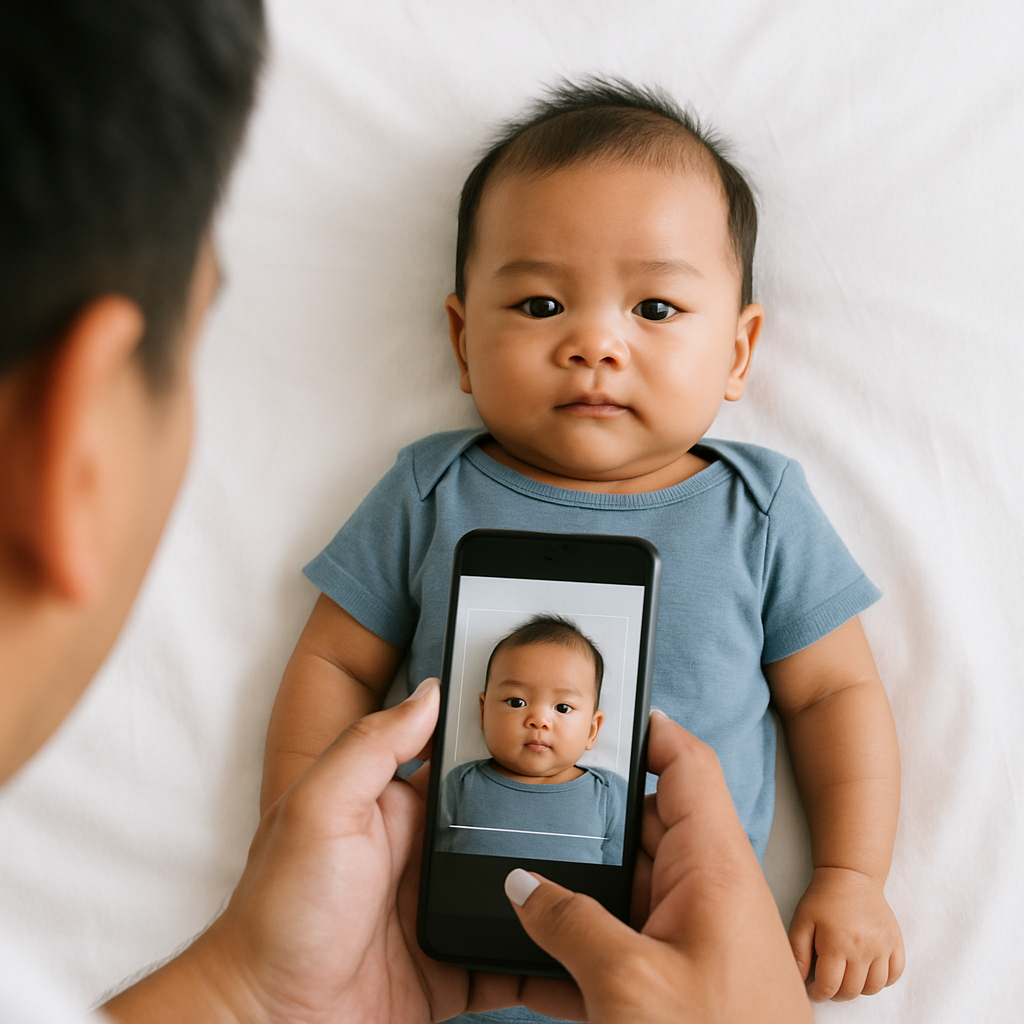
Applying for a passport for an infant in the Philippines sounds simple - until it isn’t. One tiny mistake in the photo and the whole application gets delayed. Parents end up reprinting, rebooking, and redoing something that should’ve been straightforward. If you ask seasoned travel parents, they’ll say this: baby passport photo requirements in the Philippines are strict. Not complicated, just strict. And in 2026, enforcement is tighter than ever. This guide breaks everything down clearly - no fluff, no confusing jargon - so parents can get it right the first time.
Why Baby Passport Photos Get Rejected
Let’s start with the reality. Most rejections happen because of small, preventable details. A shadow on the background. A pacifier in the mouth. Eyes not fully open. A parent’s hand barely visible in the corner. Sounds minor, right? It’s not. The Department of Foreign Affairs (DFA) follows international biometric standards. That means even newborn passport photos must meet global specifications. The image will be scanned, measured, and digitally analyzed. Think of it like airport security - there’s no “close enough.” It’s either compliant or rejected.
Official Baby Passport Photo Requirements Philippines 2026
Here’s what matters most in 2026.
1. Photo Size and Dimensions
The required size for a Philippine passport photo is:
- 35mm x 45mm
- Head size must be between 70% and 80% of the photo
- Printed on high-quality photo paper
No cropping guesses. No resizing randomly. The proportions must be exact.
2. Background Rules
The background must be:
- Plain white
- No patterns
- No shadows
- No visible textures
A wrinkled bedsheet? Risky. An off-white wall? Also risky. Lighting must be even so there are no gray tones creeping in.
3. Baby’s Facial Expression
Here’s where things get tricky. The baby must:
- Have eyes open
- Look directly at the camera
- Maintain a neutral expression
- Keep mouth closed
No smiling. No crying. No half-closed sleepy eyes. For newborns, this can feel like asking for the moon. Still, the rule stands.
4. Head Position and Framing
The baby’s head must:
- Be centered
- Not tilted
- Not turned sideways
- Show full face clearly
Both ears should be visible when possible. The chin and forehead must not be cropped.
5. No Accessories Allowed
This one surprises many parents. Not allowed:
- Headbands
- Hats
- Hair clips covering the face
- Pacifiers
- Toys
- Bib covering the chin
Even adorable floral headbands - yes, those - must come off. Religious head coverings are generally not applicable for infants, but if used, the full face must remain visible.
6. No Visible Support
Parents often hold babies during the photo. That’s fine - but their hands must not appear in the frame. No fingers behind the neck. No shoulder peeking in. No editing them out poorly. The baby should appear alone in the image.
Clothing Guidelines for Baby Passport Photos
Clothing matters more than most expect. Best choices include:
- Simple, solid-colored tops
- Darker colors to contrast white background
- No busy patterns
Avoid white outfits. They blend into the background and make head edges unclear during biometric scanning. A plain navy or soft pastel shirt works well. Keep it simple.
Lighting Tips That Make or Break the Photo
Lighting is everything. It can turn a perfect pose into a rejected print. The photo must have:
- Even lighting across the face
- No harsh shadows under chin
- No glare on skin
- No red-eye
Natural daylight near a window works beautifully - as long as it’s indirect. Flash photography often creates hot spots on the forehead or uneven tones. Consistency is key. The face must look clear, balanced, and true to life.
Can Parents Take Baby Passport Photos at Home?
Short answer? Yes. Longer answer? Yes - but precision matters. Many families now use online passport photo services tailored for infants. Platforms like BabyPassportMaker.com help parents generate compliant baby passport photos that meet Philippine DFA standards in 2026. Instead of guessing crop dimensions or background brightness, parents upload a photo and receive a properly formatted image ready for printing. It saves time. It reduces stress. It avoids multiple reprints. Still, capturing the original image properly is essential.
Step-by-Step: How to Take a Baby Passport Photo at Home
Here’s a practical, no-nonsense method:
- Lay a plain white sheet flat on the floor.
- Place the baby on their back.
- Stand directly above with camera parallel to face.
- Use natural light from a nearby window.
- Take multiple shots - seriously, dozens.
- Choose the clearest image with eyes open.
Patience helps. Babies blink. They wiggle. They turn at the last second. Persistence wins.
Common Mistakes to Avoid in 2026
Trends change, and so do enforcement patterns. Here are frequent mistakes this year:
- Digitally altered backgrounds that look artificial
- Over-smoothing skin with filters
- Incorrect head size ratio
- Low-resolution prints
- Using selfies with perspective distortion
Filters are a major issue. Even subtle beauty filters soften facial details and can trigger rejection during biometric checks. Authenticity matters more than perfection.
Special Considerations for Newborns
Newborn passport photos come with added challenges. The DFA understands infants cannot fully control their posture. However, standards still apply. Helpful adjustments:
- Photograph while baby is calm but awake
- Feed beforehand to prevent crying
- Remove swaddles that cover the jawline
Some parents attempt photos while the baby sleeps. That usually fails because eyes must be open. Timing is everything.
Printing Requirements for Philippine Passport Photos
Even if the digital file is perfect, printing mistakes can ruin everything. Ensure:
- Matte or semi-matte photo paper
- High-resolution printing
- No creases or smudges
- Accurate 35mm x 45mm cut
Cheap kiosk printers sometimes distort color tones. It’s worth choosing a reputable photo lab.
How Strict Is the DFA in 2026?
Very. Biometric scanning technology has improved significantly. Minor deviations that passed years ago may now trigger rejection. Parents shouldn’t panic. They should prepare. Accuracy upfront prevents weeks of delay.
Quick Checklist Before Submitting
Before heading to your DFA appointment, review this:
- Correct size 35mm x 45mm
- White background
- Eyes open
- No shadows
- No accessories
- High-quality print
Simple list. Powerful results.
Final Thoughts on Baby Passport Photo Requirements Philippines 2026
Getting a baby passport photo right isn’t about luck. It’s about details. Tiny details. A millimeter off in cropping. A faint shadow behind the ear. A barely noticeable tilt of the head. These things matter. Parents who understand the baby passport photo requirements in the Philippines for 2026 avoid unnecessary stress. They prepare carefully, use proper lighting, follow size specifications, and rely on reliable tools when needed. Because let’s be honest - applying for a passport with an infant is already an adventure. The photo shouldn’t be the part that slows everything down. Do it right the first time. Save the energy for the actual trip.