Baby Passport Photo Requirements Philippines 2026
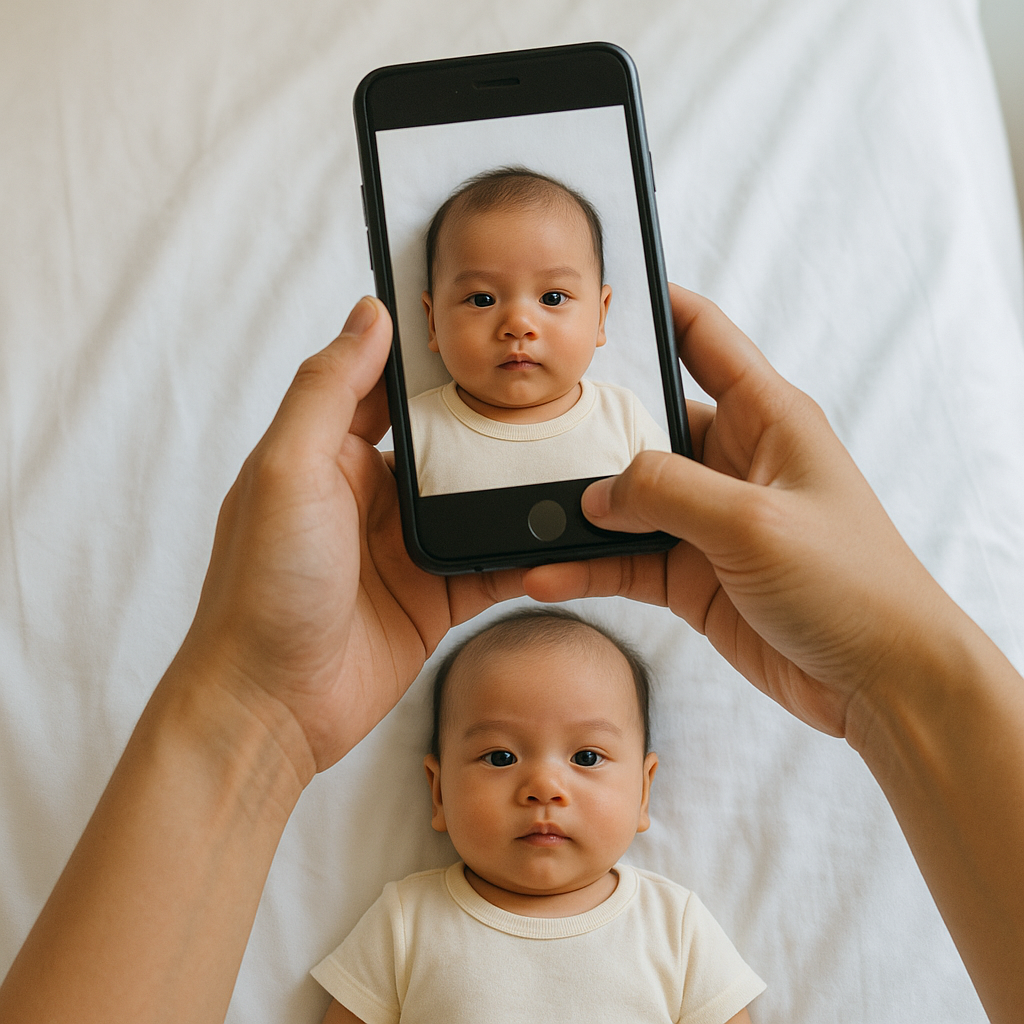
Applying for a passport for a baby in the Philippines sounds simple. Tiny human. Tiny photo. Quick errand. Right? Not quite. If there’s one thing parents learn fast, it’s this - anything involving paperwork and a newborn is never as effortless as it should be. And when it comes to baby passport photo requirements Philippines 2026, the rules are surprisingly strict. This guide breaks everything down clearly, honestly, and without the usual robotic explanations. Because no parent needs more confusion.
Why Baby Passport Photos Are So Strict in 2026
Here’s the reality - passport photos aren’t just for identification anymore. They’re scanned, measured, and analyzed using biometric systems. Even infants. The Philippine Department of Foreign Affairs follows international ICAO standards. That means your baby’s photo must meet global biometric requirements. The image isn’t just a picture. It’s data. Think of it like this: the passport photo is a digital fingerprint for the face. If the lighting is off? Rejected. If shadows appear? Rejected. If a parent’s hand is slightly visible? Rejected. It sounds intense. It is. But once you understand the exact specifications, the process becomes manageable.
Official Baby Passport Photo Requirements Philippines 2026
Let’s get into the specifics.
1. Photo Size and Dimensions
The required size is:
- 35mm x 45mm
- White background
- Head centered and facing the camera
The baby’s head must occupy approximately 70% to 80% of the photo. Too small? Rejected. Too close? Also rejected. Precision matters.
2. Background Rules
The background must be:
- Plain white
- No shadows
- No patterns
- No textures
Cream walls? Not acceptable. Off-white blankets? Risky. Pure white. Clean. Evenly lit.
3. Baby’s Facial Expression
This is where things get interesting. Unlike adult passport photos, babies are allowed to have a neutral expression or a slight natural look. However:
- Eyes must be open
- Mouth should be closed
- No big smiles or crying
- No tongue visible
Sounds simple - until you try photographing a three-month-old. Timing is everything.
4. Eyes and Head Position
The baby must:
- Look directly at the camera
- Have both eyes visible
- Keep head straight
No tilting. No side glancing. No leaning. For newborns who can’t sit upright, this often means laying them flat on a white sheet and shooting from above.
5. No Props, No Hands, No Accessories
This rule trips up many parents.
- No pacifiers
- No toys
- No headbands covering hairline
- No hats
- No visible parent hands
Even a finger supporting the baby’s neck in the frame can cause rejection. If assistance is needed, it must remain completely outside the image area.
Common Reasons Baby Passport Photos Get Rejected
Here’s a hot take - most rejections happen because parents assume baby rules are more relaxed. They’re not. The most common issues include:
- Uneven lighting causing shadows
- Baby looking sideways
- Red-eye from flash
- Wrinkled background fabric
- Low resolution or blurry image
- Incorrect cropping
One tiny mistake can delay the entire passport application. And when travel plans are involved? That delay feels enormous.
Can You Take a Baby Passport Photo at Home?
Yes. But it must meet professional standards. Smartphone cameras today are powerful enough. The challenge isn’t the camera. It’s the setup. Lighting must be soft and even. Natural daylight near a window works beautifully - as long as it doesn’t create shadows under the chin or behind the head. A helpful setup includes:
- A bright room with indirect daylight
- A plain white sheet flattened smoothly
- Baby placed safely on their back
- Camera held directly above
Sounds easy. In theory. In practice, babies blink. Wiggle. Decide it’s nap time. Patience becomes the real requirement.
Using an Online Passport Photo Tool
This is where modern solutions step in. Instead of guessing measurements or cropping manually, many parents now use specialized tools to adjust the image correctly. One reliable option is BabyPassportMaker.com. The service helps:
- Automatically remove background
- Adjust head size to correct proportion
- Ensure proper dimensions
- Optimize lighting digitally
If you ask experienced parents, convenience often outweighs trial-and-error photography sessions. Because retaking photos five times? Exhausting.
What to Wear for a Baby Passport Photo
Clothing rules are simple but important. Choose:
- Light-colored outfits (but not white blending into background)
- Simple tops
- No large prints or graphics
Avoid overly bright neon colors that reflect light onto the face. Here’s an easy rule - dress the baby as if attending a simple family gathering. Clean. Comfortable. Neutral.
Special Considerations for Newborns
Newborns present unique challenges. They cannot hold their heads upright. Their eyes may not stay open long. Sometimes, they naturally cross their eyes for brief moments - totally normal, but not acceptable for passport standards. Helpful tips for newborn passport photos:
- Photograph after feeding
- Keep the room warm and comfortable
- Use continuous shooting mode
- Take multiple shots
Capture first. Select later. That approach saves stress.
How Recent Must the Baby Passport Photo Be?
For 2026, the DFA requires the photo to reflect the baby’s current appearance. While infants change quickly, the image must be recent - ideally taken within the last six months. Growth is rapid during the first year. A two-month difference can noticeably change facial features. So avoid using older images, even if they technically fit the size requirement.
Step-by-Step Checklist Before Submission
Before submitting the passport application, review this quick checklist:
- Correct size - 35mm x 45mm
- White, shadow-free background
- Eyes open and visible
- Neutral expression
- No accessories
- High resolution
- Proper head proportion
If every box is checked, approval chances increase dramatically.
Digital vs. Studio Photos - Which Is Better?
This depends on comfort level. Professional studios offer controlled lighting and guaranteed compliance. That’s reassuring. However, babies often feel uneasy in unfamiliar environments. At home, they’re calmer. More relaxed. Online editing services bridge the gap - home convenience with professional formatting. Honestly, many modern parents prefer the hybrid approach: take the photo at home, then use a tool to finalize it according to Philippine passport standards. Efficient. Practical. Smart.
Final Thoughts on Baby Passport Photo Requirements Philippines 2026
Getting a passport photo for a baby isn’t complicated - but it demands precision. The requirements in the Philippines for 2026 follow strict biometric guidelines. White background. Correct size. Clear facial features. No distractions. Miss one detail, and delays happen. Follow the rules carefully, prepare the setup properly, and consider using reliable digital tools if needed. When everything aligns, the approval process becomes smooth. And once that passport arrives? It’s more than a document. It’s the beginning of adventures. Small photo. Big future.