Baby Passport Photo Rules for Fidgety Kids
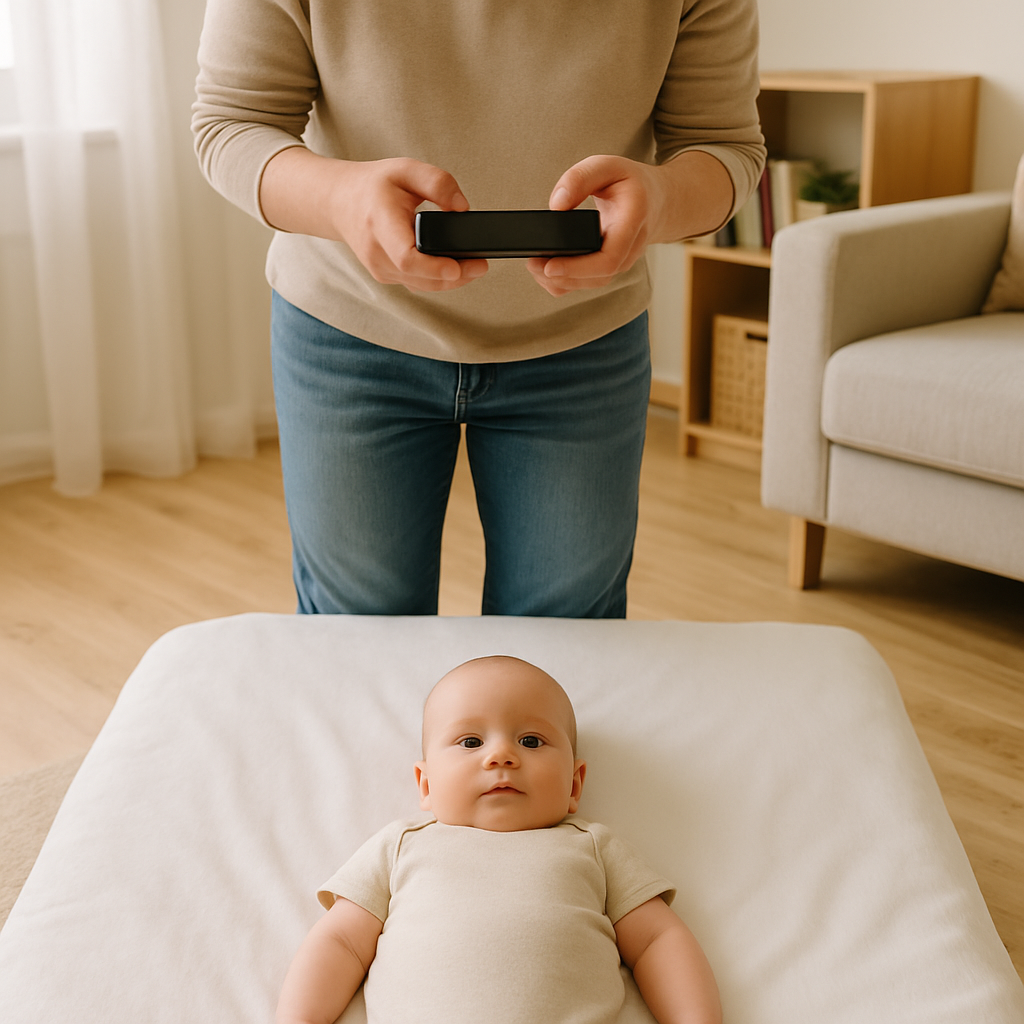
Getting a passport photo for a baby sounds easy. Lay them down, snap a picture, done. Right?
Not even close.
Anyone who has tried photographing a wiggly infant knows the reality. Tiny arms flail. Heads tilt. Eyes squeeze shut at exactly the wrong moment. And somehow, just as everything looks perfect, a mysterious blur appears. Babies have a sixth sense for timing.
Still, the rules for a baby passport photo are strict. Governments do not make exceptions because someone is teething.
This guide walks through the official baby passport photo rules, explains how to handle a fidgety child, and shares practical tips that actually work - especially when patience runs thin.
Why Baby Passport Photo Rules Matter
A rejected image means delays. Delays mean postponed trips, rescheduled flights, and unnecessary stress. No parent needs that.
Passport agencies use biometric systems. The photo must clearly show facial features so identity can be verified. Even for newborns. Yes, even when they can barely hold their heads up.
Here is what officials generally require:
- Neutral expression
- Eyes open and visible
- No shadows on the face
- Plain white or off-white background
- No other person visible in the frame
- No hats, headbands, or pacifiers
Sounds simple on paper. In real life? It can feel like trying to photograph a squirrel after espresso.
Official Baby Passport Photo Requirements
Let’s break this down clearly so there’s no guesswork.
1. Head Position and Size
The baby’s head must face directly forward. Not tilted. Not slightly angled. Straight.
The head should take up a specific portion of the frame - usually between 1 inch and 1 3/8 inches from chin to crown in a standard 2x2 inch photo. Too small? Rejected. Too large? Also rejected.
This precision is why many parents turn to services like BabyPassportMaker.com, which adjust sizing automatically and flag issues before submission.
2. Eyes Open
For infants, this is flexible to a degree. Newborns may be photographed with eyes slightly closed. But generally, officials prefer eyes open and visible.
No red-eye. No heavy shadows.
If you ask experienced parents, timing is everything. Attempt photos after a nap, not before one.
3. Facial Expression
Neutral expression. That means:
- No big grins
- No crying face
- No exaggerated surprise
A relaxed, natural look works best. Think calm and alert.
4. Background Rules
The background must be plain white or off-white. No patterns. No textures. No visible furniture.
Parents often lay babies on a white sheet. That works - if the fabric is smooth and wrinkle-free. Wrinkles can create shadows that cause rejection.
5. No Supporting Hands Visible
This is crucial. If someone is holding the child, their hands cannot appear in the photo.
That means:
- No fingers supporting the head
- No arms wrapped around shoulders
- No partial hand at the edge of the frame
If support is needed, place the baby on a flat white surface instead.
How to Photograph a Fidgety Baby Without Losing Your Mind
Here’s the hot take - perfection is overrated, but compliance is not.
The trick is creating the right setup before the camera even comes out.
Set the Stage First
Preparation changes everything.
- Choose a well-lit room with natural daylight.
- Lay down a smooth white blanket on the floor.
- Remove distracting toys from view.
- Dress the baby in darker clothing for contrast.
Lighting should come from behind the camera, not overhead. Overhead light casts shadows under the eyes. And shadows are the enemy.
Use Timing Strategically
Trying to capture a compliant expression during peak crankiness? Brave. But unwise.
The sweet spot is after feeding and a short rest. Babies are calmer, more alert, and less likely to protest.
Five minutes can make all the difference.
Make It a Game
For older infants, attention is everything. Stand behind the camera and make gentle sounds. Wave a quiet toy. Do something unexpected but subtle.
The goal is eye contact without laughter explosions.
It’s a balancing act - like trying to keep a bubble from popping.
Common Mistakes That Get Baby Passport Photos Rejected
Some issues appear harmless but cause immediate rejection.
- Visible pacifiers - Even partially removed ones
- Shadows behind the head
- Blurry images
- Filters or editing effects
- Incorrect cropping
- Hair covering eyes
One tiny shadow can derail an application. It feels excessive, but these systems are automated and strict.
DIY vs Professional Baby Passport Photo Services
Parents often debate whether to do it themselves or use a professional tool.
DIY can work. A smartphone with a good camera is usually enough.
But cropping, sizing, and checking compliance manually can be tricky. That’s where specialized platforms come in. Services like BabyPassportMaker.com analyze images against official standards and ensure proper dimensions. It removes the guesswork.
Think of it like using a recipe versus baking from memory. Sure, improvisation is possible - but precision improves success.
Tips for Newborn Passport Photos
Newborn photography brings unique challenges. They cannot hold their heads up. They sleep frequently. Their expressions change in seconds.
Here are practical newborn-specific tips:
- Photograph while lying flat on a firm white mattress
- Stand directly above for a straight-on angle
- Ensure no shadows from the photographer’s body
- Remove hats, even cute ones
Patience helps. So does flexibility.
What About Glasses or Accessories?
Simple answer - remove them.
Babies rarely wear glasses, but if they do for medical reasons, check with authorities first. Generally, no eyewear is allowed in passport photos.
Headbands, bows, decorative clips? Adorable. Not permitted.
Clothing Guidelines for Baby Passport Photos
Clothing matters more than most realize.
Here’s what works best:
- Solid dark colors
- No uniforms
- No camouflage patterns
- No white tops against white background
A navy or dark gray shirt usually photographs well. It creates contrast and keeps focus on the face.
Staying Calm During the Process
Babies sense stress. If adults feel rushed, the child reacts.
Take breaks. Reset the room. Try again in ten minutes.
Some parents need twenty attempts. Others succeed in three. There is no universal formula.
And honestly? That’s normal.
Quick Checklist Before Submitting
Before uploading or printing, double-check:
- Is the image sharp and clear?
- Are both eyes visible?
- Is the background plain and light?
- Is the head centered and properly sized?
- Are there zero visible hands?
If every answer is yes, chances are high the photo will be accepted.
Final Thoughts on Baby Passport Photo Rules
Photographing a fidgety baby for official documents feels like trying to catch lightning in a bottle. It requires timing, preparation, and a little creativity.
The rules are firm, but they are manageable.
With the right setup, good lighting, and a calm approach, parents can capture a compliant image without turning the living room into a stress zone. And when uncertainty creeps in, professional tools exist to simplify the process.
At the end of the day, the goal is simple - a clear, regulation-ready photo that opens the door to new adventures.
Because those tiny passports? They hold big journeys.