How to Use a High Chair for Stable Passport Photos
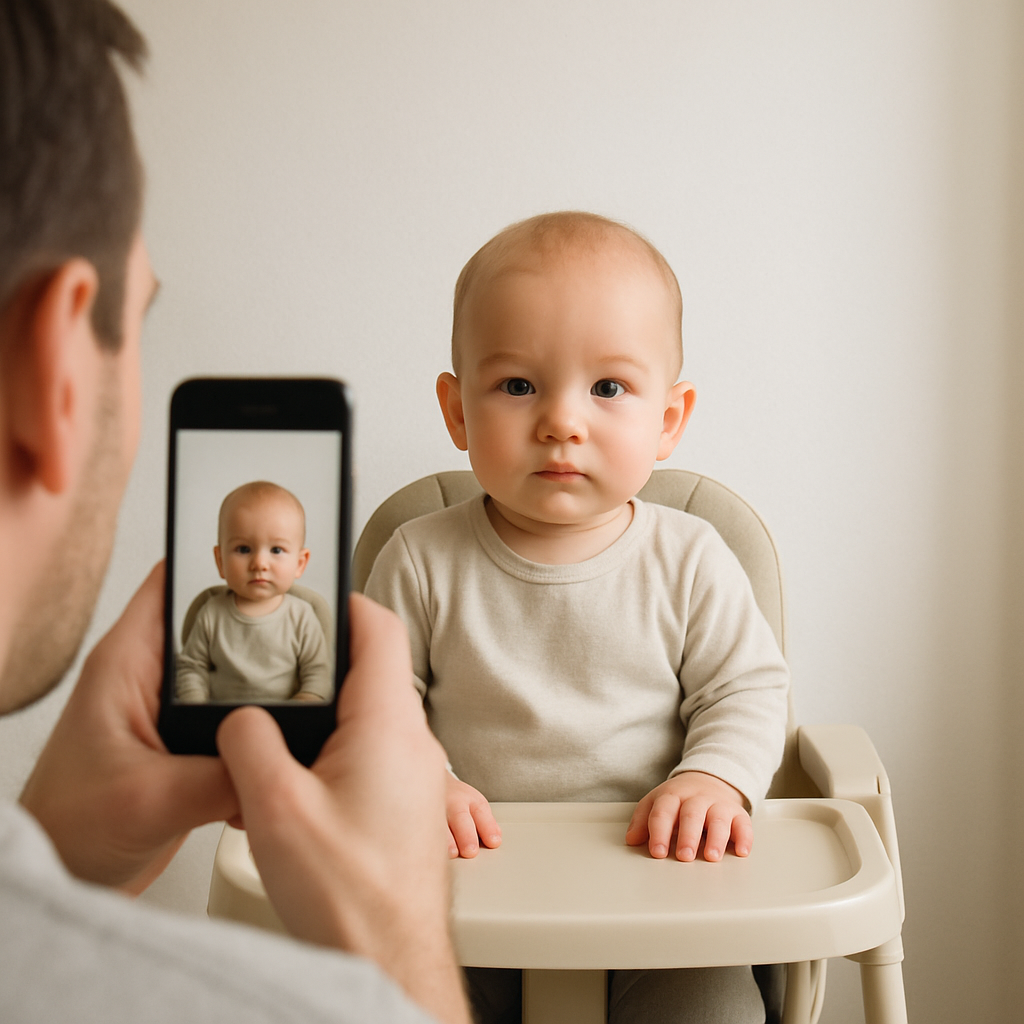
Getting a passport photo for a baby can feel like trying to photograph a tiny tornado. One second they’re calm. The next? Leaning sideways, blinking, or sliding down like a sleepy noodle. Parents quickly learn that stability is everything. And surprisingly, one of the most practical tools for this job is already sitting in the kitchen - a high chair. Yes, that everyday feeding throne can double as a passport photo station. If you ask most photographers who handle infant passport photos, they’ll admit it: a sturdy high chair is often the secret weapon. Let’s break down exactly how to use a high chair for stable passport photos - and why it works so well.
Why a High Chair Works So Well for Baby Passport Photos
Think about what makes a passport photo acceptable. The baby needs to sit upright. The background must be plain. No shadows. No visible hands. Eyes open. Neutral expression. Sounds simple, right? Now imagine achieving that while holding a wiggly infant. A high chair solves several problems at once:
- Provides built-in back support
- Keeps the baby at an ideal height
- Limits side-to-side wobbling
- Offers a predictable, controlled setup
Instead of relying on someone to hold the child - which often leads to visible fingers or awkward cropping - the high chair allows independence. And independence means compliance with passport photo guidelines.
Step-by-Step: Setting Up a High Chair for Passport Photos
This isn’t complicated. But details matter. Small adjustments can make the difference between acceptance and rejection.
1. Choose the Right High Chair
Not all high chairs are equal. Look for one with:
- A straight, firm back
- Minimal patterns or distracting colors
- Removable tray
- Stable, non-wobbly legs
Busy designs can reflect color onto the baby’s face. Bright reds or blues? Risky. Neutral tones work best. If the tray is detachable, remove it. That creates space and prevents odd shadows under the chin.
2. Create a Proper Background
Passport photos require a plain white or off-white background. No textures. No patterns. No kitchen cabinets peeking through. Here’s a simple trick: drape a white sheet or large poster board behind the chair. Tape it to a wall or let it hang smoothly. Make sure the fabric is wrinkle-free. Wrinkles cast tiny shadows that cameras love to exaggerate. The baby should sit a few inches in front of the backdrop - not pressed against it. That spacing reduces shadow buildup.
3. Adjust Lighting - Keep It Soft and Even
Lighting can make or break the photo. Natural light from a window works beautifully. Position the high chair facing the window, but not in direct sunlight. Direct sun creates harsh contrast and deep shadows under the nose and chin. If using indoor lighting, aim for even illumination from both sides. Avoid overhead-only light - it causes shadows that may lead to rejection. Think of light like frosting on a cake. It should coat evenly, not clump in patches.
4. Position the Baby Correctly
This is the heart of it. The baby should:
- Sit upright with head centered
- Face directly toward the camera
- Keep eyes open and visible
- Maintain a neutral expression
Sounds ambitious for an infant, yes. One adult can stand behind the camera and make gentle sounds to capture attention. Another can stand nearby for safety - but out of frame. Avoid visible hands, straps, or supports in the final image. If straps are necessary for safety, ensure they’re hidden or easily edited within official guidelines.
Common Mistakes When Using a High Chair
Even a good setup can go sideways fast. Here are the most frequent slip-ups:
- Too much shadow behind the head - Move the chair slightly forward.
- Baby slouching - Use a firm cushion behind the back, hidden under white fabric.
- Visible high chair edges - Crop carefully while keeping required head proportions.
- Over-smiling - A slight neutral look is better than a big grin.
Honestly, many rejections happen because parents focus on cuteness instead of compliance. Adorable doesn’t always equal acceptable.
How to Keep the Baby Calm During the Shoot
Timing matters more than technique. Schedule the photo session:
- After a nap
- After feeding
- Before they get overstimulated
A tired or hungry infant is unpredictable. A rested one? Cooperative - at least for a few minutes. Keep the room quiet. No television. No loud distractions. Soft engagement works best. And here’s a hot take: don’t rush it. Taking 30 quick shots in two minutes is smarter than obsessing over one perfect frame.
Using Online Tools to Perfect the Photo
Once the image is captured, the real work begins. Cropping to correct passport dimensions is critical. Head size must fall within specific measurements. Background must be properly lightened. Shadows may need slight correction. This is where professional tools help. Many parents turn to BabyPassportMaker.com because it simplifies sizing, background adjustment, and compliance checks. Instead of guessing whether the proportions are correct, the platform aligns the photo according to official standards. That peace of mind? Worth it. Especially considering how frustrating a rejected application can be.
Why Stability Matters More Than Camera Quality
People obsess over megapixels. Truth is, stability beats fancy equipment every time. A steady baby in soft light using a decent smartphone often produces better results than a high-end camera used in chaos. The high chair acts like a tripod for the child. It anchors posture. It limits sudden movement. It creates predictability. Without stability, every other element becomes harder.
Quick Checklist Before You Submit
Before uploading or printing, confirm:
- The baby’s head is centered
- Both eyes are open
- No shadows obscure facial features
- The background is plain white
- No visible hands or objects appear
- Image resolution meets official requirements
Double-checking takes two minutes. Fixing a rejected passport can take weeks.
Is a High Chair Always the Best Option?
For babies who can sit unassisted - absolutely. For newborns who can’t hold their head up yet, laying them on a flat white sheet may be safer. In those cases, the camera should shoot directly from above, ensuring no shadows or visible arms appear. But for that in-between stage? When they’re wiggly but upright? The high chair is a lifesaver. It transforms a chaotic task into something manageable.
Final Thoughts on High Chairs and Passport Success
Taking a baby passport photo doesn’t require a studio. It doesn’t require expensive lighting kits. And it certainly doesn’t require stress. It requires control. Planning. A little patience. The high chair provides structure - like scaffolding around a building under construction. It supports the subject while the rest of the elements fall into place. Parents who prepare the space, manage lighting, and use simple editing tools dramatically increase their approval odds. And when the passport arrives without delays? That moment feels surprisingly triumphant. Because behind that tiny, serious face in the photo was a carefully orchestrated setup involving a humble piece of kitchen furniture. Who knew a high chair could play such an important role in international travel preparation? Sometimes the simplest tools are the smartest solutions.