Baby Visa Photo for European Residence Permits
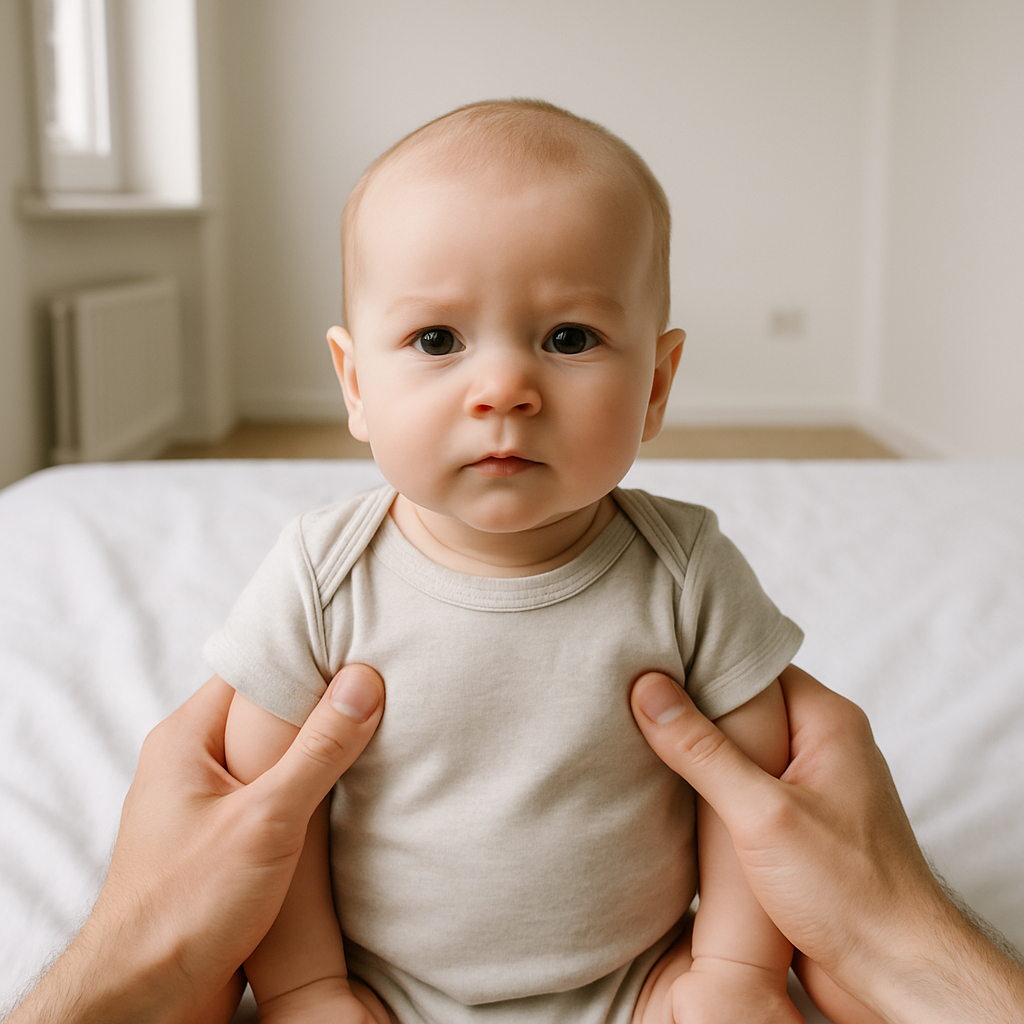
There is something surprisingly intense about taking a baby visa photo for European residence permits. It sounds simple. A picture. Of a baby. How hard could it be?
Anyone who has tried knows the truth.
Babies don’t follow instructions. They don’t sit still. They blink at exactly the wrong moment. And yet European authorities expect precision - strict dimensions, neutral expressions, proper lighting, exact head positioning. It’s like asking a tiny human tornado to pose for a government ID.
If you ask seasoned parents, they’ll tell you: this small task can quickly become the most stressful part of the paperwork process.
Why Baby Visa Photos for European Residence Permits Matter
European immigration offices are meticulous. The baby visa photo for European residence permits isn’t just a formality - it’s biometric data. That means facial proportions, eye visibility, head alignment, and background color all matter.
And yes, even for newborns.
Authorities use these images for identification systems. A rejected photo can delay processing. Sometimes by weeks. Sometimes longer. When families are already juggling relocation logistics, housing contracts, school enrollment, and language barriers, delays feel like sand in the gears.
That’s why getting it right the first time is critical.
Common European Residence Permit Photo Requirements for Babies
While specific countries may vary slightly, most European residence permit photo rules follow strict biometric standards. Typically, they require:
- 35mm x 45mm dimensions
- Plain white or light background
- Neutral facial expression
- Eyes open and visible
- No shadows on the face or background
- No pacifiers, toys, or visible hands holding the baby
- Head centered and facing forward
Sounds manageable, right?
Now imagine applying those standards to a three-month-old who thinks blinking is a competitive sport.
The Biggest Challenges Parents Face
The difficulty isn’t understanding the rules. It’s execution.
Babies can’t hold their heads steady. They can’t focus on command. They certainly won’t maintain a “neutral expression” on cue. And let’s not forget lighting - natural light shifts constantly, indoor light creates shadows, and camera flashes can distort skin tone.
Here’s what typically goes wrong:
- Baby tilts head to one side
- Eyes closed mid-shot
- Background isn’t pure white
- Parent’s hands visible in frame
- Shadows under chin
- Incorrect cropping
One small error can mean rejection. That’s the frustrating part.
Can You Take a Baby Visa Photo at Home?
Technically? Yes.
Realistically? It depends.
Taking a baby visa photo at home for a European residence permit requires patience and attention to detail. It’s a bit like baking a delicate pastry - one wrong measurement and the whole thing collapses.
Tips for Taking a Compliant Baby Residence Permit Photo
- Lay the baby flat on a white sheet for stability
- Use natural daylight near a window
- Avoid overhead lighting that creates shadows
- Remove hats, headbands, or decorative clips
- Ensure both eyes are open
- Take multiple shots - dozens, if necessary
Even with these steps, editing becomes essential. Cropping must meet exact biometric proportions. Head size relative to frame must fall within specific ratios. Most smartphone apps simply aren’t precise enough.
And that’s where many applications fail.
Why Professional Tools Make a Difference
Here’s a hot take - this is one of those situations where cutting corners costs more time than it saves.
Professional baby passport and visa photo services understand the nuances of European residence permit guidelines. They adjust background brightness, correct shadows, ensure head alignment, and crop to official dimensions.
One reliable option is BabyPassportMaker.com. The service specializes in compliant infant passport and visa photos, including those required for European residence permits. Instead of guessing whether the image will pass inspection, parents receive a properly formatted digital file ready for submission.
That peace of mind? Worth it.
Understanding Country-Specific Differences
Although many European nations follow similar biometric rules, subtle variations exist. Germany may emphasize head positioning. France may scrutinize lighting. Italy might be strict about contrast levels.
These aren’t dramatic differences - but they matter.
For example:
- Some countries allow slight mouth opening for infants
- Others require fully closed lips
- Background tone tolerance can vary slightly
- Matte vs. glossy print finishes may differ
It’s like tuning a musical instrument. Slight adjustments determine whether the final note sounds harmonious or completely off.
What Happens If the Baby Visa Photo Gets Rejected?
Rejection doesn’t mean denial of residency. It means delay.
But delays can ripple outward.
Appointments may need rescheduling. Processing timelines extend. Travel plans shift. In some cases, temporary visas expire while families wait for corrected documentation.
And here’s the tricky part - embassies rarely provide detailed explanations. They might simply state that the baby visa photo does not meet requirements.
No specifics. No helpful arrows pointing to the issue.
So parents start over.
Printing vs. Digital Submission
Many European residence permit applications now allow digital submission. Others still require printed biometric photos.
Printing adds another layer of complexity:
- Correct photo paper type
- Precise cutting to 35mm x 45mm
- No damage or bending
- True color calibration
A photo that looks perfect on screen can print darker. Or slightly off-white. That difference alone can cause rejection.
Digital files reduce some risk - but only if formatted correctly.
Timing Matters More Than You Think
Babies grow fast. Shockingly fast.
European authorities typically require recent photos - often taken within the last six months. For infants, even three months can show noticeable changes in facial features.
Submitting an outdated image might raise concerns during biometric verification.
It’s not about bureaucracy being difficult. It’s about identity consistency.
Preparing for the Photo Session
Preparation can make or break the process.
Before taking the baby visa photo for a European residence permit, consider:
- Scheduling the session after feeding
- Ensuring the baby is well-rested
- Dressing in simple, light-colored clothing without patterns
- Having a clean white sheet or backdrop ready
- Keeping the room warm and comfortable
Small details reduce fussiness. Calm babies cooperate longer. Even a few extra seconds of stillness can produce a compliant shot.
The Emotional Side No One Talks About
Relocating to Europe is exciting. It’s also overwhelming.
Paperwork stacks up. Deadlines loom. Every document feels high stakes. In that environment, something as tiny as a baby visa photo can feel disproportionately stressful.
Why?
Because it represents progress. Approval means stability. Stability means a new chapter begins.
So when the photo doesn’t meet standards, it feels bigger than it should.
Understanding that emotional layer helps families approach the process with patience instead of frustration.
Final Thoughts on Getting It Right
A baby visa photo for European residence permits isn’t glamorous. It won’t be framed on a wall. It won’t win awards.
But it matters.
Getting it right the first time saves time, reduces stress, and keeps the residence permit process moving smoothly. Whether parents choose to attempt it at home or use a specialized service like BabyPassportMaker.com, the key is precision.
Measure carefully. Check lighting twice. Review cropping. Follow official guidelines exactly.
Because when it comes to European immigration paperwork, close enough usually isn’t enough.
And honestly? A smooth approval process is worth far more than the few minutes it takes to ensure that tiny, serious-faced photo meets every requirement.