Best DIY Baby Passport Photo Methods for 2026
Getting a passport photo for a baby sounds simple. It isn’t.
Anyone who has tried photographing a squirming six-month-old knows the truth - it’s like trying to take a sharp picture of a giggling octopus. Limbs everywhere. Sudden wiggles. Random expressions that range from angelic to deeply suspicious in half a second.
Still, here’s the good news: in 2026, creating a compliant DIY baby passport photo at home is easier than ever. With the right setup, a little patience, and a clear understanding of passport photo requirements, parents can skip the studio, save money, and avoid dragging a tired infant into harsh fluorescent lighting.
Let’s break it down.
Why DIY Baby Passport Photos Are More Popular Than Ever
Passport offices haven’t exactly relaxed their standards. If anything, photo rules are stricter. White background. Proper head size. Neutral expression. No shadows. No props. No parent hands visible.
Sounds straightforward, right?
Now imagine explaining “neutral expression” to a seven-month-old.
Here’s the thing. Professional studios charge anywhere from $15 to $40 for baby passport photos. And if the photo gets rejected? That’s another trip. More time. More frustration.
DIY methods put control back in parents’ hands. Plus, online tools like BabyPassportMaker.com make formatting and background correction almost ridiculously simple. Upload. Adjust. Download. Done.
Honestly, it’s the convenience that seals the deal for most families.
Official Baby Passport Photo Requirements for 2026
Before diving into methods, let’s get the rules straight. Because creativity is great - until it gets rejected by the passport office.
U.S. Baby Passport Photo Guidelines
- Photo size: 2 x 2 inches
- White or off-white background
- Baby facing camera directly
- Eyes open (if possible)
- No shadows on face or background
- No visible hands or supports
- No hats, headbands, or pacifiers
Notice that phrase: “if possible.” For newborns, closed eyes are sometimes accepted. But don’t rely on that. Aim for open eyes whenever you can.
Best DIY Baby Passport Photo Methods for 2026
Now we get to the practical part. The real-world strategies that actually work.
1. The White Sheet Floor Method
This one is a classic - and for good reason.
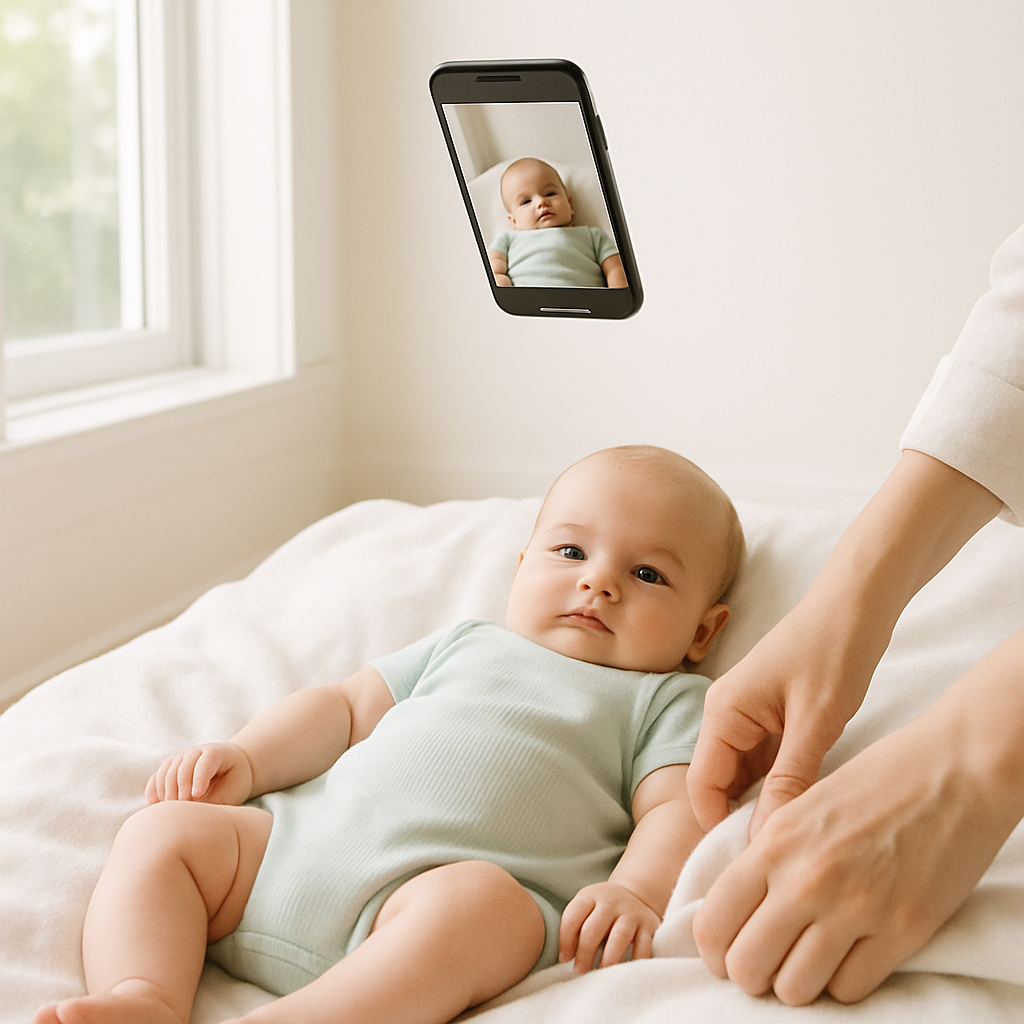
Lay a plain white sheet or blanket flat on the floor. Smooth out wrinkles. Place the baby on their back. Stand directly above and take the photo.
Simple. Effective.
Why it works:
- Even lighting from above
- Natural head alignment
- No visible support needed
Pro tip: Shoot near a large window during the day. Natural light is softer and more forgiving than overhead bulbs. Just avoid direct sunlight - harsh shadows are the enemy.
2. The Car Seat Trick
If the baby refuses to lie flat, try the car seat method.
Drape a white blanket over the car seat. Tuck it tightly so there are no folds behind the head. Sit the baby in as usual.
This method keeps them upright and contained. Which, let’s be honest, is half the battle.
Make sure the blanket completely hides straps and dark padding. The background must look plain and uninterrupted.
3. The Tummy-Time Technique
For babies who can lift their heads, tummy time can be surprisingly effective.
Place a white blanket on the floor. Position the baby on their tummy and capture the photo while they look up.
The key here is timing. Snap the photo when they’re alert but calm - not hungry, not sleepy, not mid-meltdown.
Timing is everything.
4. Using Online Passport Photo Tools
Let’s talk tech.
Even if the lighting isn’t perfect, modern passport photo tools can fix minor issues. Platforms like BabyPassportMaker.com help:
- Remove background shadows
- Adjust head size to meet official measurements
- Crop to exact passport dimensions
- Ensure compliance before printing
It’s like having a digital photo assistant who knows the rules better than most adults do.
And that’s a huge relief.
Lighting Tips That Make or Break the Photo
Lighting can transform a great shot into a rejection notice. Or save a mediocre one.
Here’s what works best:
Natural Light Wins
- Position baby facing a window
- Turn off overhead lights
- Shoot mid-morning or early afternoon
Think soft, diffused glow - not spotlight interrogation room.
Avoid These Common Mistakes
- Strong shadows behind the head
- Yellow indoor lighting
- Flash too close to the face
- Mixed lighting sources
Consistency matters. Cameras pick up subtle color shifts the human eye ignores.
How to Get a Neutral Expression from a Baby
Here’s the million-dollar question.
Babies don’t do “neutral.” They do delighted. Confused. Outraged. Sleepy.
But there are tricks.
- Make gentle sounds to grab attention
- Use a quiet toy held near the lens
- Take rapid burst photos
- Photograph right after a nap
The goal isn’t a passport-mugshot stare. Just calm. Mouth closed. Eyes open.
Patience helps. A lot.
Clothing Tips for Baby Passport Photos
Clothing seems minor. It’s not.
A white onesie against a white background can blur the outline of the shoulders. That’s risky.
Instead, choose:
- Soft pastel colors
- Light blue, pink, or beige
- Simple outfits without patterns
Avoid bright reds or deep blacks. They can distort color balance in photos.
And yes - remove headbands. Even cute ones. Especially cute ones.
Step-by-Step DIY Baby Passport Photo Process
For those who like a checklist, here’s a clear roadmap.
- Prepare a white background (sheet or blanket).
- Set up near natural light.
- Dress baby in simple clothing.
- Position camera directly above or at eye level.
- Take multiple shots - at least 20.
- Select the clearest image with open eyes.
- Upload to BabyPassportMaker.com for formatting.
- Print on high-quality photo paper.
That’s it.
Not complicated. Just deliberate.
Common Reasons Baby Passport Photos Get Rejected
Even careful parents run into issues.
The most common rejection reasons in 2026?
- Incorrect head size ratio
- Shadows on background
- Visible parent hands
- Baby looking away from camera
- Low-resolution images
Many of these problems aren’t obvious until you compare the image against official guidelines. That’s why digital compliance tools are becoming the norm rather than the exception.
Is DIY Really Better Than a Studio?
Here’s a hot take: for babies, yes - most of the time.
Studios can feel rushed. Babies sense stress. Parents feel pressure. It’s a recipe for tears.
At home, there’s flexibility. Breaks. Snacks. Do-overs. The atmosphere is calmer, and calm babies photograph better. Period.
Of course, if attempts keep failing, a professional photographer might be worth it. But many families succeed on the first or second try using simple at-home methods.
Final Thoughts on DIY Baby Passport Photos in 2026
Creating a baby passport photo at home isn’t about cutting corners. It’s about control, comfort, and convenience.
With good lighting, a clean white background, and the help of formatting tools like BabyPassportMaker.com, parents can produce compliant, high-quality passport photos without leaving the house.
It takes a little patience. Maybe a few extra snapshots.
But when that approved passport arrives in the mail - ready for first adventures, family trips, new stamps - it feels worth it.
And honestly? There’s something satisfying about knowing it was done right at home.