Global Baby Passport Photo Standards Guide
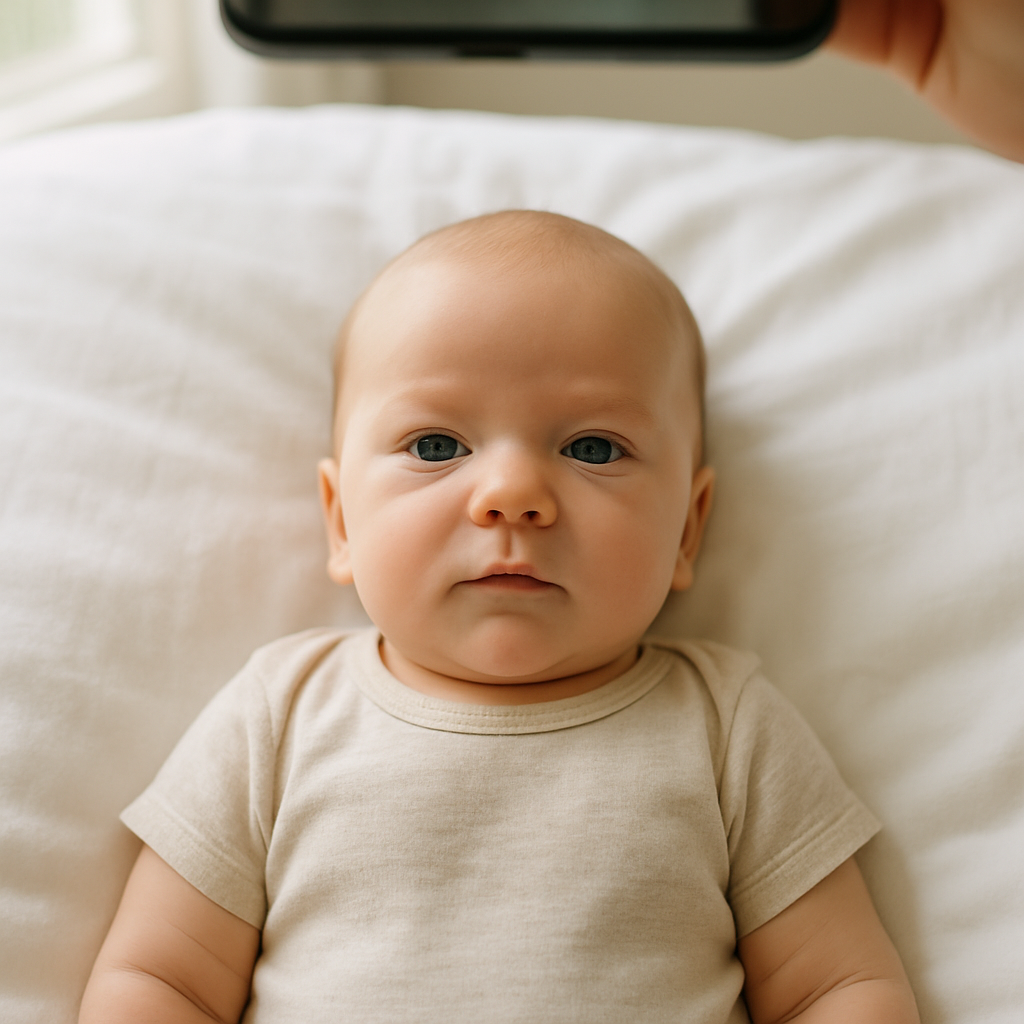
Applying for a baby passport sounds simple. Take a cute photo, submit the paperwork, wait for approval. Done. Right?
Not exactly.
Passport photo requirements for infants are surprisingly strict - and wildly specific. Different countries enforce different baby passport photo standards, and one tiny mistake can delay travel plans by weeks. No parent wants to explain to a grandparent why that long-awaited visit just got postponed because of a blurry picture.
This guide breaks it all down. Clear. Practical. Human.
Why Baby Passport Photo Rules Are So Strict
Governments treat passport photos like biometric fingerprints. They are not cute snapshots for the fridge. They are identification tools used by border control systems, facial recognition software, and immigration officers across the globe.
For adults, that is straightforward. For babies? It is like trying to take a professional headshot of someone who cannot sit up, follow instructions, or keep their eyes open on command.
And yet, standards remain firm.
If you ask seasoned travel consultants, they will say the same thing: most rejections happen because parents underestimate the details.
Core Global Baby Passport Photo Requirements
While each country sets its own rules, most baby passport photo standards share similar foundations.
1. Background Must Be Plain and Light
- Solid white or off-white background
- No patterns, textures, or shadows
- No visible objects behind the baby
Sounds easy. But think about it. Blankets wrinkle. Walls cast shadows. Lighting changes everything. Even a faint gray tone can trigger rejection in some jurisdictions.
2. Baby’s Eyes - Open (Usually)
Most countries require the baby’s eyes to be open and visible. Some allow newborn exceptions, but only for infants under a certain age.
No glare. No red-eye. No hair covering the face.
It sounds clinical. It is. Passport systems measure eye placement and facial symmetry with precision.
3. Neutral Expression
No smiling. No crying. No wide-mouthed laughter.
That peaceful milk-drunk grin? Adorable. Also unacceptable.
4. Correct Head Position
- Head centered
- Facing directly forward
- No tilting or turning
- Full face visible
Think of it like a passport mugshot - just softer.
5. No Visible Hands or Parents
This one surprises people.
Parents often hold babies upright for support. If even a fingertip appears in the frame, the image can be rejected. No hands. No arms. No shadows of the person taking the photo.
It is like the baby must appear independently floating in a white universe.
Country-Specific Baby Passport Photo Standards
Here is where things get interesting.
Although requirements overlap, measurements and proportions vary.
United States
- Size: 2 x 2 inches
- Head size: 1 to 1 3/8 inches from chin to top of head
- White background only
- Eyes open required (with newborn flexibility)
The U.S. is strict about size ratios. The spacing around the head matters more than most expect.
United Kingdom
- Size: 45mm x 35mm
- Light cream or light gray background allowed
- No shadows behind head
- Babies under one may have eyes partially closed
The UK tends to allow slightly more leniency for infants, but image clarity still matters.
Canada
- Size: 50mm x 70mm
- Neutral facial expression required
- Professional-quality print only
Canada emphasizes print quality. Grainy prints often cause delays.
Australia
- Size: 35mm x 45mm
- Plain white or light gray background
- No pacifiers or toys visible
Yes, even a tiny corner of a pacifier can disqualify the image.
Common Mistakes Parents Make
Even well-prepared parents slip up. It happens.
- Using car seat photos - The headrest curves distort the background.
- Editing shadows incorrectly - Over-editing can make the image look manipulated.
- Incorrect cropping - The head ratio ends up too small or too large.
- Poor lighting - Yellow indoor lighting changes skin tone.
- Submitting low-resolution files - Especially for online passport applications.
Each mistake feels minor. Combined? They can halt an application cold.
How to Take a Baby Passport Photo at Home
Can parents do it themselves? Absolutely.
But it requires patience.
Step-by-Step Approach
- Lay the baby on a flat white sheet with no wrinkles.
- Position lighting evenly from both sides.
- Stand directly above the baby.
- Take multiple shots - more than you think you need.
- Choose the clearest image with eyes open and mouth closed.
Natural daylight near a window works best. Avoid overhead lighting that casts shadows under the chin.
And here is the thing - cropping and sizing matter just as much as the photo itself. That is where many applications go wrong.
Why Online Tools Matter
This is where services like BabyPassportMaker.com come in.
Instead of guessing about head size ratios or background compliance, parents upload a photo and let automated systems adjust dimensions to match country-specific baby passport photo standards.
It is like having a passport officer quietly checking your work before you submit it.
Parents appreciate tools that:
- Resize images to exact national specifications
- Remove minor background imperfections
- Ensure correct biometric spacing
- Provide digital and printable formats
When travel dates approach, confidence matters.
Lighting Tips That Actually Work
Lighting makes or breaks a baby passport photo.
Soft, indirect daylight is ideal. Harsh flash? Avoid it. It flattens features and creates shine on the forehead.
Imagine lighting like painting with sunlight. Too much - it washes out detail. Too little - shadows creep in like unwanted guests.
Even professionals struggle with infant lighting. So parents should not feel discouraged if the first attempt fails.
What About Newborns?
Newborn passport photos feel almost impossible.
Eyes closed. Tiny movements. Unpredictable expressions.
Many countries allow slightly relaxed eye rules for very young infants. Still, the face must be fully visible. No swaddling that hides the jawline. No blankets creeping into the frame.
The safest approach? Take the photo when the baby is calm but alert - often shortly after feeding.
Digital vs Printed Baby Passport Photos
Applications increasingly accept digital uploads. But printed photos remain common for in-person submissions.
Digital files must meet:
- Specific pixel dimensions
- File size limits
- Accepted formats like JPEG
Printed versions require:
- Matte or glossy photo paper
- No creases or marks
- Accurate physical measurements
One millimeter off can mean starting over.
Quick Checklist Before Submission
Before sending that application, run through this:
- Is the background plain and shadow-free?
- Are both eyes clearly visible?
- Is the head centered and straight?
- Is the correct size selected for the country?
- Are no objects or hands visible?
If every answer is yes, chances are strong the photo will pass.
Final Thoughts on Global Baby Passport Photo Standards
Baby passport photo standards may feel excessive. They are not designed for convenience. They are built for security and global consistency.
Parents preparing international travel should treat the photo as seriously as the paperwork itself.
A clear image. Correct dimensions. Proper lighting.
Simple ingredients - yet surprisingly technical.
With careful preparation, the right tools, and awareness of country-specific requirements, families can avoid delays and focus on what actually matters: the journey ahead.
And that first stamp in a brand-new passport.