New Zealand Infant Passport Photo Standards DIA
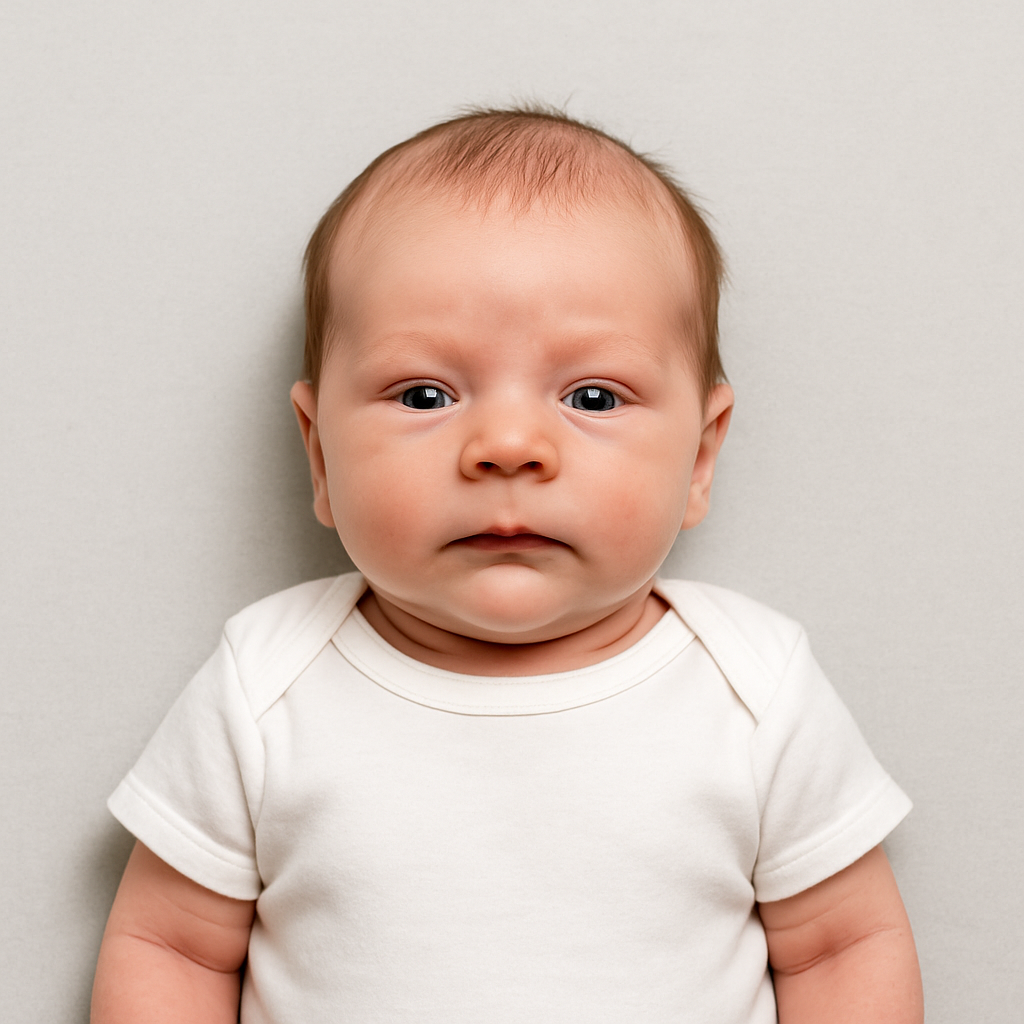
Getting a passport photo for a baby sounds simple. It isn’t.
New Zealand’s Department of Internal Affairs - DIA - has clear, non-negotiable rules for infant passport photos. And yes, they actually enforce them. One tiny shadow. One slightly tilted head. One soft toy sneaking into the frame. Rejected.
Parents often assume that because the subject is tiny, the standards will be flexible. Here’s the truth - they’re not. If anything, precision matters more. A passport photo is a biometric document, even for a newborn. That image feeds into facial recognition systems. It has to be clean, clear, and technically correct.
This guide breaks down the New Zealand infant passport photo standards DIA expects, without the jargon. Straight talk. Practical advice. No fluff.
Why DIA Is So Strict About Infant Passport Photos
A passport isn’t just a cute keepsake. It’s a government-issued identity document used worldwide. The photo must:
- Work with facial recognition technology
- Remain valid for years
- Clearly identify the child
- Meet international ICAO standards
If you ask most parents, they just want a quick snapshot. The DIA wants something far more precise. Think of it like fitting a key into a lock. If the grooves are slightly off, the door doesn’t open.
New Zealand Infant Passport Photo Size Requirements
Let’s start with the technical foundation - size and framing.
Official Photo Dimensions
- Photo must be 35mm wide x 45mm high
- Head height must measure between 31mm and 36mm
- Face must occupy 70 - 80% of the image
Sounds exact? It is. Even a few millimetres off can trigger rejection. That’s why cropping randomly on a phone rarely works.
And here’s something many overlook - resolution matters. The image must be sharp, not blurry, pixelated, or compressed beyond recognition.
Background Rules - Keep It Plain
The background must be:
- Plain light grey or light cream
- Free from patterns
- Without shadows
- Evenly lit
No blankets with texture. No off-white walls casting gradients. No creative nursery backdrops.
Why? Because background interference can distort facial detection software. The cleaner the contrast, the better the system performs.
Have you ever tried photographing a baby against a white sheet and noticed uneven lighting? That subtle shading might look harmless to the eye. To a digital scanner, it’s noise.
Infant Facial Expression and Position
This is where things get interesting.
Unlike adults, babies don’t follow instructions. The DIA understands that. There is some flexibility, but not unlimited freedom.
Expression Requirements
- Eyes open if possible
- Neutral expression preferred
- No exaggerated smiles
- Mouth closed if possible
Newborns under one year may have slightly relaxed standards. For example, it’s acceptable if their mouth is slightly open. However, the face must still be clearly visible.
No pacifiers. No bottles. No hands covering cheeks. No parent fingers holding the head in frame.
Yes - even one visible fingertip means rejection.
Head Position
The head must:
- Face directly toward the camera
- Not tilt left or right
- Not lean forward or backward
- Remain centered in the frame
Imagine drawing a straight vertical line through the middle of the baby’s nose. That’s the alignment the DIA expects.
Lighting Requirements for Infant Passport Photos
Lighting can make or break the image.
The photo must:
- Be evenly lit
- Contain no harsh shadows
- Show natural skin tones
- Avoid red-eye
Overhead lighting creates shadows under the chin. Flash too close creates glare. Side lighting produces dark patches.
The safest approach? Soft, diffused light facing the baby evenly. Think natural daylight near a window - but not direct sunlight.
Lighting should feel flat and neutral. Boring, honestly. And boring is perfect here.
Clothing Guidelines for Babies
Wardrobe choices matter more than most expect.
- No white clothing that blends into background
- No hats or headbands
- No decorative accessories
- No uniforms or costumes
Religious head coverings are allowed only if the full face remains visible.
Simple, darker clothing works best. A plain onesie often does the trick.
Can a Baby Lie Down for the Photo?
Yes - with conditions.
Infants can lie on their back on a plain surface, provided:
- The background meets colour requirements
- The camera is positioned directly above
- No shadows appear around the head
- No objects are visible
This method often works better than trying to hold a newborn upright. But precision is everything. The camera must be parallel to the baby’s face.
Common Reasons DIA Rejects Infant Passport Photos
Here’s where many applications stumble.
- Incorrect head size ratio
- Visible support - hands, cushions, car seats
- Uneven background colour
- Shadows behind head
- Blurry or low-resolution image
- Incorrect facial alignment
Even minor issues can delay processing. And delays with travel plans? Stressful doesn’t begin to cover it.
Digital vs Printed Infant Passport Photos
The DIA accepts both printed and digital submissions depending on how the application is made.
Digital Photo Requirements
- JPEG format
- File size between 250KB and 10MB
- Minimum 900 x 1200 pixels
Digital submissions must not be edited heavily. No smoothing filters. No background replacements that look artificial. Adjustments must remain minimal and realistic.
It’s tempting to fix small imperfections with editing apps. Resist that urge.
Should Parents Use a Professional Service?
Here’s a hot take - for infants, it’s often worth it.
Professional tools or specialised services understand cropping ratios, background calibration, and DIA compliance rules. They remove guesswork.
For those who prefer convenience at home, services like BabyPassportMaker.com help format images specifically for infant passport standards. Instead of trial and error, the process becomes structured and guided.
It’s a bit like assembling furniture with instructions versus guessing where the screws go. One path saves time. The other tests patience.
Step-by-Step Checklist Before Submitting
Before hitting upload or printing copies, review this quick checklist:
- Correct 35mm x 45mm size
- Head measures 31mm - 36mm
- Plain light background
- No shadows
- Neutral expression
- Eyes open if possible
- No visible support objects
- High resolution and sharp focus
Double-checking takes two minutes. Reapplying takes weeks.
How Long Is a New Zealand Infant Passport Valid?
Children under 16 receive passports valid for five years.
That means the photo must represent the child at the time of application, not predict future growth. The DIA doesn’t expect the image to match a five-year-old version perfectly. They simply require a clear and accurate likeness at submission.
Final Thoughts on Meeting DIA Infant Photo Standards
Photographing a baby for official documents feels oddly intense. All that precision for someone who can’t even sit upright yet.
But accuracy matters. Clean background. Proper proportions. Balanced lighting. No shortcuts.
When parents understand the New Zealand infant passport photo standards DIA enforces, the process becomes manageable instead of frustrating.
Take it seriously. Follow the measurements. Keep it simple.
And remember - boring passport photos are successful passport photos.