Passport Photo for Baby with Medical Conditions
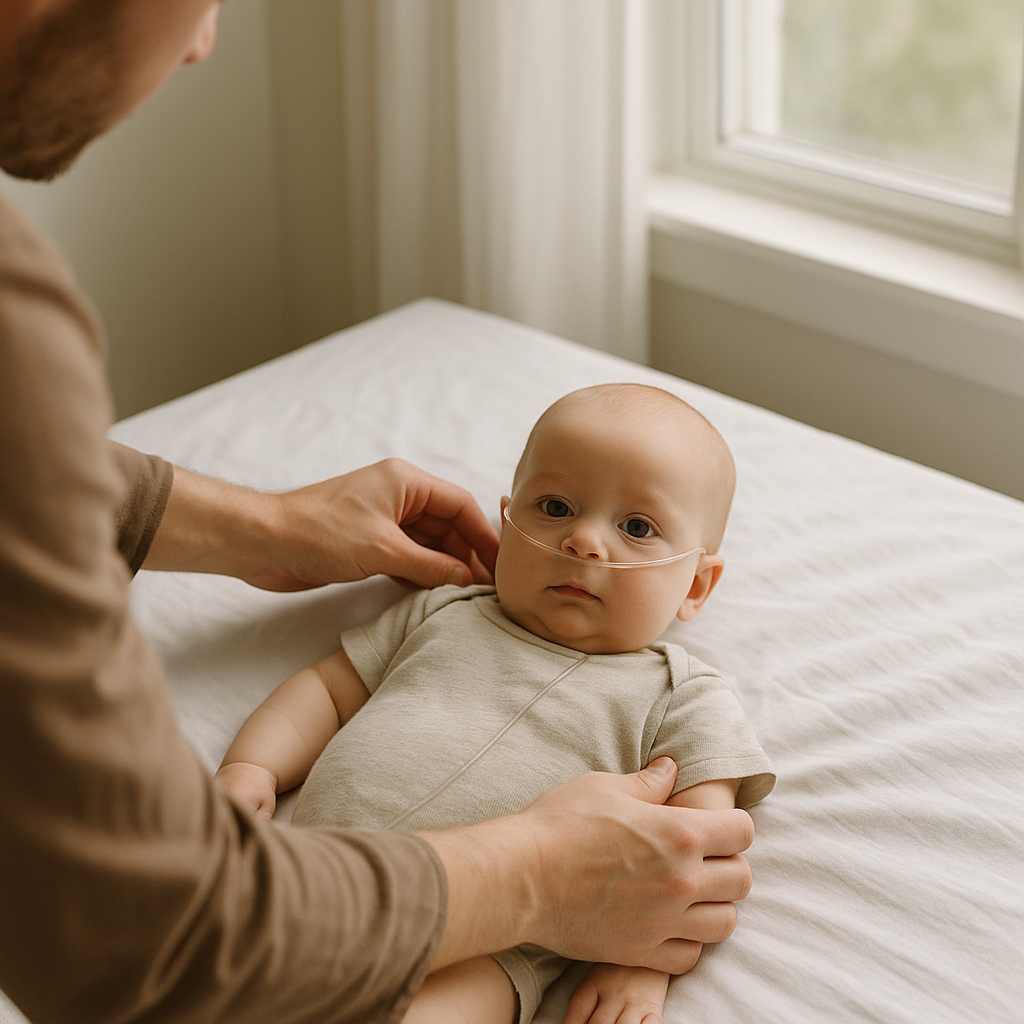
Getting a passport photo for a baby can feel like trying to take a decent selfie during a roller coaster ride. Now add medical equipment, mobility supports, or health sensitivities into the mix - and suddenly it’s not just tricky. It’s stressful. Parents of infants with medical conditions already carry more than enough on their shoulders. Appointments. Paperwork. Medications. Monitoring. So when passport photo requirements enter the scene with their rigid rules and zero flexibility vibe, anxiety naturally spikes. Here’s the honest truth: it’s absolutely possible to get an approved passport photo for a baby with medical conditions. But it requires understanding the rules, knowing where flexibility exists, and choosing the right tools. Let’s walk through it.
Understanding Passport Photo Rules for Babies
Passport agencies are strict. Not because they enjoy it - but because identification security matters. That said, there are specific allowances for infants and medical situations. For a standard baby passport photo, requirements typically include:
- White or off-white background
- No shadows
- Eyes open (as much as possible)
- No other person visible
- Neutral expression
- No hats or head coverings unless medically necessary
Sounds straightforward, right? But what happens when a baby relies on oxygen tubing? A feeding tube? A cranial helmet? Or cannot sit upright without support? That’s where nuance comes in.
Can Babies Wear Medical Devices in Passport Photos?
Short answer: sometimes yes. Longer answer: it depends on whether the item is medically necessary and whether it obscures key facial features. Here’s how most authorities look at it:
Allowed (With Conditions)
- Oxygen tubes that do not block the face
- Medical headwear required for treatment
- Clear medical tape
- Small hearing devices
Not Typically Allowed
- Bulky headgear covering facial structure
- Shadows caused by equipment
- Objects obstructing eyes, nose, or mouth
If you ask me, the system could be more compassionate. But there is some built-in flexibility. Documentation from a physician may be required if a medical device cannot be removed. Think of it like airport security. They need to see the full face clearly. If equipment doesn’t interfere with identification, approval is more likely.
Positioning a Baby Who Cannot Sit Upright
Here’s a scenario many parents face: the baby cannot hold their head up independently. Passport guidelines don’t expect miracles from infants. They allow photos taken while the baby is lying down. A few practical approaches:
- Lay the baby on a plain white sheet.
- Ensure lighting is even - no overhead shadows.
- Photograph from directly above.
- Remove visible hands or arms from the frame.
It sounds simple. In reality? It may take 20 attempts. Lighting is everything. Poor lighting can create shadows that look like facial distortion. Natural daylight near a window works beautifully - soft, even, forgiving.
What About Cranial Helmets or Corrective Headgear?
This is where things get sensitive. Cranial helmets are medically necessary for many infants. But they often change the shape of the head, and passport systems want a clear outline of natural facial structure. If the helmet can be safely removed for a brief period, that’s usually recommended. If removal isn’t possible, parents may need:
- A doctor’s note
- A signed statement explaining medical necessity
- Confirmation that the device cannot be removed temporarily
Every case is reviewed individually. It may feel frustrating. But preparation makes a huge difference.
Taking the Photo at Home - Is It Safe?
Honestly, for babies with medical needs, home is often the safest and calmest environment. Photography studios can be overwhelming - bright flashes, unfamiliar hands, unpredictable scheduling. For a medically sensitive infant, that’s a lot. Taking the passport photo at home gives parents control. Temperature, positioning, timing around medication or naps - all managed carefully. And here’s where technology helps. Services like BabyPassportMaker.com allow parents to upload a photo and have it formatted correctly according to official guidelines. The platform adjusts sizing, spacing, and background compliance. That means parents focus on the baby’s comfort. The technical formatting gets handled digitally. Less stress. Fewer retakes.
Tips for a Successful Baby Passport Photo with Medical Conditions
Let’s get practical.
1. Time It Right
Choose a moment when the baby is calm, fed, and comfortable. Not immediately after a procedure. Not during peak fussiness.
2. Keep Medical Equipment Clean and Minimal
If tubing must stay, ensure it’s positioned neatly and does not cast shadows. Small adjustments matter.
3. Use Natural Light
Stand near a window. Avoid direct sunlight. Soft daylight reduces harsh contrast.
4. Check the Eyes
For infants, eyes do not have to be perfectly wide open. But they should be visible if possible.
5. Take More Photos Than You Think You Need
Blinking happens. Tiny movements blur images. Digital storage is free - use it.
Common Mistakes That Lead to Rejection
No parent wants a rejection notice after navigating medical complexity. Here are common issues:
- Visible parent hands supporting the head
- Patterned blankets in background
- Shadows under medical tubing
- Glare from medical devices
- Incorrect photo dimensions
It’s often the technical details - not the medical condition itself - that cause problems. Think of passport compliance like baking. You can have the best ingredients in the world, but if the measurements are off, the cake collapses.
Do You Need a Doctor’s Letter?
Not always. But if a medical device cannot be removed and clearly affects facial visibility, a signed statement from a licensed physician is strongly recommended. The letter should confirm:
- The medical necessity of the device
- That removal is not advised
- The baby’s identity remains clearly visible
This extra step can prevent delays.
Travel Planning with a Medically Complex Infant
Let’s zoom out for a second. Why are parents seeking a passport in the first place? Family support abroad. Specialized treatment. Relocation. Military assignment. Emergency travel. The passport photo is just one square inch of a much bigger emotional landscape. It represents preparation. Protection. Possibility. And while agencies focus on pixels and proportions, parents focus on something deeper - keeping their child safe while navigating systems that were not designed with complexity in mind. That’s why choosing tools that reduce friction matters.
Why Digital Passport Photo Services Make Sense
Here’s a hot take: traditional photo booths are outdated for medically sensitive babies. They’re rigid. Impersonal. Often unaware of special circumstances. Online formatting services provide:
- Precise cropping to official dimensions
- Background correction
- Compliance checks
- Convenience from home
Parents can retake photos as needed without additional cost or travel strain. And in situations involving oxygen tanks, feeding schedules, or fragile immune systems, avoiding unnecessary outings isn’t just convenient - it’s wise.
Final Thoughts on Passport Photo for Baby with Medical Conditions
Getting an approved passport photo for a baby with medical conditions requires patience. Attention to detail. A bit of strategy. But it is entirely achievable. The key is clarity - clear face, clear lighting, clear documentation if needed. And maybe even clearer priorities. Because at the end of the day, the goal isn’t a perfect photo. It’s safe travel, access to opportunity, and the ability to move through the world without extra barriers. Parents managing medical complexity already demonstrate extraordinary resilience. A passport photo is just another checkpoint. Not a roadblock. Take a deep breath. Set up the white sheet. Adjust the light. Capture the moment. You’ve handled far bigger things than this.